
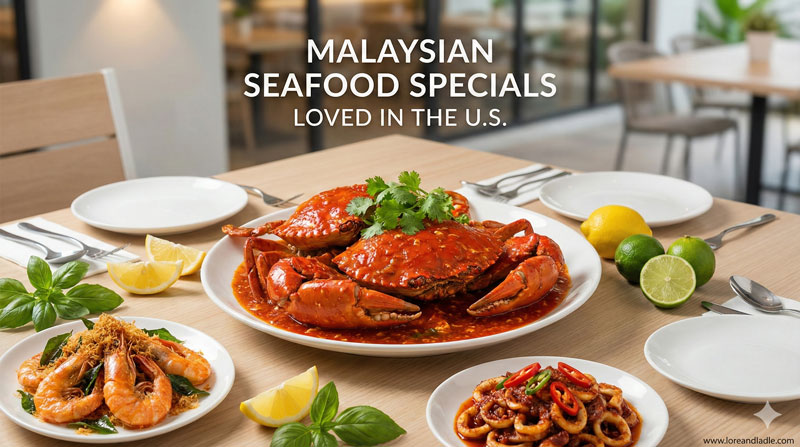
Introduction: A Delicious Celebration of Home Cooking
This post invites you to explore Better-Than-Takeout Sambal Squid You Can Make in Your Own Kitchen. The dish shines because it blends bright chili heat, briny seafood, and quick, confident technique. It sits at the heart of everyday dining, turning a simple meal into a small celebration of flavor. The appeal lies in accessibility, freshness, and the joy of cooking with ingredients that sing of coastal markets and home kitchens. By focusing on its cultural value and culinary significance, we see how this dish becomes a bridge between tradition and modern home cooking.
The Soul of the Dish: Sambal and Squid
Sambal is the living flame of Southeast Asian cooking. It joins chili with garlic, shallot, lime, and sometimes shrimp paste to build aroma and brightness. Squid brings a clean, oceanic bite that accepts heat without losing tenderness. Together, they create a balance that is both comforting and exciting. The combination embodies a culinary pattern found in many coastal cuisines: fast, high-heat cooking that preserves the freshness of seafood while layering depth with a bold paste. This harmony between sea and fire is why the dish feels both familiar and revelatory in a home kitchen.
Food Culture in Motion: How It Fits Everyday Meals
This dish fits easily into weeknight dinners and Weekend Gatherings alike. It pairs beautifully with steaming jasmine rice, leafy greens, and crisp cucumber slices. The act of cooking—measuring, heating, tasting, and adjusting—mirrors the care found in family meals. In many kitchens, sambal is a doorway to shared flavors: a pot of rice, a plate of squid, and the smile that comes from a dish made with attention. The dish’s simplicity invites cooks of all levels to participate, learn, and contribute their own touches, turning a quick supper into a small ritual of togetherness.
Technique Talk: Crafting Tender Squid with Fiery Sambal
Quality comes from balance and timing. Score the squid lightly to allow the heat to penetrate and to help it stay tender during a brief sear. Make the sambal paste with fresh chilies, garlic, and shallots; toast spices briefly to awaken their aroma. Stir-fry quickly over high heat so the squid cooks fast and remains juicy. Finish with a splash of lime juice to brighten the finish and a pinch of salt to harmonize the flavors. The technique is straightforward, yet it honors the dish’s lively character and keeps the texture lively and appealing.
Regional Voices: Variations Across Indonesia, Malaysia, and Singapore
Sambal squid appears in several near-by culinary cultures, each with its own signature note. In Indonesia, you might encounter a bold sambal belacan variant, where fermented shrimp paste adds depth and a hint of savory funk. Malaysia often frames it with a touch of tamarind sweetness or palm sugar, creating a gentle contrast to the chili heat. In Singapore, a lighter palm oil finish and citrus brightness can make the dish feel crisp and city-market fresh. Across these places, squid acts as a flexible canvas, accepting the brightness of the sambal while retaining a clean bite. The result is a family of dishes that share core ideas—bright heat, seafood freshness, and quick execution—yet each carries a distinct local voice.
The Cultural Value of Seafood and Sambal
Seafood is a natural centerpiece in coastal food cultures, where the day’s catch becomes a focal point for meals. Sambal, with its bright oils, aromatics, and peppery heat, serves as a unifying flavor. It can be mild or fiery, depending on preference, but it always invites conversation and shared tasting. This dish demonstrates how a simple paste can carry memory, skill, and preference, turning everyday cooking into an act of care. It also highlights how home cooks adapt a market staple into a personal signature—adjusting heat, acidity, and salt to suit family tastes, and preserving a sense of place in a busy kitchen.
Serving Ideas and Presentation
Present the dish with a mound of steaming rice and a side of crisp vegetables or pickles. A bright squeeze of lime lightens the heat and enhances the dish’s freshness. Garnish with fried shallots for texture and a whisper of sweetness. A small fresh herb sprig, such as cilantro or Thai basil, can add a final note of green brightness. The plate becomes a small stage for color, aroma, and balance, inviting guests to savor the layers one at a time and then together.
A Quick Home Guide: Getting It Right at Home
- Choose fresh squid with intact tentacles for flavor and texture.
- Use a bright, fragrant sambal paste as the flavor backbone.
- Keep the cooking pan very hot and cook the squid fast to preserve tenderness.
- Taste and adjust with lime, sugar, and salt to reach a harmonious finish.
- Serve immediately for the best aroma and texture.
This approach keeps the dish faithful to its roots while making it easy to enjoy in a modern kitchen. The method honors tradition by respecting the balance of heat, sourness, and savoriness that defines sambal dishes, while embracing the convenience and comforts of home cooking.
Why This Dish Matters in the Food World
Better-Than-Takeout Sambal Squid You Can Make in Your Own Kitchen stands out because it delivers a bright, expressive flavor profile with minimal fuss. It demonstrates how a few elements—seafood, a lively chili paste, and quick technique—can illuminate a culture’s everyday cooking. The dish invites cooks to explore ingredients with curiosity and to value the connection between market finds and home meals. In doing so, it becomes more than a meal; it becomes a small celebration of skill, tradition, and the joy of cooking at Home.
Conclusion: A Dish That Brings Flavor Home
This dish shows how culture, technique, and taste come together in a single plate. It honors coastal flavors, celebrates the craft of sambal, and makes high-quality home cooking accessible to everyone. By bringing the vibrancy of street stalls and market flavors into the home kitchen, Better-Than-Takeout Sambal Squid You Can Make in Your Own Kitchen becomes a doorway to delicious everyday culture. It is inviting, respectful, and a true testament to the beauty of cooking with care.