
Introduction: The Beauty of a Budget-Friendly, Restaurant-Quality Vegan Nasi Lemak
This post introduces a dish that blends tradition with modern plant-based cooking: Restaurant-Quality Vegan Nasi Lemak on a Budget. It stands as a celebration of flavor, craft, and shared meals. The dish invites cooks to honor time-tested techniques while making ingredients sing with fresh, everyday Pantry Staples. Its value lies not just in taste, but in how it brings people together around a table.
The Heart of the Dish: Fragrant Coconut Rice
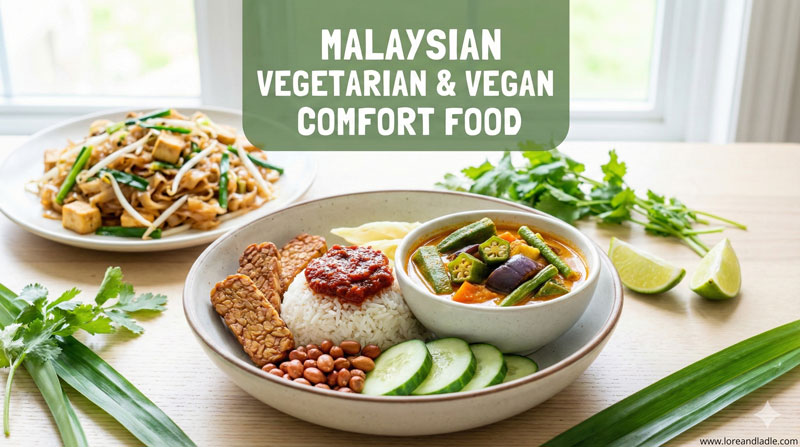
Coconut rice forms the warm center of nasi lemak. In this vegan version, the rice cooks with coconut milk and a pinch of salt, allowing the aroma to rise like a gentle invitation. A few pandan leaves or a hint of lemongrass add a subtle, grassy note that whispers of markets and morning kitchens. The result is a light, fluffy grain that carries other flavors with ease. This rice anchors the plate and speaks to culinary heritage through simple technique and careful timing.
The Spice of Life: Sambal as a Guiding Flame
Sambal is the bright thread that ties the dish together. A good sambal blends chili, garlic, shallots, and a touch of sweetness with acidity that brightens the palate. In a vegan version, shrimp paste is replaced with plant-based seasonings that deepen the depth without overpowering the heat. The balance matters: too bold, and the rice can be overwhelmed; too soft, and the dish loses its spark. When done well, the sambal elevates every bite, reminding us how one sauce can define a plate’s personality.
The Vegan Twist: How Plant-Based Elements Shine
Vegan nasi lemak thrives on thoughtful substitutions that preserve texture and umami. For protein, pan-fried tempeh or crisp tofu adds satisfying bite without heaviness. Crunch comes from roasted peanuts, while cucumber slices bring cool contrast. A splash of toasted sesame oil or a squeeze of lime can lift flavors without creating fatigue. The beauty of the vegan version lies in its adaptability: you can adjust textures, levels of spice, and aroma to match personal and regional tastes, all while staying true to the dish’s signature harmony.
Cultural Value: A Dish That Bridges Moments and Tastes
Nasi lemak is a beloved morning staple in its home regions, inviting people to begin the day with warmth and comfort. The vegan adaptation keeps that spirit intact. It honors a culture of balance—between sweet and spicy, rich and light, fragrant and clean. The dish also demonstrates how traditional flavors can evolve with care, making room for plant-based cooking without sacrificing identity. In homes, markets, and friendly eateries, the dish acts as a shared language: it speaks of care, craft, and a welcoming table. Its cultural value lies in its ability to connect generations through taste, memory, and everyday hospitality.
The Art of Assembly: How Each Component Contributes a Story
The assembly of nasi lemak mirrors the way culture composes itself: each element has a purpose, and together they create a richer whole. Start with fragrant coconut rice as the base. Layer with vibrant sambal for heat and brightness. Add plant-based protein for texture, a cool slice of cucumber for balance, and a handful of nuts for crunch. The order matters, but the heart remains the same: harmony. This process teaches mindful cooking—how patience, timing, and care transform simple ingredients into something memorable.
Culinary Significance: Techniques, Sourcing, and Respect for Ingredients
Culinarily, vegan nasi lemak on a budget highlights balance, aroma, and technique. Fresh aromatics—garlic, shallots, chili—carry flavor efficiently. Coconut milk provides richness without heaviness, while pandan leaves or citrus zest add a distinctive, luminous note. The budget-friendly approach emphasizes smart sourcing: dry goods stored well, seasonal produce, and versatile substitutes that maintain integrity. The result is a dish that feels refined, even when made with everyday pantry items. This significance lies in demonstrating that thoughtful technique can elevate humble ingredients into a plate with restaurant polish.
Practical Tips for Budget-Friendly Excellence
- Plan the base: cook coconut rice fresh but keep it light on oil to preserve brightness.
- Use pantry-friendly sambal: a quick blend of chili, garlic, shallots, a touch of sugar, and lime juice can deliver big flavor.
- Choose versatile proteins: tempeh or tofu can be marinated briefly and fried for crisp texture.
- Add texture with extras: roasted peanuts and cucumber slices bring contrast and freshness.
- Focus on freshness last: a quick squeeze of lime or a tiny drizzle of sesame oil at the end elevates the dish.
These tips help you achieve restaurant-quality results without overspending, keeping the dish approachable for everyday cooks.
In Practice: Serving Ideas and Suitable Settings
Serve this vegan nasi lemak on a bright plate to highlight its colors. Pair with a simple cucumber salad to echo the cool note, and offer a small portion of sambal on the side for those who want more heat. This dish fits breakfast tables, casual lunches, and light dinners. Its versatility makes it a reliable showpiece for Family meals, small gatherings, or a cozy night in. The inviting aroma and balanced flavors invite conversation and appreciation for plant-based cooking done well.
Conclusion: A Gentle, Rich Tradition on a Budget
Restaurant-Quality Vegan Nasi Lemak on a Budget showcases how tradition and innovation can dance together. It honors cultural favorites while embracing plant-based methods and sensible shopping. The dish remains rooted in a history of shared meals, yet it travels forward as a sustainable, flavorful option for modern cooks. By respecting the components, balancing flavors, and using thoughtful technique, you reveal the dish’s quiet beauty and culinary significance—proof that food can be both comforting and forward-thinking, both affordable and refined.