
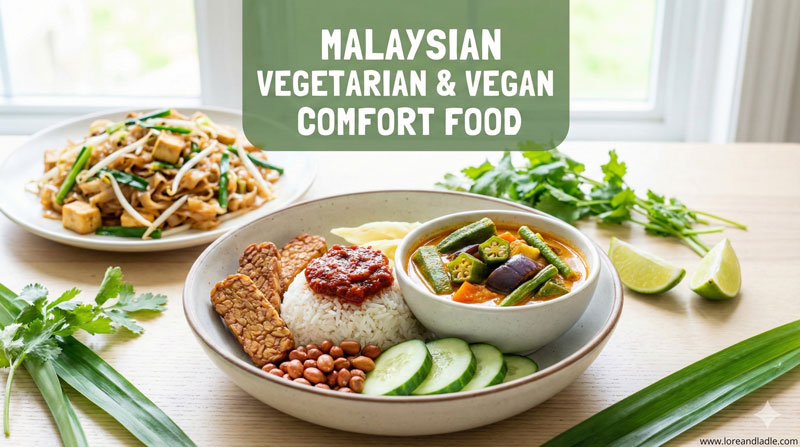
Vegan Char Kway Teow: The Malaysian Comfort Food You Need to Try Next is a dish that feels like a warm welcome from a bustling street market. It speaks to the heart of Malaysian cooking, where quick-fire technique, fresh ingredients, and shared meals create a sense of belonging. This vegan version keeps the beloved flavors alive while inviting plant-based eaters to savor the same comforting experience. The result is a bowl that feels both familiar and thoughtfully modern.
Why Vegan Char Kway Teow Shines
Vegan Char Kway Teow shines because it honors tradition without compromising flavor or texture. It reveals how a simple pairing of flat rice noodles and a bright, savory sauce can carry a world of aroma. The dish is generous in spirit, with each bite inviting you to linger and share. The vegan approach showcases creativity in the kitchen, proving that plant-based ingredients can deliver depth, warmth, and a satisfying bite.
A Quick Taste of Malaysian Comfort
This dish is a staple of everyday meals. It grants a sense of home, whether eaten after a long day or between errands. The flavors feel bright and balanced: a hint of sweetness, a savory edge, and a touch of smokiness. It’s comfort food in its purest form, designed for quick cooking and easy enjoyment. In every mouthful, you sense the careful layering that makes Malaysian flavors inviting to many palates.
The Craft of Wok Hei in a Vegan Version
Wok hei, the breath of the wok, is central to Char Kway Teow. A blazing-hot pan sears the noodles quickly, creating a smoky, caramelized aroma. In the vegan version, miso or mushroom-based seasonings stand in for animal-derived depth, while soy sauces deliver a robust backbone. The technique remains a celebration of speed and precision, with each stir releasing a new wave of fragrance that draws you in.
Core Ingredients and Their Significance
- Flat rice noodles: The canvas of the dish, tender yet resilient.
- Garlic and shallots: Provide a warm, aromatic base.
- Tofu or mushrooms: Offer protein and texture with savoriness.
- Bean sprouts and Chinese chives: Add crunch and a fresh, green lift.
- Dark and light soy sauces, a touch of vegan-friendly oyster sauce: Build savory complexity and color.
- A splash of lime or a hint of chili: Finish with brightness and a gentle kick.
Each ingredient plays a role in the story of Malaysian cooking: quick technique, bold flavors, and a balanced plate that delights the senses.
Techniques That Elevate the Dish
Timing is everything. Prepped mise en place lets cooks strike fast and keep noodles from clumping. The wok is heated until it almost pings, then ingredients are added in a precise order to preserve texture. Stir-frying produces a glossy surface and a fragrant aroma. The vegan sauce is applied in stages to build layers, never overwhelming the delicate noodle structure. The result is a dish that feels lively and well-composed.
The Social Side of Char Kway Teow
Char Kway Teow is more than food; it’s a social rhythm. It is shared among friends and family at casual gatherings and late-night stalls. The vegan version keeps that social warmth intact, inviting conversation about ingredients and textures. It’s common to see a table filled with laughter, curious bites, and a collective appreciation for well-balanced, comforting flavors. In this way, the dish strengthens a sense of community around food.
How to Enjoy It at Home
To recreate the experience at Home, start with a hot skillet or wok and organize ingredients in advance. Use a combination of noodles, tofu, and mushrooms for a satisfying bite. Keep sauces separate until the final moment to preserve brightness. Garnish with bean sprouts and chives for color and crunch. Serve with a squeeze of lime and a chili sauce on the side for those who like a lively finish. The goal is a quick, confident fry that preserves texture and aroma.
A Plant-Based Take That Keeps Tradition Alive
Choosing vegan ingredients does not erase tradition; it invites new cooks to participate in the dish’s ongoing story. Plant-based options honor the same techniques, rhythms, and flavors that have long defined Malaysian cooking. By adapting the protein and keeping core flavors intact, this version demonstrates respect for the dish’s heritage while inviting broader enjoyment and sustainable choices.
In Malaysia’s Culinary Landscape
Vegan Char Kway Teow sits proudly in Malaysia’s vibrant food culture. It reflects the country’s love of bold taste, efficient cooking, and shared meals. The dish embodies a practical elegance: quick to prepare, deeply flavorful, and endlessly adaptable. It invites both locals and visitors to explore a comforting staple with a contemporary, plant-forward perspective.
If you’re curious about Malaysian comfort food, this vegan take on Char Kway Teow offers a welcoming entry point. It celebrates the harmony of textures, the warmth of aroma, and the joy of eating together. Taste the balance, savor the smoke, and enjoy a dish that is as inviting as it is meaningful.