
Introduction
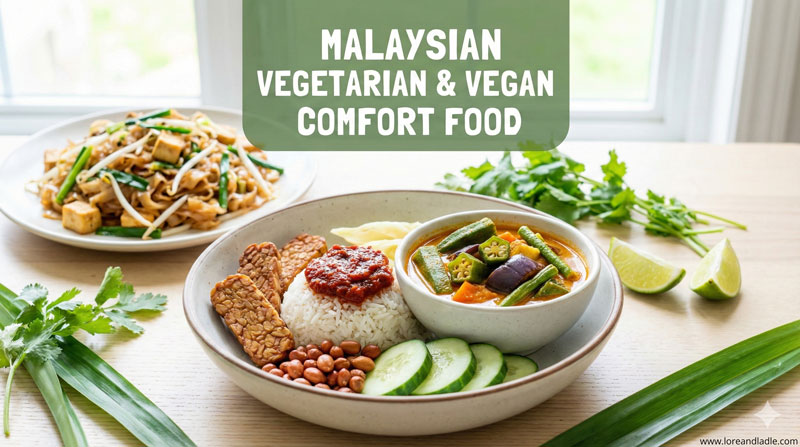
Step-by-step vegan Char Kway Teow offers a window into Malaysian home cooking. This dish celebrates quick hands, bright flavors, and the magic of a hot wok. The vegan version keeps the essence intact while inviting plant-based cooks to join in. It invites you to explore texture, aroma, and the communal joy of a shared pan.
Cultural significance and culinary value
Char Kway Teow is a staple in many Malaysian kitchens and markets. It embodies balance: savory depth from soy sauces, a smoky lift from high heat, and a bright finish from fresh greens. The dish is a nod to everyday meals that nourish family and friends after a busy day. Its technique—fast tossing, precise timing, and careful layering of flavors—highlights skill and hospitality. By adapting it to vegan ingredients, cooks honor tradition while embracing mindful choices that respect both flavor and the ingredients we love.
Vegan adaptation: honoring tradition
A vegan version respects the familiar taste and texture. It relies on flavorful sauces, toasted aromatics, and a lively wok to create depth. Plant-based proteins, mushrooms, and crisp vegetables replace animal ingredients without sacrificing character. The result remains true to the spirit of a quick, satisfying street-inspired favorite. For first-time home cooks, this approach keeps things approachable and delicious, and it shows how flexible Malaysian cuisine can be.
Key ingredients and their roles
- Flat rice noodles (kway teow): the soft, wide noodles that soak up sauce and carry the other components.
- Garlic and fresh chilies: provide aroma and a gentle heat that wake the dish.
- Tofu and mushrooms: offer protein and texture with a meaty bite.
- Bean sprouts and Chinese chives: add crunch and a fresh, bright note.
- Sauces: light soy sauce for salt and savoriness, dark soy sauce for color and depth, and vegetarian oyster sauce or mushroom sauce for umami.
- Sesame oil and a pinch of sugar: tie the flavors together and finish with shine.
- Optional lime or scallions: offer a fresh finish if you like a brief tang.
Step-by-step guide for first-time Malaysian home cooks
Step 1: Prep all ingredients before you heat the pan. Slice tofu into small cubes, press out excess moisture, and pat dry. Soak and loosen noodles if needed. Mince garlic and slice chilies, then rinse bean sprouts and chives.
Step 2: Heat a wide wok over high heat until it is shimmering and lightly smoking. A hot pan is essential to achieve the signature aroma and color.
Step 3: Add a small splash of oil. Sauté garlic and chili quickly until fragrant, about 15–20 seconds. Do not burn them; you want aroma, not bitterness.
Step 4: Toss in tofu cubes and mushrooms. Stir-fry briefly to develop a light sear and to release their flavors.
Step 5: Add the noodles. Drizzle in light soy sauce and a touch of dark soy sauce for color. Toss to coat evenly and prevent clumping.
Step 6: Stir in vegetarian oyster sauce (or mushroom sauce) and a pinch of sugar. Keep the noodles moving so the sauces glaze the ingredients rather than pool.
Step 7: Fold in bean sprouts and chopped Chinese chives. Give a quick toss to keep the sprouts crisp and the greens bright.
Step 8: Finish with a final toss. Check the balance of salt and sweetness. If needed, adjust with a splash of light soy or a few drops of sesame oil for aroma.
Step 9: Plate immediately. A light squeeze of lime or a scattering of scallions can brighten the finish if you like.
Wok technique and the art of wok hei
Wok hei, the breath of the wok, comes from heat, timing, and fast motion. Keep the ingredients moving to prevent sticking, reduce moisture, and deepen the caramelization. A hot pan and bold, brief motions yield that distinctive, smoky aroma that defines Char Kway Teow. Practice helps you refine the exact moment when the noodles gain color and the ingredients hit the perfect balance.
Serving and pairing with intention
Serve hot, straight from the wok to the plate. A sprinkle of fresh herbs or a squeeze of lime adds brightness. This dish pairs well with cucumber salad or crisp greens for contrast. Sharing a plate encourages conversation about texture, aroma, and the joy of cooking with simple, seasonal ingredients.
A closing note: welcoming home cooks
This Step-by-Step Vegan Char Kway Teow invites first-time Malaysian home cooks to explore a beloved dish with fresh eyes. It highlights cultural value through technique, flavor balance, and communal enjoyment. By embracing plant-based ingredients, you honor tradition while celebrating the beauty of thoughtful, accessible cooking at Home. May your kitchen be filled with sizzling sound, inviting aroma, and the warmth of a meal made with care.