
Vegan Char Kway Teow That’s Winning Over Foodies Across the U.S.
Vegan Char Kway Teow is a bright, bold stir-fry that travels well from night markets to home kitchens. The dish adapts a beloved Southeast Asian noodle classic with plant-based ingredients. Bright garlic, soy, and chili mingle with smoky wok flavors. Flat rice noodles soak up all the flavors, while mushrooms and tofu add satisfying bite. In its vegan form, the dish shines without animal products yet keeps the soul of the original. Across the United States, food lovers discover a dish that feels both familiar and new. It invites sharing and conversation around the table. The result is a meal that satisfies cravings for depth, speed, and comfort in one vibrant plate. In short, it is a celebration of plant-powered cooking that respects tradition while inviting modern creativity.
The Sizzle of the Wok: Techniques That Elevate Flavor
The aroma begins with a hot wok and quick tossing. This technique creates a subtle wok hei—the breath of the wok—that you smell long before you taste. Chefs heat the pan until it sings, then add garlic, chilies, and sauces. The noodles go in fast, then rest briefly to form crisp edges. A little sear on the noodles adds a surprising depth, almost a caramelized note, that coats every strand. The vegan ingredients drink in the heat, picking up color and flavor without losing their bright character. For best results, use a carbon-steel wok. It heats quickly and distributes heat evenly, letting you control the moment of the stir and the moment of the rest. The technique is simple in theory, but it rewards attention to timing and temperature.
Textures That Tell a Story
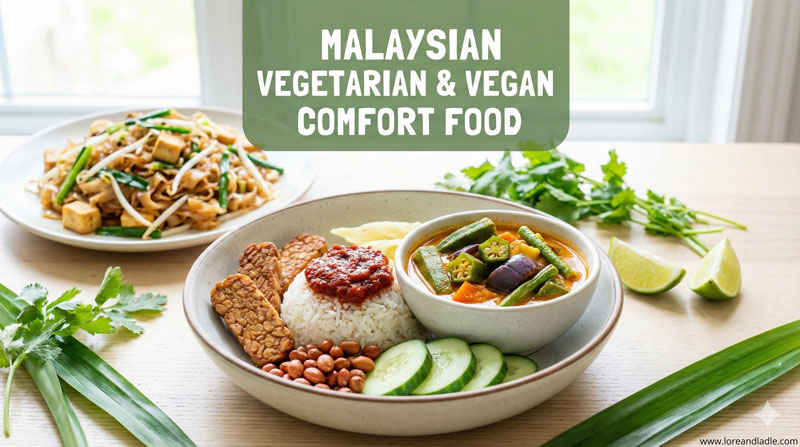
Texture is the heart of Char Kway Teow. Soft, glossy noodles mingle with crunchy bean sprouts and fresh green onions. Tofu provides a gentle chew and a satisfying substance, while mushrooms offer an earthy savor that echoes the dish’s savory backbone. Thin slices of pepper or carrot can add a whisper of sweetness, balancing the saltiness of soy and the heat of chilies. A squeeze of lime introduces brightness, and a sprinkle of chopped peanuts brings a delicate crunch. This balance—between tender noodles, crisp vegetables, and chewy tofu—creates a harmony that feels both comforting and exciting with every bite. The result is a dish that feels complete from first bite to last.
Vegan Adaptations that Shine
To keep Char Kway Teow vegan, cooks replace eggs with extra tofu or with plant-based proteins that mimic the bite. A mushroom-based “oyster sauce” or a vegetarian oyster sauce provides a rich, umami boost without animal products. Dark soy sauce adds color and depth, while light soy offers brightness and balance. A touch of tamarind or a splash of lime brightens the dish without overpowering the savory core. For texture and variety, some cooks add water chestnuts for crunch or bamboo shoots for a clean snap. Each substitution highlights a different facet of flavor, proving that vegan versions can be just as expressive as their traditional counterparts.
Cultural Value in Modern Kitchens
This dish embodies a bridge between tradition and contemporary plant-based cooking. It celebrates quick, expressive meals that fit busy days while honoring the artistry of street-food technique. The recipe invites home cooks to bring a moment of shared culture into their kitchens. The scent, the colors, and the confident sizzle create a sense of arrival and welcome at the table. It is a reminder that vegetarian and vegan cooking can offer robust flavors, satisfying textures, and social warmth. In that spirit, Vegan Char Kway Teow becomes more than a recipe; it becomes a small ritual of care, flavor, and community.
The U.S. Food Scene Embraces a Vegan Classic
Across many American cities, vegan and plant-based restaurants feature Char Kway Teow on menus, drawing in diners who seek bold, satisfying meals. Home cooks adopt the recipe with pride, remixing it with locally available produce and pantry staples. Food lovers praise its balance of smoky depth, bright accents, and hearty body. The dish serves as a cheerful entry point to Southeast Asian-inspired cooking, inviting curious eaters to explore a broader range of flavors. In classrooms and cooking events, chefs highlight the technique and the playful potential of plant-based ingredients. The result is a growing appreciation for how traditional flavors can thrive in vegan form.
Pairings, Serving, and Mindful Enjoyment
Serve the dish hot for maximum aroma and texture. Offer lime wedges and fresh chilies on the side so guests can tailor the heat and brightness. A light sprinkle of crushed peanuts adds a final crunch. Fresh cucumber or lightly pickled vegetables provide a refreshing contrast. A green-tea or jasmine tea pairs nicely, cleansing the palate between bites. If you wish, a small spoonful of chili oil or a mild hot sauce can heighten the excitement for spice lovers. These simple additions help readers recreate the full sensory experience at Home.
Why This Dish Resonates
Vegan Char Kway Teow captures the beauty of plant-based cooking without sacrificing character. It honors regional flavors while embracing modern dietary choices. The dish demonstrates how technique, texture, and balance create a memorable dining moment. It invites people to savor a comforting, flavorful meal with speed and ease. In the hands of thoughtful cooks, it becomes a versatile canvas for creativity—and a welcome staple in many kitchens across the United States. The result is clear: a plant-powered classic that shines, respects its roots, and warmly invites everyone to the table.