
Introduction
This post invites you to explore Restaurant-Quality Vegan Char Kway Teow on a Budget. It centers on cultural value and culinary significance, celebrating how a plant-based version can honor tradition while staying affordable. The dish becomes a bridge between technique, community, and everyday eating. You will find a thoughtful look at flavor, texture, and the joy of cooking with purpose.
The essence of vegan Char Kway Teow
Char Kway Teow is known for its fast, precise cooking and its bright, savory profile. In a vegan version, the core elements remain: wide rice noodles, garlic and shallots, a trio of soy sauces for depth and color, and a quick, high-heat wok toss. Plant-based proteins like tofu or mushrooms stand in for eggs, offering satisfying bite and umami. Crisp bean sprouts and leafy greens add freshness, while a touch of chili provides warmth. The result is a dish that speaks to memory and craft without relying on animal products. The beauty lies in how simple staples can become deeply inviting when handled with care.
The magic of wok hei and technique
The signature allure of this dish comes from wok hei—the smoky, charred aroma that hints at intense heat and rapid motion. Achieving it on a home stove is a mindful craft. First, preheat the wok until it nearly smokes. Then use a small amount of high-smoke-point oil. Add garlic and shallots quickly, letting them release fragrance without burning. Toss noodles with a swift, confident motion, so they cling to the pan and develop a light caramel color. Build the sauce in stages: a splash of soy for salt and depth, a hint of sweetness, and a final toss to coat every strand. The result feels restaurant-like because timing, temperature, and motion align in harmony.
Budget-friendly ingredients and substitutions
A budget-friendly approach keeps the dish inclusive and vibrant. Key components include flat rice noodles, garlic, shallots, spring onions, bean sprouts, choy sum or bok choy, mushrooms (shiitake or button), and tofu or tempeh. Sauces play a central role: light soy for savor, dark soy for color and body, a touch of vegan oyster sauce or miso for depth, and a dash of chili for heat. Tips to stretch value:
– Buy noodles in bulk and store them dry until use.
– Use versatile greens like bok choy that wilt quickly.
– Choose mushrooms that offer umami and texture without breaking the budget.
– Press tofu to remove moisture for a firmer bite and better browning.
– Add a squeeze of lime or a splash of vinegar at the end for brightness.
With smart substitutions, you keep the dish lively and affordable while preserving its character.
Cultural value and shared experience
This vegan adaptation honors a cooking tradition that thrives in bustling kitchens and cozy home stoves alike. It demonstrates how taste, technique, and seasonality come together through daily practice. Sharing a plate of Char Kway Teow invites conversation about flavor balance, textures, and timing. The dish becomes a small ritual—quick to prepare, comforting to eat, and accessible to cooks with varying budgets. It highlights the value of skilled preparation and thoughtful ingredients, reminding us that great food can emerge from simple steps executed with care.
The sensory tapestry: aroma, color, and texture
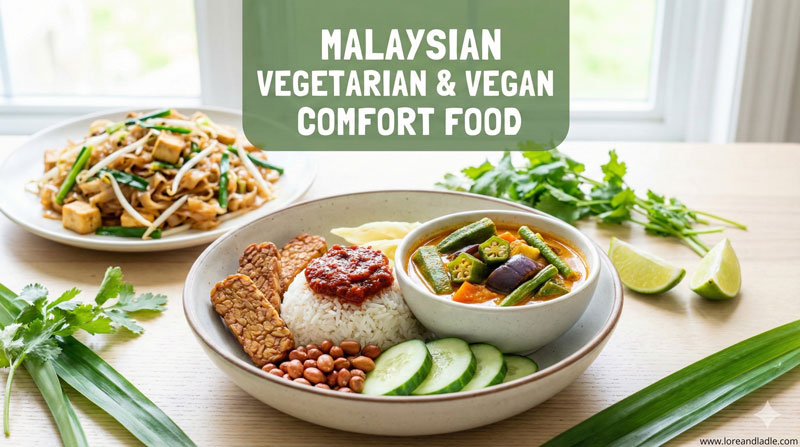
The sensory core of this dish is rich and inviting. The aroma of garlic and soy-laced noodles rises first, followed by a smoky note from the hot wok. The color is glossy and deep, with caramel sheen on the noodles and a hint of green from the greens. Texturally, you get chew from the noodles, crispness from lightly charred edges, and a refreshing snap from sprouts and greens. Each bite blends salty, slightly sweet, and umami Flavors in a round, balanced finish. This harmony reflects an enduring love of flavor layering in the cuisine.
Plating, finishing touches, and serving
Serve this dish hot on simple plates that allow the noodles’ shine to stand out. A light scatter of chopped scallions adds color and aroma. For a final lift, offer a small bowl of chili oil or sliced chilies on the side. A splash of lime juice at the table brightens the plate and invites personal adjustment. The presentation emphasizes clarity and simplicity, keeping the focus on texture, aroma, and color rather than complexity.
How to savor and grow the experience
To deepen appreciation, consider pairing this dish with conversations about technique and ingredient choices. Reflect on how plant-based substitutions can preserve tradition while offering new textures and flavors. Invite friends or family to recreate the dish, sharing tips on timing and heat management. In doing so, you honor the craft and recognize the joy of cooking that welcomes everyone to the table.
Conclusion
Restaurant-Quality Vegan Char Kway Teow on a Budget celebrates flavor, skill, and community. It shows how a well-executed dish can bridge everyday cooking with the artistry of professional kitchens. By embracing plant-based ingredients, mastering wok technique, and choosing thoughtful, affordable components, we honor a beloved staple while inviting it to belong to more kitchens and tables. This dish stands as a testament to culinary ingenuity, cultural appreciation, and the generous spirit of sharing good food.