
Cendol Recipe That U.S. Food Lovers Are Craving Right Now
Cendol is more than a dessert. It is a bright memory of warm days, shared bowls, and careful craftsmanship. This dish speaks softly about the love of fresh flavors, simple ingredients, and the ways a city can come alive with the aroma of pandan and coconut. For U.S. food lovers, it offers a welcoming invitation to explore Southeast Asian sweetness, balance, and texture.
What Is Cendol? An Emerald Dessert
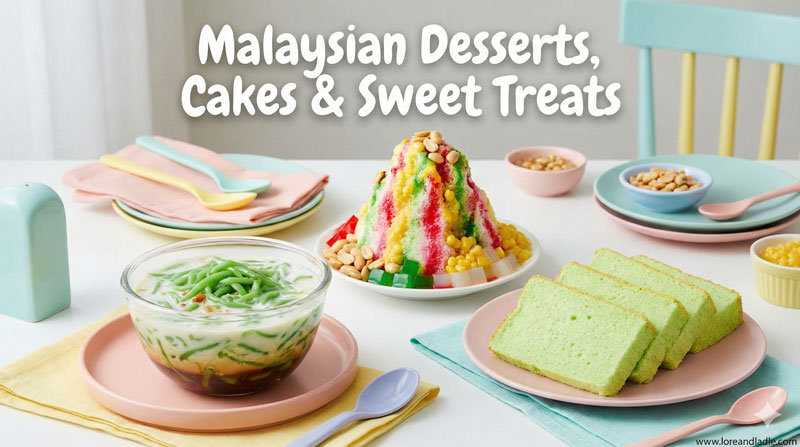
Cendol centers on a jade-green ribbon of jelly, often called cendol. The jelly is made from rice flour dyed with pandan, a fragrant tropical leaf. The strands drift through a bed of shaved ice and are saturated with creamy coconut milk and a palm sugar syrup. The result is a dish that feels both refreshing and comforting. The green color is iconic, a sign of pandan’s bright aroma. Each bite delivers a gentle chew, a cool veil of coconut richness, and a silky sweetness from the syrup. The ingredients are few, but careful preparation makes them sing together.
Cultural Value: A Humble Performance of Flavor and Community
Cendol shines in markets, street stalls, and family kitchens. It is a social dessert, shared in large bowls or cups that invite conversation and eye contact. The act of offering a bowl is a small gesture of hospitality and warmth. The dish also reflects a practical sense of season and climate. In hot weather, a cool, silky dessert becomes a daily delight and a ritual of refreshment. Pandan leaves, coconut milk, and palm sugar connect cooks to local pantry traditions and seasonal harvests. The craft—grating, shaving ice, and balancing sweetness with coconut richness—highlights the care that goes into everyday cooking. In this way, cendol is a living thread in food culture, showing how taste, technique, and generosity work together.
The Culinary Significance: Craft, Balance, and Texture
Cendol is a study in texture and harmony. The chewy jade strands contrast with smooth coconut milk and the syrup’s dark sweetness. The coconut milk brings richness without heaviness, and the palm sugar offers depth and a gentle caramel note. The shaved ice adds a crisp, refreshing temperature that brightens every bite. The pandan component provides both fragrance and color, anchoring the dish in its Southeast Asian identity. Cendol demonstrates how a few well-chosen elements can create a layered experience: aroma, texture, and a satisfying finish. The technique—the careful extraction of pandan flavor, the gentle forming of jelly strands, and the even distribution of syrup—speaks to a culinary ethos that values patience, precision, and hospitality.
The Flavor Profile: A Delicate Symphony
- Fragrance: Pandan brings a soft, vanilla-like aroma that opens the palate.
- Texture: The jelly has a delicious chew, contrasted with creamy coconut and a light crunch from ice.
- Sweetness: Palm sugar provides a rounded, molasses-like sweetness rather than a sharp sugar bite.
- Finish: A clean, refreshing end that invites another spoonful.
This balance makes cendol universally appealing. For many who try it, the dish delivers comfort with brightness. It invites slow tasting, mindful appreciation, and a sense of place through flavor.
A Simple Cendol Experience for Home Kitchens (A Respectful Recipe)
If you are curious to try making cendol at Home, here is an approachable, respectful version that honors the dish’s spirit.
- Ingredients:
- Pandan juice or pandan essence (for the emerald color and fragrance)
- Rice flour (for the jelly strands)
- Water
- Salt (a pinch)
- Coconut milk
- Palm sugar or dark brown sugar
-
Shaved ice or crushed ice
-
Steps:
- Make pandan liquid. If you have fresh pandan leaves, blend with water and strain. If not, pandan essence works too.
- Prepare the jelly. Mix pandan liquid with a small amount of rice flour and a pinch of salt. Heat gently until the mixture thickens. Cool slightly, then press the mixture through a tool or sieve to form long green strands.
- Cook the strands lightly in simmering water just until they become firm. Drain and rinse with cold water to stop the cooking.
- Make the syrup. Heat palm sugar with a little water until it dissolves into a smooth, dark syrup. Strain if needed.
- Assemble. In a serving glass, place the jelly strands, add shaved ice, pour coconut milk, and drizzle with the palm sugar syrup. Serve immediately.
Tips for best results:
– Use fresh pandan if possible for aroma. If not, pandan essence is a fine substitute.
– The jelly is delicate. Handle it gently to keep the strands intact.
– Adjust sweetness by varying palm sugar and coconut milk amounts to suit your taste.
Why U.S. Food Lovers Are Craving This Dish
Cendol offers a refreshing escape with universal appeal. Its bright color, light chew, and creamy finish make it inviting in any season. It is a dish that travels well from a busy market to a quiet kitchen. The layers of flavor invite curiosity and exploration, which resonates with food lovers who enjoy discovering new traditions. The dish also highlights how simple ingredients can be transformed into something memorable when treated with care. For U.S. readers, cendol is a graceful introduction to a vibrant regional dessert world that emphasizes balance, aroma, and hospitality.
Final Thoughts: A Dessert that Celebrates Craft and Welcome
Cendol is a celebration of flavor, texture, and warmth. Its cultural value lies not only in taste but in the shared moments it creates. A bowl of cendol invites conversation, appreciation, and connection. It stands as a small but powerful example of how food can carry memory, craft, and kindness from kitchen to table. For those seeking a dessert with character and charm, cendol is a thoughtful, delicious choice that invites you to pause, taste, and savor the moment.