
Introduction
Cendol is a Malaysian sweet that invites celebration of flavor, texture, and tradition. It is a dessert you’ll want to make again and again, not only for its refreshing taste but for the quiet stories it carries in every bite. This dish sits at the intersection of everyday life and festive moments, offering a glimpse into how ingredients, technique, and shared meals come together in Malaysian food culture.
What is Cendol?
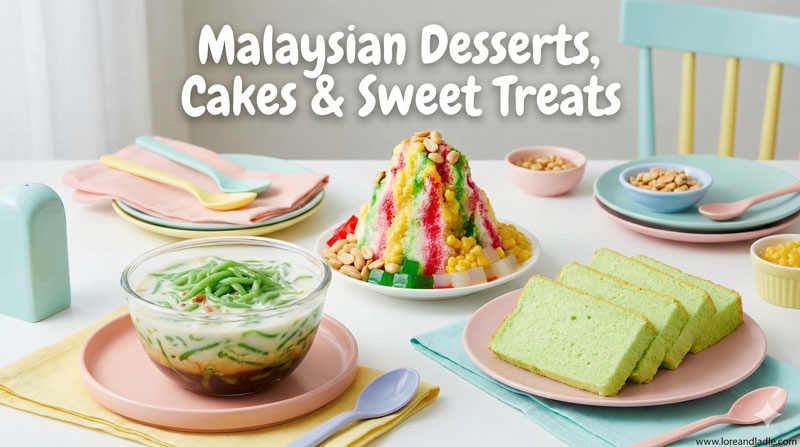
Cendol is built on three core elements: green rice-flour jelly ribbons, coconut milk, and gula melaka syrup, all served over shaved ice. The green ribbons, called cendol, are flavored with pandan, a fragrant plant that lends a gentle aroma and a distinct hue. The jelly is formed by pressing rice flour dough through a perforated tool, creating fine, noodle-like strands that float in the cold water they fall into. When the ice melts, the coconut milk mingles with the palm-sugar sweetness, creating a creamy, silky layer that contrasts with the chewy jelly. The result is a balanced, multi-layered dessert that immediately cools the senses and brightens the palate.
A Symphony of Flavors: Pandan, Palm Sugar, and Coconut
Pandan brings a bright, vanilla-like fragrance that feels unmistakably tropical. This aroma rises gently as the dessert is assembled, inviting a sense of place and season. Palm sugar, or gula melaka, adds a caramel-amber sweetness with a hint of molasses-like depth. Fresh coconut milk provides richness and roundness, smoothing the sweetness and tying the components together. In combination, these elements celebrate the abundance of ingredients found in Malaysian kitchens and markets, transforming simple components into a harmonious sweet treat.
Cultural Value: A Dish of Shared Moments
Cendol shines in social settings. It appears in family kitchens, market stalls, and casual gatherings, making it a comforting presence during hot days and celebratory times. The act of preparing cendol—whether at Home or in a hawker stall—embodies a communal spirit: careful attention to texture, balance of flavor, and the joy of sharing something delicious. The dessert also embodies timing and craft. The ribbons must be formed just right, the ice must be shaved to the right fineness, and the coconut milk and gula melaka must be poured for optimal integration. In this way, cendol carries a quiet cultural craftsmanship that travelers and locals alike can appreciate.
Regional Variations and Serving Traditions
Across Malaysia, cendol can reflect regional preferences in sweetness, ice, and toppings. While the core components remain the same, some places adjust the ratio of elements or introduce gentle twists to suit local tastes. Common practice centers on serving the dish cold in a bowl or glass, letting the ice melt gradually to release more flavor as you pace your sweetness. The ritual of tasting—starting with the green jelly, then the coconut milk, then the syrup—encourages a mindful appreciation of how textures and aromas evolve with each mouthful.
Today’s Table: From Stalls to Home Kitchens
Today, cendol thrives both in bustling street stalls and cozy home kitchens. Street vendors often showcase artistry in the way they scoop, drizzle, and present each cup, turning a simple dessert into a small, shared moment of delight for passersby. At home, families and friends may tailor the dessert to their preferences, adjusting the ice level, the richness of coconut milk, or the intensity of gula melaka. This flexibility reinforces cendol’s place as a dish that adapts to different occasions while preserving its essential character.
How to Appreciate Cendol
To truly appreciate cendol, savor the contrasts first: the cool, refreshing ice; the chewy, pandan-scented jelly; and the creamy, sweet coconut layer. Notice how the palm sugar syrup lingers, adding warmth without overpowering the other elements. Pay attention to how the aroma of pandan enhances the sense of brightness and freshness in each bite. This dessert invites slow tasting and gentle conversation, making it a natural companion to light conversations after meals or to a sunny afternoon with friends.
Conclusion
Cendol stands as a vivid expression of Malaysian culinary culture: an inviting, balanced dessert born from simple ingredients, crafted with care, and shared with warmth. Its green ribbons, fragrant aroma, and creamy sweetness come together to celebrate the land’s tropical flavors and the joy of gathering. Whether enjoyed at a bustling stall or in a quiet kitchen, cendol remains a sweet reminder of the beauty found in everyday food and the delight of making something memorable, again and again.