
Introduction
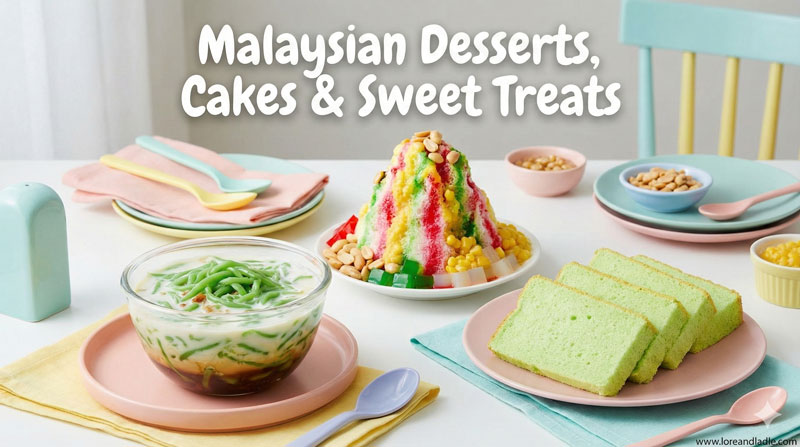
Pandan Chiffon Cake is a gentle, cloud-like dessert that carries a bright green hue and a fragrant aroma. When made just like a Malaysian restaurant, it becomes more than a treat; it becomes a small story about place, scent, and shared tables. This post explores the dish’s cultural value and culinary significance. We will look at the ingredients, the techniques, and the way the cake sits at the heart of gatherings. In short, the pandan chiffon cake is a bridge between home kitchens and professional kitchens, a symbol of care, balance, and fresh flavors.
What is pandan chiffon cake?
Pandan chiffon cake blends lightness and fragrance. The pandan leaf gives a distinctive, creamy sweetness and a gentle herbal note. The chiffon method uses whipped egg whites to create a soft, airy crumb, while the yolk batter provides structure and depth. The result is a cake that feels delicate yet resilient, a texture that breathes with every bite. In a Malaysian restaurant, it often arrives soft, moist, and evenly scented, inviting you to savor the aroma before you even taste the crumb. This cake shows how technique and aroma can work together to deliver a memorable experience.
The cultural value of pandan in Malaysia
Pandan is more than a flavor. The leaves are a familiar sight in Malaysian kitchens, markets, and street stalls. They bring a sense of freshness, nature, and everyday celebration. The aroma is warm and inviting, a marker of comfort in many households. Pandan connects families to seasonal ingredients and to each other, turning ordinary days into small festivals of scent and taste. In desserts and drinks, pandan signals hospitality and care. When a kitchen uses pandan, it says: we honor tradition, we share sweetness, and we welcome guests with a familiar, soothing glow.
The culinary significance of chiffon cakes in Malaysian kitchens
Chiffon cakes arrived in many Asian kitchens as an elegant way to balance lightness with flavor. The method relies on folding in air, achieved by whipping egg whites and then carefully combining them with a yolk batter. In Malaysia, pandan chiffon cake has become cherished for its versatility. It suits tea time, festive gatherings, and casual family meals alike. The cake’s softness pairs well with tropical textures and creamy toppings, yet it stands confident on its own. This versatility highlights a key aspect of Malaysian culinary culture: the ability to adapt a technique to local flavors while keeping a sense of refinement.
Techniques that honor tradition
To bring restaurant-like quality to pandan chiffon cake, certain techniques matter. First, beaten egg whites must form stable, glossy peaks. Next, the whites are folded gently into the yolk batter so the air remains intact. Then, the batter is poured into a pan that won’t disrupt the lift, and it bakes to set with a light, springy crumb. Finally, the cake cools inverted, which helps keep its tall, airy shape. These steps are not just kitchen mechanics; they are practices that sustain texture, aroma, and tenderness—qualities celebrated in Malaysian dining rooms and bakeries alike.
Ingredients and their story
- Pandan leaves or paste: the signature aroma that defines the cake’s identity.
- Eggs: essential for structure and lift.
- Sugar: sweetness that balances pandan’s herbal notes.
- Flour and a small amount of oil: support the tender crumb without weighing it down.
- A pinch of salt and cream of tartar or lime juice: stabilizers that help the batter rise cleanly.
- Water or coconut milk: adds gentle moisture and a hint of tropical depth.
In many kitchens, pandan paste provides a reliable color and aroma when fresh leaves aren’t available. The choice between fresh leaves and paste tells a small story about accessibility, seasonality, and personal preference. Either option respects the same goal: a fragrant, airy cake that feels bright and comforting at once.
Flavor, aroma, and memory
The scent of pandan freshens the room and evokes fond memories of gatherings, tea breaks, and shared desserts. The green color invites curiosity and delight, especially among guests who associate it with tropical gardens and festive tables. The flavor is soft, with a subtle vanilla-like sweetness and a whisper of creaminess. Together, aroma and taste create a sense of place. In this sense, pandan chiffon cake becomes more than food—it becomes a sensory welcome, a signal that hospitality is underway.
Step-by-step overview for a restaurant-inspired pandan chiffon
While this post emphasizes culture and technique, here is a practical guide to achieve restaurant-level texture and aroma without turning the kitchen into a test kitchen:
– Prepare pandan aroma: simmer pandan leaves or blend pandan paste with hot water to extract flavor. Strain and cool to use as part of the batter liquid.
– Whip egg whites: beat until soft peaks form, then add a stabilizer like cream of tartar and whip to firm peaks.
– Mix yolk batter: whisk egg yolks with sugar until pale, then fold in oil, pandan extract, and a portion of the flour.
– Combine with care: add the remaining dry ingredients and some pandan liquid; fold gently, then fold in a portion of the beaten whites to loosen the batter before the final fold.
– Bake with poise: pour into an ungreased chiffon tube pan. Bake until the center springs back and a tester comes out clean.
– Cool inverted: invert the pan to cool completely, preserving height and airiness.
– Serve with restraint: a light dusting of powdered sugar or a touch of coconut cream complements rather than overwhelms.
Presentation and serving
In traditional settings, pandan chiffon cake is shown off for its height and delicate crumb. Slicing reveals even, fine texture, which invites conversation about technique and care. Serve with a pot of hot tea or coconut milk, and offer fresh fruit for contrast. The presentation honors the dish’s elegance while keeping it approachable for everyday enjoyment. In many Malaysian restaurants, you may see the cake plated simply to let the aroma and crumb take center stage.
Cultural moments and the dish’s place at the table
This cake often appears at celebratory moments, family gatherings, and afternoon tea rituals. Its elegance makes it suitable for special occasions, while its lightness keeps it accessible for daily enjoyment. The pandan chiffon cake demonstrates how Malaysian cooks blend precision with generosity: precise technique yields a soft, uplifting crumb; generous flavors and aroma invite sharing and conversation. In short, the cake serves as a quiet ambassador of hospitality and culinary care.
A note on adaptation and respect
As cooks adapt pandan chiffon cake to their kitchens, they honor the core elements: pandan aroma, light texture, and balanced sweetness. Whether you prepare it in a festive kitchen or a cozy home oven, the essence remains the same. The goal is to preserve the cake’s delicate lift and fragrant character while letting each cook’s style shine through. This respect for tradition, paired with personal touch, is a hallmark of Malaysian desserts that keeps the dish vibrant and relevant.
Conclusion
Pandan chiffon cake, when made with care, embodies cultural value and culinary significance. It teaches the value of balance: aromatics that perfume the room, a texture that feels like a soft cloud, and flavors that stay gentle yet memorable. In Malaysian restaurants and homes alike, the cake invites connection, conversation, and shared delight. By honoring technique and embracing pandan’s distinctive scent, you celebrate a dish that represents hospitality, craftsmanship, and the beauty of Southeast Asian dessert traditions.