
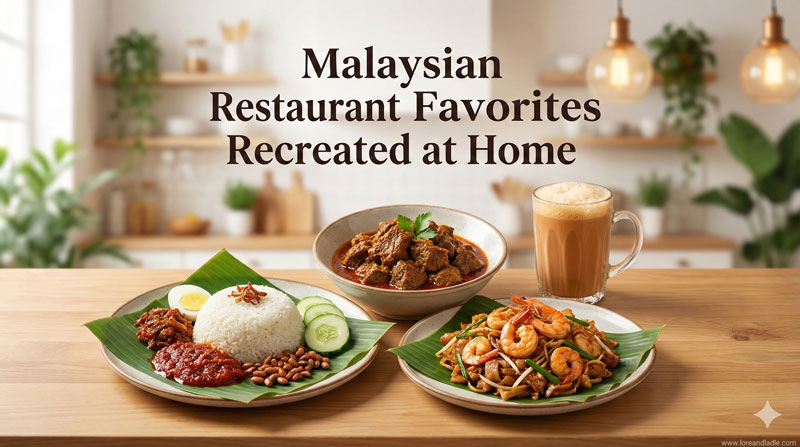
Introduction: How to Make Laksa Just Like the Malaysian Cafe Just Like a Malaysian Restaurant
Today, we explore a dish that is loved across streets and tables: laksa. The title invites you to learn “How to Make Laksa Just Like the Malaysian Cafe Just Like a Malaysian Restaurant,” and the journey is all about flavor, craft, and cultural value. Laksa is more than a meal; it is a shared experience that echoes the rhythms of markets, kitchens, and friendly gatherings. In cafes and restaurants, laksa offers a reliable, comforting aroma, a bright balance of spice and cream, and a sense of place in every spoonful.
The Flavor Thread: Cultural Value and Culinary Significance
Laksa stands at the heart of Malaysia’s food culture. It blends coastal ingredients with fresh herbs, showcasing how flavors mingle in everyday life. The dish reflects regional variety—creamy coconut milk in some versions, bright tamarind or lime in others, and a chorus of herbs that light up the senses. This versatility makes laksa a welcoming Dish for all ages and occasions. It signals care in preparation, respect for ingredients, and pride in local markets. In cafes and restaurants, laksa becomes a story told through simmering pots, fragrant pastes, and the careful layering of textures.
Core Ingredients and Their Roles
A classic laksa base combines a fragrant laksa paste with a smooth coconut milk broth. The paste often blends shallots, garlic, chilies, lemongrass, galangal, and a touch of shrimp paste. Turmeric adds warmth, while a splash of lime or tamarind cuts the richness with bright acidity. The noodles can be rice noodles or finer varieties that soak up the broth. Toppings — sliced chicken or shrimp, bean sprouts, fresh herbs, cucumber ribbons, and a halved boiled egg — provide color, crunch, and balance. These elements together tell a story of sea air, garden herbs, and careful cooking at a cafe counter or in a home kitchen.
From Paste to Pot: Techniques That Honor Tradition
The path from paste to plate is a dance of patience and precision. Sauté the paste to unlock aroma, then simmer with stock and coconut milk to merge depth and sweetness. Strain or skim lightly to keep the broth smooth, and season thoughtfully with salt, lime, and a touch of sugar if needed. Noodles cook separately and join the hot broth just before serving, preserving their texture. This approach preserves the dish’s balance, ensuring each spoonful carries brightness, spice, and cream at once.
Laksa in Malaysian Cafés and Restaurants
Cafés and restaurants present laksa as both comfort and artistry. Chefs aim for consistency while honoring local taste preferences. A well-made laksa delivers a bright top note from lime, a gentle heat from chilies, and a creamy backbone from coconut milk. The result feels familiar yet exciting, inviting diners to savor familiar textures and new flavor twists with every bite. This accessibility helps laksa become a beloved fixture on the dining scene, inviting conversation and sharing.
Step-by-Step: How to Make Laksa Like a Cafe
- Step 1: Chop shallots, garlic, chilies, lemongrass, galangal, and a small amount of shrimp paste; blitz into a smooth paste.
- Step 2: Sauté the paste in a little oil until fragrant; add stock and coconut milk and simmer to blend flavors.
- Step 3: Prepare noodles according to package instructions; keep them separate until serving.
- Step 4: Add cooked chicken or shrimp to the simmering broth; taste and adjust salt and acidity.
- Step 5: Ladle broth over noodles in bowls; top with bean sprouts, cucumber, herbs, and a halved egg.
- Step 6: Serve hot, with lime wedges on the side for a final zing.
Serving and Cultural Moments
Laksa shines in communal settings. A steaming bowl invites conversation about aromas, textures, and personal preferences for toppings. It is common to see laksa shared among friends and family during casual meals or celebratory gatherings. The dish’s flexibility allows kitchens to honor fresh market ingredients while maintaining a familiar, comforting core. This blend of accessibility and refinement makes laksa a beloved symbol of Malaysian food culture.
Final Thoughts: The Beauty of Laksa
Laksa embodies balance: spice and cream, heat and cool herbs, tradition and modern cafe technique. Its cultural value comes from how it brings people together around a fragrant, nourishing bowl. By learning to make laksa with care, you partake in a long-standing culinary conversation that celebrates local ingredients, skilled preparation, and the joy of shared meals. Enjoy the process, keep the aroma alive, and savor the dish as a living piece of Malaysian food culture.