
Hook
On a rainy Saturday, the window fogs up and a pot on the stove fills the room with a warm, amber glow. The scent of garlic meets soy and a touch of vinegar, weaving through the air like a comforting memory. Why Chicken Adobo Plate Is a Must-Try Filipino Dish Americans are loving slips into my thoughts as the clock ticks slower. The dish looks simple on the counter, yet it carries a quiet richness that makes a humble weeknight feel like a small celebration. By the time the first bite lands, the sauce coats the chicken with a glossy finish, and a smile travels from the plate to the table.
Why Chicken Adobo Plate Is a Must-Try Filipino Dish Americans are loving is more than a trend. It’s a rhythm you can hear in kitchens across the country, a reminder that good flavor can be both everyday and special. The dish welcomes a range of textures—from tender meat to a silky, savory glaze—and it invites conversation as easily as it invites a second helping.
Trust Indicator
Jump to Recipe: Why Chicken Adobo Plate Is a Must-Try Filipino Dish Americans are loving is built on simple, familiar elements. You’ll find a balanced sweet-sour-salty profile, a garlic-forward depth, and a glossy sauce that clings to every bite. This section helps you see the core idea at a glance and know what to gather for a home-friendly version.
Core idea at a glance:
– A chicken dish cooked in a soy-vinegar base with garlic, bay leaves, and peppercorns.
– A kitchen-friendly recipe that uses pantry staples and cooks in one pot.
– A final sauce that darkens and thickens, pairing beautifully with white rice.
Why Chicken Adobo Plate Is a Must-Try Filipino Dish Americans are loving remains a clear, approachable concept you can adapt to your tastes. The dish works for weeknights, weekend meals, or casual gatherings, and it pairs well with greens and rice or with simple sides you already enjoy. It’s straightforward enough to feel familiar, yet its flavor invites thoughtful bites and easy sharing.
The Deep Dive
Why Chicken Adobo Plate Is a Must-Try Filipino Dish Americans are loving speaks to flavor, texture, and daily life. The dish centers on a few core ideas that stay true across homes:
- Flavor profile: A savory backbone from soy sauce, a bright lift from vinegar, and a gentle warmth from garlic. The balance of salty and sour creates a satisfying tang without overwhelming the palate. A touch of sweetness often rounds the edge, giving the sauce a glossy, appealing finish.
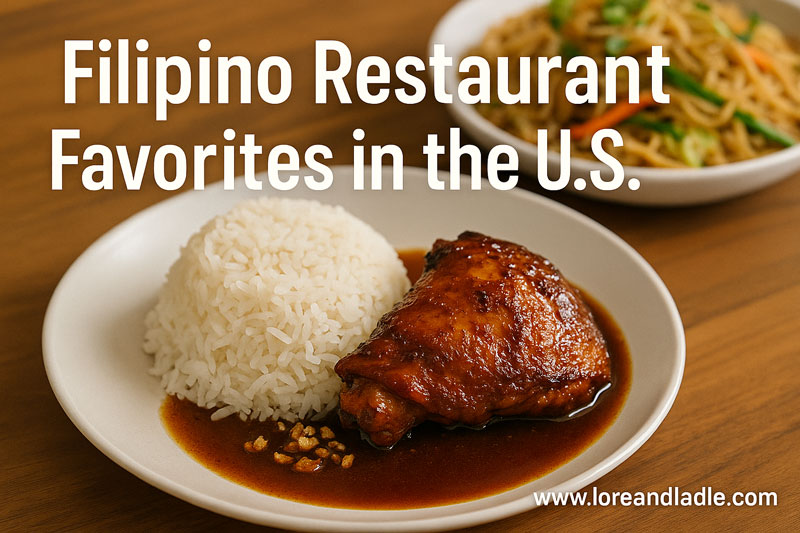
- Texture and appearance: The chicken becomes tender and moist, taking on the rich color of the sauce. The sauce reduces to a sheen that coats each piece, with peppercorns and bay leaves drifting through like small, aromatic accents. Served over steaming rice, the plate looks simple yet complete.
- Key characteristics: The dish relies on a few reliable technique cues—gentle simmering and a sauce that thickens to a lacquered glaze. It’s a one-pot meal that forgives small variations, letting home cooks improvise with what’s in the pantry.
- Occasions and daily life: Why Chicken Adobo Plate Is a Must-Try Filipino Dish Americans are loving fits both weeknights and weekend gatherings. It travels well to potlucks, is comforting for a family dinner, and scales up for larger meals when friends drop by. It pairs with a light salad, pickled vegetables, or a simple cucumber relish, creating a well-rounded plate without fuss.
- Ways people enjoy it: Some serve it with extra garlic rice for a bold hit; others keep it classic with plain white rice. A squeeze of lime or a sprinkle of chopped scallions can brighten the dish just before serving. Leftovers become a new flavor—shreds of meat tossed with the glossy sauce over fried rice or tucked into a sandwich for a savory lunch.
- Non-political traditions: This dish thrives in everyday rituals—family recipe exchanges, quick kitchen conversations about which garlic is freshest, and the shared joy of tasting a sauce that glows in the pan. It’s a meal that encourages lingering at the table, savoring the harmony of aroma, color, and mouthfeel.
In practice, Why Chicken Adobo Plate Is a Must-Try Filipino Dish Americans are loving translates to a cooking experience that is both practical and comforting. You gather a few pantry staples, you bring them to a simmer, you watch the sauce embrace the chicken, and you share the result with people you care about. The appeal lies not only in the taste but in the way the dish creates a sentence of everyday life: a simple meal that invites conversation, warmth, and a sense of home.
For cooks exploring Filipino flavors, the dish offers a welcoming doorway. It demonstrates how a few bold elements can come together without complication, yet deliver a depth of savor that lingers after the last bite. The aroma in the kitchen, the glossy sheen on the plate, and the easy ritual of serving with rice all contribute to the comforting aura of the dish. It’s a plate that respects tradition while still inviting personal touches, making it a reliable favorite for many households.
The Recipe Card
Core ingredients:
– Chicken thighs (bone-in or boneless), skin on for extra flavor
– Soy sauce
– Vinegar (cane or white)
– Garlic cloves, lightly crushed or minced
– Bay leaves
– Whole peppercorns
– Water or broth
– Optional touch: a small amount of sugar or a pinch of salt to adjust balance
– Optional accompaniments: steamed white rice, fresh greens or a light cucumber salad
High-level method:
– Combine the chicken with soy sauce, vinegar, garlic, bay leaves, peppercorns, and a small amount of water or broth to create a glossy, savory base.
– Bring the mixture to a gentle simmer, allowing the flavors to meld and the sauce to thicken slightly as the chicken becomes tender.
– Balance the sauce by adjusting sweetness, salt, or acidity as needed, then finish with a final gloss that coats the chicken nicely.
– Serve with steamed rice and a fresh side to complete the plate, allowing the aromas to lead the first bite.
Why Chicken Adobo Plate Is a Must-Try Filipino Dish Americans are loving as a title of the dish, a guiding idea for home cooks, and a celebration of simple ingredients transformed into a dish that feels special. The approach is forgiving, the flavors are vivid, and the experience is warm and accessible. This is a dish that respects everyday life while offering a touch of culinary delight in every single bite.