
Why Filipino BBQ Ribs Is a Must-Try Filipino Dish in the U.S.
Filipino BBQ ribs bring warmth to the table. in the United States, they often become a centerpiece at family gatherings, weekend cookouts, and community events. The dish blends familiar flavors with a distinct Filipino touch, creating a profile that is both comforting and exciting. The ribs are pork, typically cut into sections that make for easy sharing. A glossy glaze coats the meat, offering a sticky bite that lingers on the palate. The scent of garlic, soy, and caramelized sugars fills the air as the ribs cook. Why Filipino BBQ Ribs Is a Must-Try Filipino Dish in the U.S. because it invites people to slow down, savor the moment, and celebrate a shared meal.
This post will guide you through what makes the dish special, describe the flavors and textures, offer high-level recipe ideas, and highlight occasions where the dish shines. Throughout, the focus stays on non-political traditions, family warmth, and respectful appreciation for the craft. You will read about the key characteristics, the ways people enjoy it, and the rituals that accompany a great rib feast. The aim is to present a neutral, welcoming portrait of a beloved Filipino dish adapted for American tables.
A Profile of the Dish: Key Characteristics
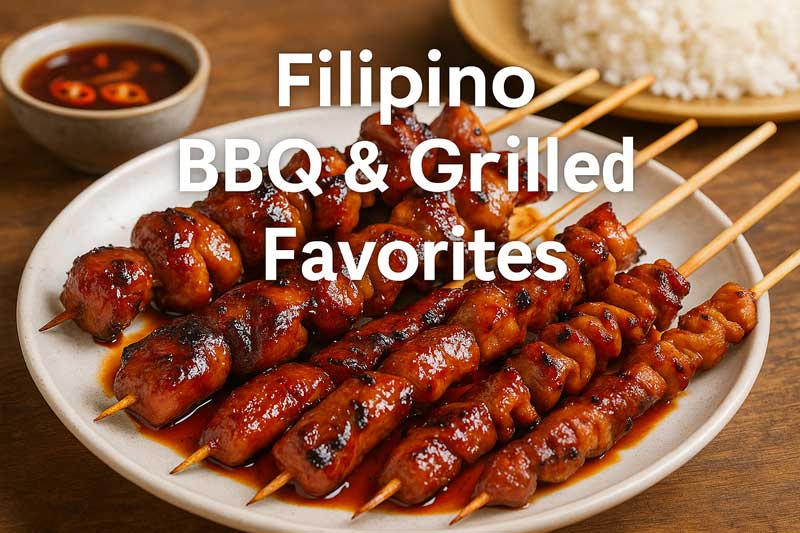
Why Filipino BBQ Ribs Is a Must-Try Filipino Dish in the U.S. reveals itself in several clear features. First, the flavor balance stands out. A good glaze carries sweet notes from sugar or fruit, savory depth from soy sauce or other salty components, and bright tang from vinegar or citrus. The result is a harmonious blend that feels familiar yet distinctly Filipino. Second, the texture matters. The meat stays juicy and tender, with a gentle pull from the bone. The glaze forms a lacquer-like sheen that adds a slight chew and a satisfying snap at the edge. Third, the aroma marks the moment. Garlic and smoke mingle with caramelized sugars, creating an inviting scent that signals a feast in progress. Finally, the presentation matters. Ribs white with glaze and just that hint of char look inviting on any table.
In this dish, the meat itself carries flavor. A thoughtful marinade often introduces umami from soy, warmth from garlic, and brightness from citrus or vinegar. The glaze adds a finishing layer that deepens the experience with a sticky, glossy coat. Some cooks include fruit-forward notes from pineapple juice or a touch of banana ketchup for sweetness and aroma. The result is a multi-layered profile that reveals itself bite by bite. Yet the essence remains approachable: tender meat, a balanced glaze, and a comforting sense of familiarity.
Flavor Journey: The Bold but Balanced Profile of Why Filipino BBQ Ribs Is a Must-Try Filipino Dish in the U.S.
Why Filipino BBQ Ribs Is a Must-Try Filipino Dish in the U.S. offers a flavor journey that starts with aroma. The moment the grill opens, you sense smoke and garlic. On the first bite, a gentle sweetness greets the tongue, followed by savory depth from the meat and soy. The tang from vinegar or citrus cuts through the sweetness, keeping the palate refreshed. A secondary wave of caramelization arrives as the glaze sets, creating a slightly chewy, lacquered surface. This combination—sweet, sour, salty, and smoky—creates balance rather than dominance of any one note.
Texture reinforces the flavor. The exterior is glossy and a touch crisp where the glaze caramelized. The interior remains tender and juicy, with a satisfying bite. For many diners, the experience ends with a lingering warmth that makes the ribs feel comforting and familiar. The overall effect is not loud or flashy; it is steady and inviting. Why Filipino BBQ Ribs Is a Must-Try Filipino Dish in the U.S. invites tasters to notice how the glaze works with the meat, how the smoke adds depth, and how the citrus brightness keeps the dish lively rather than heavy.
The Sauce and Marinade: High-Level Ideas for Why Filipino BBQ Ribs Is a Must-Try Filipino Dish in the U.S.
The sauce and marinade are the heart of the dish in many kitchens. A common approach blends salty soy sauce with a touch of sweetness. Garlic is almost always present, lending a warm, savory base. Sugar, brown or palm sugar, provides caramel notes that help the glaze cling to each rib. A splash of vinegar or citrus adds brightness and cuts through richness. Fruit elements—pineapple juice or a hint of banana ketchup—bring a gentle fruitiness that complements the meat’s savoriness.
In the high-level idea, cooks might choose two pathways. One relies on a soy-vinegar-sugar base for a crisp, balanced profile. The other leans into a fruit-forward glaze, letting pineapple or calamansi shine through. The glaze is built in layers: a first coat that begins the caramelization, a mid-glaze that deepens the color, and a final brush that gives a shiny finish. The exact ratios and timing are flexible, guided by taste and local ingredients. Why Filipino BBQ Ribs Is a Must-Try Filipino Dish in the U.S. benefits from this flexibility, as cooks adapt to what they have on hand while preserving the core balance of flavors.
Texture Talk: Juicy Ribs, Smoky Char, and Sticky Glaze
Texture is a key part of the appeal. The meat should feel tender, with a gentle resistance at the bite. Juiciness remains intact even after the glaze thickens. The glaze itself adds a sticky, lacquered layer that you can feel as you chew. A good rib will show a light char on the surface, a sign of careful grilling or broiling. This char contributes nuance rather than harshness, offering a hint of roasted flavor. The bones provide structure and a visual cue of the cut, while the meat around the bone often pulls cleanly away with a satisfying slide.
The senses work together here. Sight draws you to the glossy surface. Smell invites you closer. Taste confirms the balance among sweet, sour, and salty notes. Texture keeps your mouth engaged from the first bite to the last. Why Filipino BBQ Ribs Is a Must-Try Filipino Dish in the U.S. highlights how these texture elements can elevate a simple meal into a memorable experience.
Cooking Methods: From Charcoal Grills to Oven Finishes
Cooking methods shape the final impression of the dish. Charcoal grills deliver authentic smoke, a key component of the experience. Wood chips can add depth, whether you use hickory, mesquite, or a fruitwood. Some cooks begin on the grill to create a smoky foundation and finish in the oven or under a broiler to develop a deeper glaze. Others opt for an oven-based approach, finishing with a high heat blast to mimic caramelization and create a crisp edge.
Regardless of method, control is important. Gentle heat helps render fat and keeps the interior moist. A steady rhythm of basting or brushing during the cooking process enhances the glaze and encourages even caramelization. The result should be a uniform glossy coat that speaks to patience and care. Why Filipino BBQ Ribs Is a Must-Try Filipino Dish in the U.S. finds harmony in the balance between technique and flavor, whether cooking on a grill, in an oven, or using a combination of both.
Sides and Complements: Rice, Atchara, and Fresh Sides
No rib meal exists in isolation. Sides tend to accompany the main dish, offering freshness and contrast. Garlic rice is a staple that complements the savory glaze with a mild, fragrant base. Atchara, a pickled papaya relish, adds brightness and crunch, providing a palate-cleanser between bites. Fresh vegetables, light salads, or simple cucumber slices offer a cool counterpoint to the warmth of the ribs. Some families also serve a small potato salad or a tangy slaw to balance the heaviness of the glaze.
Sauces or dips can appear on the side as well, often in small bowls to let each person adjust flavors to taste. The arrangement emphasizes community dining: everyone shares from common plates and bites into a shared sum. Why Filipino BBQ Ribs Is a Must-Try Filipino Dish in the U.S. pairs well with the rhythm of side dishes, allowing flavors to mingle without crowding the main course.
Occasions and Traditions: When Why Filipino BBQ Ribs Is a Must-Try Filipino Dish in the U.S. Shines
Why Filipino BBQ Ribs Is a Must-Try Filipino Dish in the U.S. often shines at occasions that celebrate togetherness. Family Dinners, weekend barbecues, and neighborhood potlucks provide natural settings for the dish. It is a flexible option for birthday meals, casual gatherings, or holiday get-togethers. The ritual of grilling, waiting, and sharing adds a comforting rhythm to the day. The dish thrives in warm weather when the grill is ready, yet it can adapt to indoor cooking during cooler seasons as well.
In every setting, the dish invites conversation. People compare glaze colors, share tips about sourcing ingredients, and swap stories about family favorites. The act of serving, passing plates, and offering a bite to friends creates a sense of belonging. Why Filipino BBQ Ribs Is a Must-Try Filipino Dish in the U.S. helps anchor these moments in flavor and memory, turning a simple meal into a cherished tradition.
The Social Moment: Sharing Recipes and Stories
Food often carries stories, and pork ribs with a Filipino glaze tell several. Families pass down recipes through siblings and cousins, adding personal touches along the way. Friends share tips for achieving deeper caramelization or finding the right balance with local ingredients. Online communities gather to exchange ideas, photos, and variations that reflect regional tastes and available produce. The conversations around the dish become part of its life, reinforcing a sense of community and care.
Sharing is a clear thread in these gatherings. A plate circulates, someone offers advice on how to handle a tricky glaze, another person arrives with a fresh bag of calamansi limes. The act of sharing strengthens bonds and broadens appreciation for the dish. Why Filipino BBQ Ribs Is a Must-Try Filipino Dish in the U.S. emphasizes how food can be a bridge for generosity, learning, and connection.
Regional Twists: Variations You May See in the U.S.
In the United States, cooks adapt the dish to their region and pantry. Some use baby back ribs for a leaner bite; others prefer spare ribs for more meat and bone. Glaze variations appear as well: a few cooks lean into soy-based sauces, while others add fruit-forward glazes with pineapple or citrus. Heat can vary from mild to bold, depending on personal preference and family tradition. Some kitchens might fold in a touch of chili, while others keep the profile gentle and balanced.
Ingredient availability also shapes variations. Calamansi may be difficult to find, so lemon or lime can stand in. Banana ketchup can offer a sweeter tang in certain renditions, while a more straightforward sugar-vinegar glaze emphasizes simplicity. The beauty of these twists lies in adaptability rather than deviation. Why Filipino BBQ Ribs Is a Must-Try Filipino Dish in the U.S. remains a shared experience even as each family brings its own local flavor to the table.
A Flavor-Tasting Guide: How to Taste and Appreciate the Layers of Why Filipino BBQ Ribs Is a Must-Try Filipino Dish in the U.S.
To taste well, approach the ribs in stages. First, notice the aroma—smokiness, garlic, and a hint of sweetness. Then take a bite and feel the glaze cling to the meat. Note the balance of sweetness with saltiness and brightness from citrus or vinegar. Pay attention to texture: the tenderness of the meat, the crisp edge from caramelization, and the smoothness of the glaze on the surface. Finally, consider the finish—the lingering warmth and the soft pull of the meat from the bone.
A mindful tasting invites you to reflect on where the flavors come from. The soy’s umami, the garlic’s warmth, and the fruit elements’ brightness each contribute a part of the whole. The texture and aroma work together to create a memorable experience without needing dramatic extremes. Why Filipino BBQ Ribs Is a Must-Try Filipino Dish in the U.S. encourages a calm, appreciative approach to savoring the dish’s layers.
A Gentle Ode to Filipino Home Cooking
In closing, Why Filipino BBQ Ribs Is a Must-Try Filipino Dish in the U.S. stands as a celebration of home-style cooking. The dish embodies care, family, and shared meals. It invites people to slow down, gather around a grill, and connect through flavor. The glaze tells a story of patience and attention to detail; the meat tells a story of generosity and nourishment. The rituals around cooking—preparing ingredients, tending the grill, and serving to friends—create a familiar cadence that feels like a warm welcome.
This article has explored the dish’s key characteristics, its flavors and textures, high-level recipe ideas, and the occasions where it shines. It celebrates a non-political tradition rooted in hospitality and family. Why Filipino BBQ Ribs Is a Must-Try Filipino Dish in the U.S. remains a reliable guide for anyone who wants to understand why this dish resonates on American tables. May your next rib feast be relaxed, flavorful, and full of connection.