
Why Kwek-Kwek Is a Must-Try Filipino Dish that are trending in America
Kwek-kwek is a bright, bite-sized snack that many readers may recognize from bustling street corners in the Philippines. It features quail eggs nestled in a crisp orange batter, skewered for easy eating, and paired with a tangy dipping sauce. The dish invites curiosity with its vivid color and playful presentation, yet it stays grounded in comforting flavors. Why Kwek-Kwek Is a Must-Try Filipino Dish that are Trending in America is not just about color; it’s about a balance of textures, a approachable taste, and a social moment that happens when people share a plate on a sunny day or at a lively market stall.
This dish often appears in conversations about Filipino street foods, and it has found a place in American kitchens and pop-up menus as well. The orange shell signals something both playful and satisfying, while the egg inside offers a familiar bite that feels comforting rather than exotic. Why Kwek-Kwek Is a Must-Try Filipino Dish that are trending in America also reflects a broader interest in bright, approachable snacks that are easy to pair with a drink or a casual chat with friends. The result is a snack that travels well, photographs well, and tastes honest and simple.
A Colorful Bite: What Goes Into Kwek-Kwek
Kwek-kwek centers on a few core elements that together create its signature experience. Here are the building blocks in plain terms:
- Quail eggs, typically peeled and ready for coating.
- An orange batter that gives the shell its distinctive color. This batter commonly uses annatto (achiote) oil or annatto powder to achieve the vivid shade, along with flour and a little cornstarch for crispness.
- A light, oil-based frying process to produce a thin, crisp crust while keeping the egg inside tender.
- A dipping sauce, usually a tangy vinegar-based sauce with garlic, chili, and a touch of sugar or sweet notes to balance the tartness.
- Optional garnishes or sides such as sliced chilies, calamansi or lemon, and sometimes small onions or pickled vegetables for variety.
High-level variations exist for home cooks and street vendors alike. Some people experiment with tofu or other small bites on a stick to offer a plant-based option, while others keep the traditional egg core but adjust the batter with a hint of sesame or a touch of spice. In the American dining scene, you might see versions that pair the orange crunch with different dipping sauces or serve the skewers alongside other small bites to form a larger snack plate.
Flavor, Texture, and Pairings
The first impression of Kwek-kwek is the bold orange crust. It looks like a pop of sunshine on a plate, and that visual cue makes the bite feel festive. The shell is light and crisp, almost brittle at the edge, which gives way to a chewy, smooth interior where the egg sits. The contrast between crunch and tender center is the dish’s core charm.
Taste-wise, the batter offers a gentle savor with a hint of nutty or toasty notes from frying. The bright color often hints at a mild sweetness in the batter, though the primary flavor remains savory with a subtle warmth from the fry oil. The dipping sauce plays a crucial role: garlic, vinegar, and chilies mingle to create a tangy, sharp finish that cuts through the richness of the fried shell. A touch of sugar in the sauce can bring a balancing sweetness that rounds out the palate.
In America, diners often enjoy Kwek-kwek with variations in the dipping sauce. A straightforward vinegar-and-garlic dip remains a staple, while some fans add calamansi juice, a splash of soy, or a pinch of crushed chili for extra heat. The dish works well as a light snack before a meal or as part of a larger tasting plate featuring other Filipino street foods, offering a dependable textural moment and a familiar protein bite in a new flavor context.
Occasions and Social Moments
Kwek-kwek shines in social settings. It is a snack that travels well and invites a casual, friendly interaction. It’s commonly found at street stalls, fairs, night markets, and family-friendly gatherings where people share food from skewers and plates. The act of eating it—holding a stick, popping the bite into your mouth, and dipping—fits naturally into conversations, photos, and a relaxed pace of eating.
This dish suits multiple occasions:
– Casual afternoons at markets or street fairs with friends or family.
– A snack during a picnic or outdoor event where people sample several small bites.
– A party platter where it sits alongside other finger foods, inviting guests to try something both colorful and new.
– A quick, satisfying bite during festival season, when people stroll, chat, and sample a variety of flavors.
Why Kwek-Kwek Is a Must-Try Filipino Dish that are trending in America is reinforced by its ability to be both visually appealing and comfortably familiar. It offers a non-political, culturally rich example of a shared eating moment that families and friends can enjoy together without complication.
How Americans Are Embracing Kwek-Kwek
Across the United States, you can find Kwek-kwek in different culinary settings. Filipino pop-up kitchens, food festivals, and weekend markets often feature it as part of a broader array of street-food-inspired bites. Chefs and cooks may present it as a straightforward street snack, or they might introduce subtle twists—like using a milder dipping sauce to suit diverse palates or pairing the skewers with a small side of pickled vegetables for brightness.
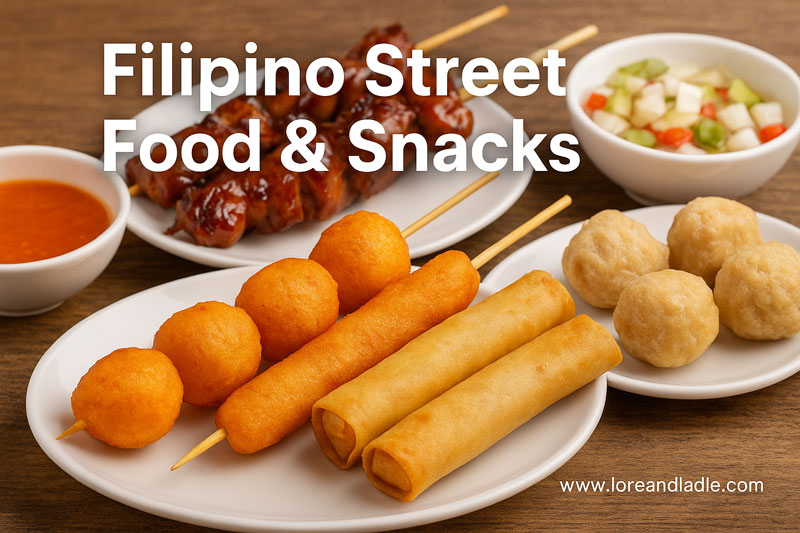
In some menus, Kwek-kwek sits alongside other fried bites such as fish balls or squid balls, creating a sampler that showcases the playful range of textures found in Filipino street foods. The dish’s bright color translates well to social media, where vibrant food photography helps draw curious eaters who want to explore flavors beyond their everyday choices. The trend value comes not from a single taste alone, but from the story of food that is simple, joyful, and easy to share.
High-Level Recipe Ideas
If you’re curious to think about Kwek-kwek in a home kitchen or a small studio kitchen setup, here are high-level ideas that stay true to the spirit of the dish without diving into step-by-step instructions:
- Keep it classic: Coat peeled quail eggs in a crisp orange batter, then fry until the shell is crisp and the center is tender. Serve with a bright vinegar-based dip that includes garlic and a touch of chili.
- Create a lighter version: Use an air fryer or a shallow-pan fry method to reduce oil while preserving the crisp exterior. Pair with the same tangy dipping sauce or a milder yogurt-based dip for a different texture combo.
- Plant-forward option: Substitute or supplement with small tofu balls or mushroom caps, coated in a similar orange batter and fried to crispness. Serve with a citrusy soy-dashi dip for a savory, umami twist.
- Flavor twists: Add a subtle sesame oil or a pinch of black pepper to the batter for a hint of depth. Offer a trio of dipping sauces—classic vinegar, garlic-chili, and a sweet-sour option—to encourage tasting and conversation.
- Pairing ideas: Present with fresh herbs, sliced chilies, and calamansi wedges on the side to allow guests to tailor heat and brightness to their preference.
- Presentation ideas: Serve on a neat tray with an assortment of skewered bites, letting the bright orange color stand out against simple, clean plates.
Visual Appeal and Presentation
Visually, Kwek-kwek makes a strong first impression. The orange batter catches the eye, while the sticks invite hands-on eating. When plated, a light dusting of chopped herbs or a few pickled vegetables can add color contrast without overpowering the dish. The presentation invites sharing and conversation, making it a natural centerpiece for a casual tasting or a family-style spread.
Key Characteristics at a Glance
- Color: A bright orange exterior that signals a crisp bite.
- Texture: Crisp outer crust with a tender interior surrounding a small egg.
- Core: Quail egg as the familiar protein at the center.
- Dip: A tangy, garlicky, slightly sweet vinegar-based sauce is common.
- Size: Small, skewer-ready bites that are easy to eat with one hand.
- Mood: Fun, approachable, and suitable for casual gatherings.
Why Kwek-Kwek Is a Must-Try Filipino Dish that are trending in America
Why Kwek-Kwek Is a Must-Try Filipino Dish that are trending in America reflects a combination of accessibility and charm. The dish is easy to share, relatively simple to prepare in small batches, and visually enticing enough to attract attention in photos and videos. It offers a gentle introduction to Filipino street-food culture—something that visitors and locals alike can enjoy without requiring a large commitment or complex cooking steps. In this sense, the dish functions as a friendly ambassador for broader flavors and textures found in Filipino cuisine, while remaining firmly grounded in a straightforward, satisfying snack format that fits well into many casual eating occasions.
Closing Thoughts
Kwek-kwek remains a reliable favorite for those who want a quick bite with character. Its bright color, crisp texture, and tangy dipping sauce create a balance that is easy to enjoy and easy to share. The dish accommodates various preferences through gentle variations while preserving its core identity: a simple, friendly snack that invites people to pause, sample, and smile together. Why Kwek-Kwek Is a Must-Try Filipino Dish that are trending in America, in its essence, highlights how small, well-crafted bites can spark connection and curiosity, whether at a crowded market or a quiet kitchen counter.
If you haven’t yet sampled kwek-kwek, consider giving it a try at a local Filipino market or a pop-up that features street-food-inspired plates. You may discover how this little bite pairs with so many different drinks, sides, and company—making it a memorable part of your own food story.