
Introduction
Simple Pancit Malabon Recipe in the U.S. for sharing Filipino flavors opens a door to bright, inviting meals. This dish carries memories of seafood markets, home kitchens, and holiday gatherings. It blends generous toppings with a silky sauce and thick noodles, offering a balance of comfort and curiosity. In this post, I focus on cultural value, flavors, textures, key characteristics, occasions, ways people enjoy it, and non-political traditions. Simple Pancit Malabon Recipe in the U.S. for sharing Filipino flavors invites neighbors and friends to dine together with warmth and simplicity. The goal is a plate that feels familiar yet new, a bridge between everyday meals and festive generosity.
What is Pancit Malabon?
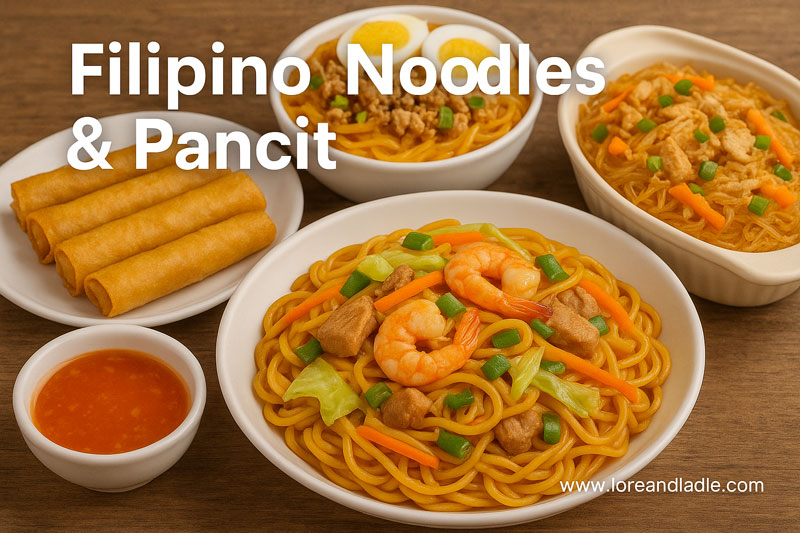
Pancit Malabon comes from a coastal city known for its seafood. The dish centers on thick, chewy noodles coated in a flavorful sauce. Toppings range from shrimp and squid to crab, with a garnish of green onions and sometimes crushed chicharron for a crisp finish. The sauce often holds a gentle brightness from citrus or annatto, giving the noodles a warm, inviting color. Simple Pancit Malabon Recipe in the U.S. for sharing Filipino flavors emphasizes accessible ingredients and a crowd-friendly presentation. While each home may tweak the toppings, the core idea remains the same: a hearty noodle dish that gathers people around the table.
Key characteristics
- Noodles: Thick, supple noodles that hold sauce well. They provide a satisfying bite and a hearty base.
- Sauce: A savory, seafood-forward sauce that brings umami without overpowering the toppings. The sauce is smooth, slightly glossy, and coats the noodles evenly.
- Toppings: A mix of seafood, such as shrimp or squid, plus crunchy elements like crushed chicharron or fried garlic. Fresh herbs add color and scent.
- Color and aroma: A warm, golden or orange tint from the sauce and toppings. The aroma blends ocean-bright notes with toasty accents.
- Texture balance: Meaty noodles, tender seafood, crisp garnishes, and a creamy sauce. Each bite offers a different moment of texture.
Simple Pancit Malabon Recipe in the U.S. for sharing Filipino flavors centers on delivering these textures and colors in harmony, so the dish feels cohesive and inviting.
Flavors and textures you’ll notice
- Savory depth: A solid base of savory flavors built from seafood, a touch of salt, and gentle sweetness from aromatics.
- Briny brightness: Seafood notes mingle with citrus or tangy elements to keep the dish lively.
- Creamy coating: The sauce wraps the noodles in a silky layer that still lets the individual ingredients shine.
- Crunch and softness: Crunchy toppings contrast with the softness of noodles and seafood.
- Fresh lift: Green onions or herbs bring a fresh finish to the dish’s warmer tones.
Simple Pancit Malabon Recipe in the U.S. for sharing Filipino flavors highlights this balance, so plates feel inviting rather than heavy.
Occasions and traditions
- Family meals: A go-to dish for weekend gatherings, celebrations, and shared suppers.
- Potlucks and community events: Its generous portions and bold flavors travel well on a serving table.
- Special occasions: It fits well with birthday dinners, anniversaries, and holiday meals where neighbors join in.
- Everyday comfort: For some households, it’s a reliable cook-at-home favorite that feels special even on ordinary days.
- Sharing rituals: The dish invites conversation and collaboration, as family members contribute toppings, garnishes, or sides to complete the platter.
Simple Pancit Malabon Recipe in the U.S. for sharing Filipino flavors is often prepared with a sense of hospitality, inviting guests to tailor the toppings and share in the moment.
Ways people enjoy it here in the U.S.
- Pairings: Light salads or pickled vegetables, citrus wedges, and simple fried crackers help balance the richness.
- Sides and drinks: Fresh fruit drinks or a mild iced tea complement the dish without overwhelming the flavors.
- Serving style: A large platter or shallow bowl allows everyone to see the colors and build a personal portion.
- Adaptations: Some cooks adjust toppings based on what’s available locally, keeping the dish approachable for home kitchens.
- Leftover ideas: Gently reheated noodles with extra fresh toppings can make a quick next-day meal.
Simple Pancit Malabon Recipe in the U.S. for sharing Filipino flavors remains flexible to local markets while preserving the dish’s spirit of generosity and shared taste.
High-level recipe ideas (without detailed steps)
- Seafood-forward version: Emphasize available seafood such as shrimp, scallops, and squid. Keep the sauce light with seafood stock and a touch of citrus.
- Mixed-vegetable version: Add peppers, green beans, or mushrooms for extra color and texture while preserving the noodle base.
- Spicy option: Introduce a mild chili oil or pepper blend to heighten heat without overwhelming the seafood notes.
- Vegetarian or pescatarian take: Use mushroom “seafood” substitutes or a robust vegetable broth to maintain depth.
- Smaller serving ideas: Create mini bowls for tasting events, allowing guests to sample multiple toppings.
- Classic-timed plates: Prepare a base sauce ahead and finish with fresh toppings when serving for a bright, immediate feel.
- Family-style spread: Offer a few topping choices on the side so each guest can build a personalized plate.
- Texture variety pack: Include a small dish of crunchy toppings and a separate sauce pour to let guests customize mouthfeel.
These ideas align with Simple Pancit Malabon Recipe in the U.S. for sharing Filipino flavors, keeping the essence intact while inviting creativity.
Practical tips for crafting and presenting
- Noodle choice: Thick rice noodles work best for the Malabon profile. If unavailable, a sturdy flat noodle can be a reasonable stand-in.
- Sauce balance: Aim for a sauce that coats without pooling. A light sheen on the noodles signals a well-mixed dish.
- Toppings: Use a mix of seafood and crisp accents to maintain both flavor and texture variety.
- Color palette: A final drizzle of light oil or citrus can refresh the dish’s color and aroma.
- Garnish: A sprinkle of chopped scallions and a few sesame seeds can add color and aroma without overpowering the dish.
- Plating: Present the dish on a wide platter to showcase the toppings and the glossy sauce. A neat, even layer helps guests see the dish’s parts clearly.
Simple Pancit Malabon Recipe in the U.S. for sharing Filipino flavors encourages mindful preparation that centers sharing and accessibility.
Cultural notes and values
- Sharing and hospitality: The dish is a symbol of gathering and generosity. People invite others to join in, taste, and comment.
- Family involvement: Cooking and presenting the dish is a chance for family members to contribute their touch, from selecting toppings to arranging the platter.
- Local adaptation: Cooks in different regions bring their own twists, reflecting regional ingredients and preferences while keeping the dish recognizable.
- Sensory memory: The dish evokes the scent of the sea, warm kitchens, and the sound of conversation around a table.
- Seasonal relevance: It feels especially fitting for celebrations and seasonal meals where time is set aside to enjoy together.
Simple Pancit Malabon Recipe in the U.S. for sharing Filipino flavors honors these values by keeping a welcoming and inclusive spirit.
Plating and presentation ideas
- Centerpiece bowl: A large, shared bowl encourages a communal feel and easy serving.
- Individual portions: Provide smaller bowls for guests to customize with their preferred toppings.
- Color storytelling: Arrange toppings to create a colorful, inviting look that tells a story of the dish’s ingredients.
- Fresh finish: Garnish just before serving to preserve brightness and aroma.
- Practical serving: Keep utensils close and offer napkins or towels to make the experience comfortable.
Simple Pancit Malabon Recipe in the U.S. for sharing Filipino flavors shines when the plate itself invites conversation and sharing.
A warm closer
Simple Pancit Malabon Recipe in the U.S. for sharing Filipino flavors offers more than a meal. It invites connection, with flavors that honor the sea, a texture that delights, and a method that welcomes variations. This dish celebrates everyday cooking and festive gatherings alike. It keeps the kitchen a place of care, where family and friends contribute to a shared meal with quiet pride. The dish stands as a gentle reminder that good food can bring people together, one plate at a time. May your table be filled with aroma, color, and conversation, as Simple Pancit Malabon Recipe in the U.S. for sharing Filipino flavors continues to be part of your home.
Conclusion
Simple Pancit Malabon Recipe in the U.S. for sharing Filipino flavors invites you to explore flavor, texture, and tradition in a balanced, accessible way. It celebrates seafood warmth, hearty noodles, and vibrant toppings. It supports gatherings, whether small or large, and encourages careful plate-making that invites others to taste and talk. The approach is simple, friendly, and respectful, keeping the focus on sharing and care. As you prepare this dish, you honor a culinary practice that values community, connection, and the quiet joy of a well-made meal. Simple Pancit Malabon Recipe in the U.S. for sharing Filipino flavors remains a welcoming invitation to bring Filipino flavors to the table with grace and simplicity.