
Why Sotanghon Guisado Is a Must-Try Filipino Dish to try this year in the U.S.
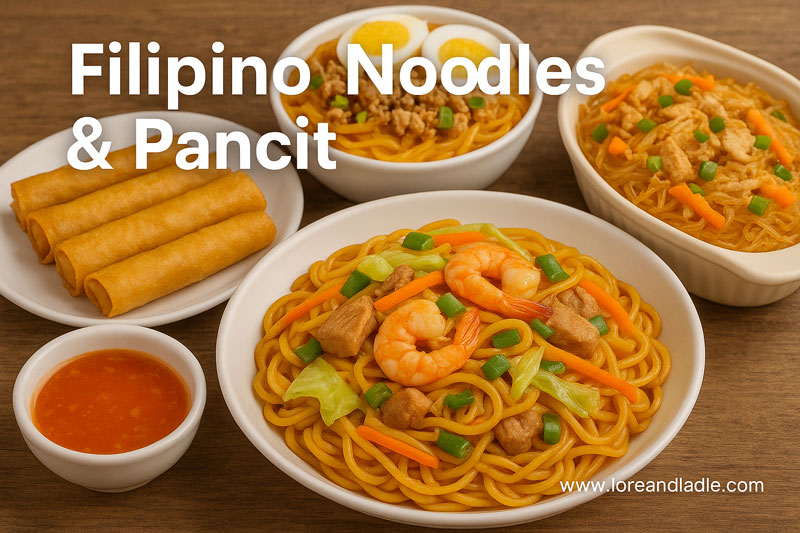
Sotanghon guisado is a sight to behold and a comfort to taste. In every bite, you feel the balance of familiar flavors and a gentle brightness from fresh vegetables. This dish is a staple in many Filipino kitchens, where simple ingredients come together with care to create something satisfying for any season. When you prepare it, you bring a sense of warmth to the table, a sense of home. Why Sotanghon Guisado Is a Must-Try Filipino Dish to try this year in the U.S. is about more than taste; it’s about an easy, welcoming cooking style that fits busy days and relaxed gatherings alike. The name itself tells you what to expect: sotanghon, the glass noddle, gives a delicate chew that carries the savory sauce and vegetables with grace. In this introduction, you’ll see how the dish blends textures, color, and aroma into a single, friendly plate.
Why Sotanghon Guisado Is a Must-Try Filipino Dish to try this year in the U.S. invites you to explore a dish whose main idea is simple: quick, satisfying stir-fry with glass noodles. The dish starts with a few everyday ingredients—garlic, onions, a protein of choice, and crisp vegetables—that dance in a hot pan. The noodles soften but still hold a gentle bite, allowing the sauce to cling without becoming mushy. This flexibility makes the dish ideal for weeknights or casual weekend meals. In the U.S. kitchen scene, sotanghon guisado can be adapted to what’s on hand, from a lean chicken to shrimp, from mushrooms to tofu. The result is a dish that feels both familiar and invite-worthy, a bridge between simple home cooking and more elaborate meals. The positive reception comes not from grand drama, but from the steady, comforting flavors that people recognize and enjoy.
Core Flavors That Define Sotanghon Guisado
At the heart of sotanghon guisado are flavors that work in harmony. Garlic and onions provide a fragrant base, while soy sauce adds depth and saltiness. A touch of sweetness from a small amount of sugar or natural vegetables balances the savory notes. Some cooks reach for a splash of oyster sauce or a hint of sesame oil to emphasize richness and a subtle nutty aroma. The protein—whether chicken, shrimp, pork, or tofu—adds umami and body, while vegetables like carrots, bell peppers, mushrooms, and green beans bring color and crispness. The glass noodles, soaked until just tender, absorb the sauce and mingle with the vegetables rather than overpower them. The result is a layered, well-rounded flavor profile that stays comforting without being heavy. The dish can lean toward a lighter, brighter finish with a squeeze of citrus or a handful of fresh herbs, and it remains equally at home alongside steamed rice or as a generous one-pan meal.
Texture and The Feel of a Good Stir-Fry
Texture matters in sotanghon guisado. The glass noodles provide a soft-chewy first impression that contrasts with the crispness of peppers, carrots, and green onions. When cooked properly, the protein remains tender and juicy, not dry, and the vegetables retain a bite that keeps the dish lively. The sauce binds everything together in a glossy coat that clings to each noodle strand and vegetable edge. This balance—soft, crisp, tender, and glossy—creates a satisfying mouthfeel from start to finish. A good stir-fry technique helps here: a hot pan, quick tossing, and steady heat keep moisture in the ingredients while glazing them with flavor. The dish does not rely on heavy sauces; instead, it relies on a concise combination of aromatics, salt, and a touch of sweetness to deliver a clean, comforting finish that lingers pleasantly.
Cultural Value and Home-Cooked Comfort
Sotanghon guisado holds a quiet cultural value in many Filipino kitchens. It is a dish families turn to when they want a meal that feels personal and nourishing, made with what is available in the pantry and refrigerator. The dish speaks of care: the cook readies a few familiar ingredients, gives them time and heat, and creates something that welcomes everyone to the table. It’s common to see small rituals associated with its preparation—mincing garlic, slicing onions, and laying out the vegetables in a neat line before cooking. These small acts emphasize how cooking becomes an expression of hospitality and respect. Sotanghon guisado is a food that travels well in memory, too, because the flavors are approachable and familiar across generations. When families gather, this dish can serve as a shared plate that invites conversation, thanks, and appreciation for everyday nourishment. The value lies in its accessibility and its ability to bring people together without fuss, making Why Sotanghon Guisado Is a Must-Try Filipino Dish to try this year in the U.S. a natural conversation starter about comfort and craft in the kitchen.
Occasions, Gatherings, and Everyday Enjoyment
This dish shines in many settings. It works well for weeknight dinners when time is tight but flavor is still a priority. It also fits weekend lunches and casual gatherings with friends or relatives who enjoy a bright, unfussy dish that’s easy to prepare in larger quantities. For potlucks, sotanghon guisado travels well and can be scaled up quickly—just keep the noodles and vegetables generous, and the sauce well balanced. Family birthdays and simple celebrations alike benefit from a colorful plate that looks appealing on the table. The dish pairs nicely with a bowl of steamed rice and a light green salad or pickled vegetables, offering a complete meal that isn’t overwhelming. In every setting, the dish delivers a sense of hospitality and a feeling that cooking has value beyond sustenance. Whether you’re cooking for one or for many, sotanghon guisado offers a reliable, inviting option that respects the occasion and the palate.
Ways to Adapt and Personalize This Dish
One strength of sotanghon guisado is its versatility. You can tailor it to your preferences and what’s available. For a heartier meal, add more protein or a handful of mushrooms to deepen texture and flavor. For a lighter version, focus on vegetables and use less oil, while boosting brightness with citrus, herbs, or a light soy-based sauce. If you prefer a seafood note, shrimp or a small amount of fish sauce can heighten the umami without overpowering the dish. For a vegetarian take, swap in extra firm tofu or a mix of mushrooms and snow peas. You can experiment with different vegetables—bell peppers, carrots, cabbage, or spinach—to change color and texture while keeping the dish balanced. Garnishes such as sliced scallions, toasted sesame seeds, or fried garlic add a final layer of aroma and crunch. The key is to maintain harmony among the elements: the noodles, the protein, the vegetables, and the sauce should mingle rather than compete, creating a cohesive, satisfying plate.
Practical Tips for Making Sotanghon Guisado in the U.S.
In U.S. kitchens, you’ll find sotanghon noodles in many Asian grocery aisles, usually labeled as glass noodles or vermicelli. They cook quickly, but soaking or briefly blanching before stir-frying helps them achieve the right texture. Choose a protein that cooks evenly and remains tender; chicken thighs, shrimp, or thinly sliced pork work well. For sauces, a simple combination of soy sauce, a touch of sugar, and a splash of stock creates a balanced base. If you want a richer taste, a small amount of oyster sauce or a drop of sesame oil can add depth without complicating the dish. Keep vegetables crisp by adding them in stages: start with aromatics and protein, then add quick-cooking vegetables toward the end so everything stays bright and colorful. Finally, taste as you go and adjust salt and sweetness to suit your preference. With these ideas, you can confidently prepare sotanghon guisado in a typical U.S. kitchen, enjoying a dish that honors tradition while feeling modern and accessible.
A Final Thought on Why Sotanghon Guisado Is a Must-Try Filipino Dish to try this year in the U.S.
As you plan meals for the coming year, consider the simple joy of cooking sotanghon guisado. The dish embodies balance, versatility, and warmth, making it a reliable choice for many occasions. It invites creativity without demanding complexity, and it rewards gentle attention to texture and aroma. Why Sotanghon Guisado Is a Must-Try Filipino Dish to try this year in the U.S. is not just about a recipe; it is about a way of cooking that respects ingredients, time, and the company around the table. In every kitchen, it can become a small ritual of care: a quick sizzle in a hot pan, the release of garlic and onions, the softening of noodles, and the final flourish of greens or citrus. If you are seeking a dish that speaks softly of home while welcoming new tastes, sotanghon guisado offers a steady, inviting path. It is a dish you can return to, time and again, for flavor that feels familiar and comforting, yet fresh enough to stay interesting. Why Sotanghon Guisado Is a Must-Try Filipino Dish to try this year in the U.S. is a reminder that good cooking honors everyday moments and makes them a little brighter.