
Introduction: A Warm Welcome to Pancit Bihon in America
Pancit bihon is a noodle dish that shines with balance and clarity. It combines soft rice noodles with crisp vegetables, tender protein, and a gentle, savory sauce. In America, home cooks and small eateries are discovering its bright flavors and easy adaptability. The dish feels fresh yet comforting, simple yet satisfying. This article invites you to explore how to enjoy and make authentic pancit bihon at Home that are trending in America, and it looks at the taste, texture, occasions, and everyday traditions that surround it.
What Pancit Bihon Brings to the Table
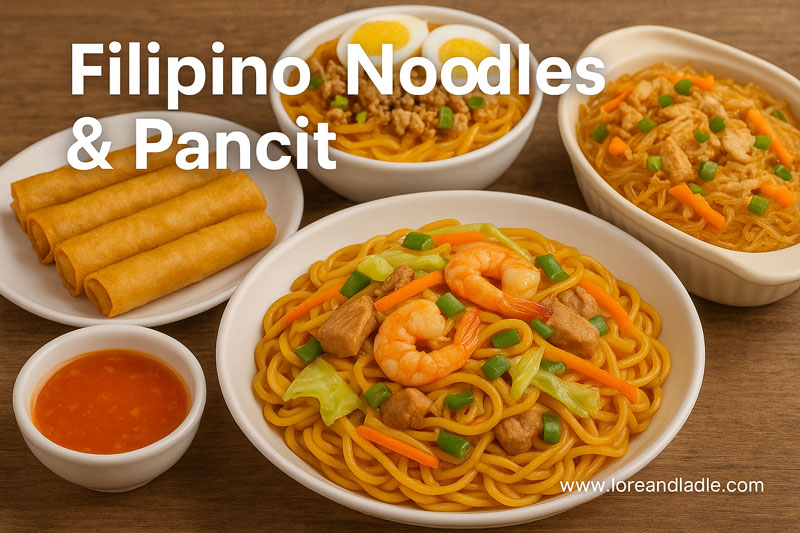
Pancit bihon centers on bihon, the very thin rice noodles. When cooked, they glide smoothly through a glossy, flavorful coating. The key is a careful balance: aromatics like garlic and onions, a touch of soy or fish sauce for depth, and a brightness from citrus. Add colorful vegetables for crunch and color, and pair with protein options that please your household. The result is a dish that feels both light and satisfying, with a texture profile that moves from slippery to crisp in the right places.
In America, you often see pancit bihon presented as a generous stir-fry on a large platter or plated in neat portions. The textures invite conversation: the noodles yield to the bite, the vegetables stay crisp, and the toppings offer a final pop of aroma. The dish respects its roots while inviting new flavors and ingredients that suit local markets and personal tastes. What you taste is a careful harmony between sweetness, salt, and citrus brightness, all carried by a clean noodle bite.
How to Make Authentic Pancit Bihon at Home that are Trending in America
How to Make Authentic Pancit Bihon at Home that are trending in America is about capturing core elements with high-level flexibility. The approach emphasizes brightness, balance, and a simple, repeatable method. Here are high-level ideas you can draw from:
- Noodles and prep: choose bihon noodles and soften them just enough to become pliable. Keep them separate so they don’t clump. In many versions, chefs and home cooks rinse once to remove starch and help the sauce cling evenly.
- Aromatics and base: start with garlic and onions to build a fragrant base. A touch of oil—often sesame, shallot oil, or neutral oil—helps lift the flavors without overpowering them.
- Proteins: select from chicken, pork, shrimp, or tofu. In America, you’ll often see combinations or toggled options to fit dietary needs. The key is to cook proteins until just tender and keep them juicy.
- Vegetables: include cabbage, carrots, and perhaps bell peppers or snap peas. The vegetables bring color and a fresh crunch that contrasts with the soft noodles.
- Sauce and seasoning: a simple blend of soy or tamari with a dash of salt or fish sauce, plus a mild sweetness from natural sugars or mirin, creates depth without heaviness. A squeeze of citrus, such as calamansi or lemon, finishes the dish with brightness.
- Finish and balance: toss everything gently to coat the noodles, then adjust for a glossy look and even flavor distribution. Garnish with scallions or sesame seeds and a final citrus wedge if desired.
This is a practical, high-level overview. It keeps the technique approachable and leaves room for personal touches. The emphasis remains on flavors that feel clean and accessible, which is part of what makes How to Make Authentic Pancit Bihon at Home that are trending in America appealing to many home cooks.
Flavor, Texture, and the Sensory Experience
The heart of pancit bihon lies in its simple, bright flavor. The dish carries a savory backbone from soy or fish sauce, a mild sweetness, and a citrus lift that prevents heaviness. Aromatics—garlic and onion—bring warmth without bitterness. The vegetables provide fresh sweetness and a crisp bite, creating a pleasing contrast with the soft, slick noodles. When the dish is finished, the surface gleams with a light sauce that glistens under the light and invites the nose to anticipate the first bite.
Texture plays a starring role. Noodles are silky and delicate, moving easily across the tongue. The vegetables stay crisp and colorful, offering a refreshing snap. Proteins add tenderness and a satisfying chew. The overall mouthfeel is balanced: no single element overwhelms the others, and the dish feels complete in every bite.
In America, cooks often adapt textures by choosing different vegetables or proteins. Some prefer extra crunch with bean sprouts or julienned carrots, while others favor a leaner mix of ingredients. The adaptability is part of the dish’s charm. It allows a home kitchen to echo a traditional profile while reflecting current tastes.
Occasions, Celebrations, and Everyday Meals
Pancit bihon fits many occasions. It works as a hearty weeknight option, a crowd-pleasing party dish, or a centerpiece for family celebrations. It travels well to potlucks and gatherings, where guests can help themselves and share plates with ease. The dish also serves as a comforting option for Weekend lunches or casual dinners, delivering satisfying flavors without fuss.
In the United States, you may see pancit bihon at birthday spreads, weekend family feasts, and seasonal gatherings. Its versatility makes it a reliable choice for people who want something bright and nourishing that’s not too heavy. The dish invites a sense of hospitality: it’s easy to prepare for a group, and the shared experience of serving and tasting reinforces warmth and togetherness.
Speaking of the growing interest, How to Make Authentic Pancit Bihon at Home that are trending in America often appears in home cooking circles as a model of flexible, approachable Filipino cooking. The phrase itself signals a trend toward accessible, comforting dishes that respect tradition while inviting modern twists.
Variations and High-Level Ideas for Adaptations
You can tailor pancit bihon to fit pantry staples or dietary preferences without losing its essence. Consider these high-level ideas:
- Vegetarian option: replace meat with mushrooms, tofu, or tempeh. Add protein-rich legumes if you like. The sauce’s balance remains the guide, ensuring the dish stays flavorful even without meat.
- Seafood version: shrimp or a combination of shrimp and scallops can give a bright, ocean-kissed note that many people enjoy. The cooking order stays similar, with seafood added so it stays tender.
- Gluten-conscious approach: use tamari or a gluten-free soy alternative. Check all sauces for gluten if needed. The noodles themselves are naturally gluten-free, but sauces often carry gluten.
- Spice and warmth: a touch of white pepper or a mild chili can wake the dish without dominating the other flavors.
- Crunch-forward presentation: add fresh bean sprouts or thinly sliced raw vegetables as a crisp topping just before serving. This preserves texture and adds a lively finish.
These ideas emphasize the dish’s versatility and the way modern kitchens in America experiment with textures and ingredients while honoring the core taste profile.
Serving, Presentation, and Pairings
How you present pancit bihon can elevate the experience. A large communal platter invites sharing, while individual plates create a tidy, easy-to-enjoy meal. A squeeze of citrus on top brightens the dish just before serving. A sprinkle of green onions or sesame seeds adds a final note of color and aroma. Some cooks like to add fried garlic bits for a toasty crunch.
Pair the dish with light sides that complement the flavors. Fresh cucumber slices and a simple tomato salad can balance the meal. A mild tofu or egg roll can round out the platter for variety. Beverages that pair well are light and refreshing, such as citrus water, iced tea, or a sparkling drink that doesn’t overwhelm the palate.
In this exploration of How to Make Authentic Pancit Bihon at Home that are trending in America, you see how presentation and texture matter as much as taste. The dish invites both quiet, comforting meals and lively gatherings.
Cultural Value, Traditions, and the Spirit of Pancit Bihon
Pancit bihon carries a sense of hospitality and shared meals. It is a dish that often appears at family gatherings and celebratory occasions, offering a bridge between everyday cooking and special moments. The act of preparing and sharing pancit bihon speaks to a culture of care, where a home kitchen becomes a space for generosity and connection. The bright flavors and clean finish reflect a philosophy of balance and attention to detail that many cooks carry into daily life.
Across kitchens in America, people appreciate pancit bihon for its simplicity and its capacity to adapt. It is easy to tailor the dish to available ingredients, dietary needs, and personal preferences. Yet the heart of the dish—careful preparation, shared food, and a sense of warmth—remains consistent. In conversations about how to make authentic pancit bihon at home that are trending in America, many friends and family members describe their own family’s version with pride and affection. This sense of personal connection is a meaningful tradition that keeps the dish lively and relevant.
A Gentle Close: Embracing a Bright Noodle Favorite
Pancit bihon offers a bright, balanced palate, a pleasing mix of textures, and an invitation to share. How to Make Authentic Pancit Bihon at Home that are trending in America highlights the dish’s adaptability and its enduring appeal in home kitchens. It is a dish that can be simple for a weeknight yet elegant for a gathering. It honors a traditional flavor profile while inviting modern variations that reflect current cooking habits.
If you are curious about pancit bihon, approach it with curiosity and respect for the flavors you love. Try a version that suits your pantry and your guests, and enjoy the process of bringing a beloved dish to life in a home kitchen. The result is a meal that feels bright, nourishing, and welcoming—a dish that invites everyone to gather, share, and savor together.