
Introduction
This post invites you into the warm, savory world of pancit bihon. It highlights a dish that many home cooks are rediscovering and enjoying at Home. The focus stays on flavor, texture, and the joy of shared meals. How to Make Authentic Pancit Bihon at Home that are trending in America becomes a guiding idea here, a reminder that simple ingredients can become a memorable feast. You will read about the beauty of a well-made stir-fry, the bright lift from citrus, and the comforting familiarity of familiar pantry staples. The goal is to celebrate a dish with balanced flavors, thoughtful textures, and a sense of occasion that fits everyday meals and friendly gatherings alike. This piece stays neutral, welcoming, and clear, with practical ideas that honor tradition without relying on grand narratives. It centers on the kitchen as a place for care, craft, and shared enjoyment.
What Pancit Bihon Is
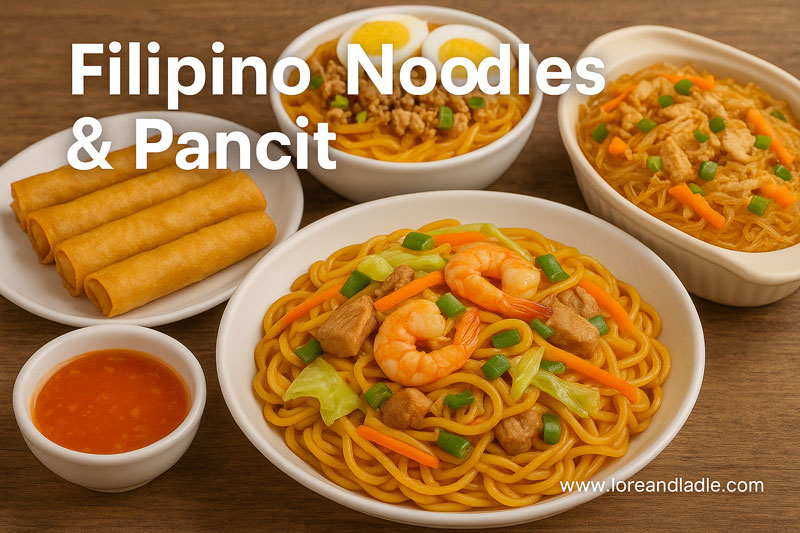
Pancit bihon is a Filipino stir-fried noodle dish. It uses bihon, which are thin rice vermicelli noodles, as the silky base. The dish often features a light-to-moderate sauce, garlic for aroma, and a mix of vegetables for color and crunch. Common proteins include chicken, pork, shrimp, or a combination, along with occasional additions like small slices of calamansi, peas, carrots, and cabbage. The result is a balanced plate that offers softness from the noodles, bite from the vegetables, and savoriness from the protein and sauce. In America, cooks are embracing pancit bihon as a versatile option for weeknights, weekend meals, and special occasions, appreciating how it adapts to different flavors and ingredients while staying true to core characteristics: a noodle-centered stir-fry, a gentle glaze, and a bright finish.
Flavor Profile and Key Characteristics
Pancit bihon presents a harmony of flavors. Savory notes come from soy or fish sauce, while a hint of sweetness sometimes arrives from a small amount of sugar or caramelized onions. Garlic provides a warm backbone, and a touch of citrus—often calamansi or lemon—brightens the dish with a fresh zip. The aroma of a hot wok adds depth, inviting, almost comforting in its familiarity. Texture is a signature feature: the noodles are soft yet resilient, the vegetables stay crisp-tetched, and the protein remains tender. The color palette—pale noodles with colorful vegetables and browned bits of meat—offers visual appeal as well. When well-balanced, pancit bihon feels both light and satisfying, with each bite delivering a gentle mix of savoriness, brightness, and texture.
Textures and Visual Appeal
Texture is where pancit bihon shines. The noodles are delicate and pliable, absorbing sauce without becoming soggy. Vegetables like carrots, cabbage, and peas contribute crispness, color, and a fresh bite. Protein pieces should be tender rather than dry, ensuring every mouthful feels balanced. A well-executed pan toss creates small, caramelized edges on the meat and vegetables, adding depth without overpowering the overall flavor. The dish presents nicely on the plate: pale noodles intertwined with bright vegetables, specks of green, orange, and white, and a light gloss from the sauce. This combination makes pancit bihon visually inviting and pleasing to the eye as well as the palate.
Variations and High-Level Ideas
There are many ways to approach pancit bihon, especially in kitchens that experiment with flavors and ingredients. High-level ideas include:
– Protein options: chicken and/or shrimp for a lighter version; pork or tofu for different textures and flavors.
– Vegetable choices: classic combos like carrots, cabbage, and snow peas, or seasonal vegetables you have on hand.
– Sauce balance: a mild, soy-forward glaze with a touch of citrus; or a lighter version with broth and a gentle click of salt.
– Garnishes: fried garlic, sliced scallions, and a few sesame seeds for aroma and color; calamansi wedges on the side for brightness.
– Texture twists: a quick sear of ingredients to introduce extra color and a subtle crust, then finish with the noodles for a soft-satisfying contrast.
These options keep the dish flexible while preserving its core identity.
Techniques and the Wok
A good pan and consistent heat matter more than minute details. The key technique is high, even heat to achieve a light charring and a gentle gloss on the noodles. Each ingredient should have its own moment so flavors don’t blur. Garlic and onions are sautéed to release aroma. Proteins are cooked until just done, then set aside briefly to maintain moisture. Vegetables are added for a crisp-tinished bite and then returned to the pan with the noodles and sauce. The final toss should unify all pieces into a cohesive, glossy mass with a balanced sheen. These practical ideas emphasize the craft of stir-frying without requiring step-by-step instructions.
Occasions and Cultural Value
Pancit bihon has a presence on tables during many gatherings, from casual family meals to more festive occasions. The dish invites sharing and easy serving, making it a good fit for potlucks and family dinners alike. In homes, the act of preparing pancit bihon can be a collaborative affair, with family members contributing different elements to the dish. The sensory experience—the sizzling sound, the aroma of garlic and soy, the sight of colorful vegetables—helps create a sense of warmth and togetherness. While each kitchen may add its own touch, the dish remains a symbol of care and hospitality, a reminder of how food can bring people together around a common, comforting meal.
How People Enjoy It
People enjoy pancit bihon in various satisfying ways. Some like a bright dip of calamansi to brighten each bite. Others savor the dish with a light drizzle of soy sauce or a touch of chili oil for a gentle kick. A sprinkle of fried garlic or shallots adds crunch and depth. In American homes, pancakes bihon is often served with simple accompaniments such as fresh herbs, slices of lime, or a bouquet of quick pickles to contrast the soft noodles. Guests may choose to pair it with a side of dumplings, egg rolls, or a fresh cucumber salad to round out the meal. The beauty of this dish lies in its adaptability: it can be a quick weekday dinner or part of a larger, celebratory spread.
How to Make Authentic Pancit Bihon at Home that are trending in America
How to Make Authentic Pancit Bihon at Home that are trending in America centers on honoring flavor, keeping textures balanced, and embracing versatility. Start with a base of light, aromatically sautéed garlic and onions, then introduce protein and vegetables with care to retain their textures. Layer in a gentle sauce that marries soy, a touch of sweetness, and a hint of citrus for brightness. Toss in the bihon noodles at the right moment so they soften without becoming mushy. The result should be a cohesive dish with a delicate gloss and a pleasing, multi-dimensional flavor. This approach invites cooks to adapt ingredients to their pantry while preserving the essential character of pancit bihon. For home cooks exploring this dish, aim for harmony among the components, a balanced glaze, and inviting aromas that welcome bites. If you want to revisit the recipe approach, consider the principle of using high heat to achieve color and a wok-fried depth without overwhelming the noodles.
Conclusion
Pancit bihon offers a timeless combination of gentle textures, savory flavors, and bright accents. Its appeal in America reflects a broader love for flexible, comforting meals that can adapt to different tastes and occasions. By focusing on core characteristics—the delicate noodles, the balanced sauce, the role of crisp-tinished vegetables, and the warmth of a well-timed wok toss—this dish remains approachable for home cooks while still feeling special enough for gatherings. How to Make Authentic Pancit Bihon at Home that are trending in America is less about a strict recipe and more about a respectful approach to flavors and textures. It’s about feeding people with care and creating moments around the table that feel inviting, satisfying, and true to there being time to enjoy good food together.