
Why Sotanghon Guisado Is a Must-Try Filipino Dish to try this year in the U.S. – Introduction
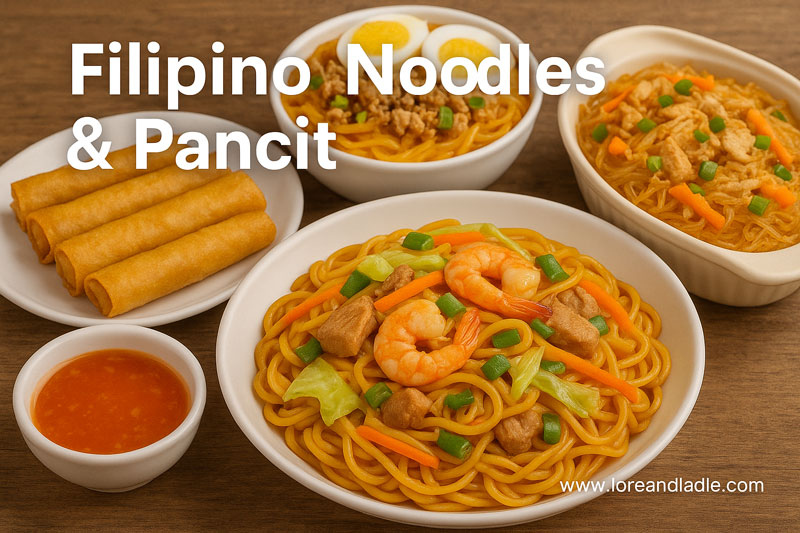
Sotanghon guisado is a gentle, satisfying stir-fry that uses glass noodles. The noodles are soft and slippery, yet they hold up well when tossed with vegetables and meat. The dish comes together quickly, making it a thoughtful option for weeknights or gatherings. In the United States, it has found a warm place on many Filipino restaurant menus and in home kitchens. Why Sotanghon Guisado Is a Must-Try Filipino Dish to try this year in the U.S. is not just about taste; it is about a familiar, comforting cooking style that welcomes everyone to the table. This article explores its flavors, textures, and the everyday moments it helps to create.
A plate of sotanghon guisado can feel like a bridge between seasons and textures. The dish is bright with garlic and onions, savory with soy sauce, and balanced with vegetables. It offers a combination of smooth noodles and crisp bite from vegetables. The result is a meal that feels kind to the palate and friendly to the cook. Why Sotanghon Guisado Is a Must-Try Filipino Dish to try this year in the U.S. reminds us that good food can come from simple ingredients prepared with care.
Flavor and Texture: The Heart of Sotanghon Guisado
The primary flavors in sotanghon guisado come from aromatics and a light sauce. Garlic and onions lead the aroma, followed by soy sauce and a touch of pepper. Some cooks add a hint of oyster sauce or a splash of fish sauce, which deepens the savor without overpowering the dish. The sauce is balanced, often with a touch of sweetness from vegetables like carrot. The dish remains savory and clean on the palate, letting the noodles carry the subtle richness.
Texture matters here in two ways. The glass noodles are inherently slippery and tender. When cooked with quick heat, they keep a gentle chew that contrasts with crisper vegetables. Carrots, cabbage, and mushrooms bring a pleasant crunch and earthiness. A well-made sotanghon guisado feels like a harmony of soft noodles and bright vegetables, with little pops of texture from each bite.
Why Sotanghon Guisado Is a Must-Try Filipino Dish to try this year in the U.S. also acknowledges the way the dish balances flavors. It relies on no heavy spices or overwhelming sauces. The beauty lies in the clarity of the ingredients and how they mingle in the pan. The result is a meal that tastes homey, inviting, and easy to share.
Key Characteristics and Techniques of Sotanghon Guisado
Sotanghon guisado has a few defining traits. It is quick to prepare, suitable for Busy days yet still special enough for a weekend dinner. The noodles are the hero, aided by a careful mix of proteins, vegetables, and seasoning. The dish highlights the Filipino appetite for balance—protein, produce, and seasoning in harmony.
- Protein options vary. Chicken, pork, or shrimp are common; tofu offers a vegetarian path. The protein is usually cooked first and then brought back into the pan with the noodles and vegetables.
- Noodles chosen are glass noodles, usually made from mung bean starch. They cook fast and soak up flavors nicely.
- Vegetables bring color and crunch. Popular choices include cabbage, carrots, and mushrooms. Green onions or scallions finish the dish with a fresh note.
- Seasoning centers on soy sauce and a little pepper. Some cooks add a splash of oyster sauce or a touch of sesame oil for depth. The goal is a savory, well-rounded profile.
- Finishing touches often include a quick toss to blend everything evenly and a garnish of green onions or fried garlic for aroma and texture.
A practical takeaway: treat sotanghon guisado as a flexible canvas. You can adjust protein, vegetables, and sauces to fit what you have on hand. This adaptability is one of its strongest charms.
Cultural Value and Shared Moments
Sotanghon guisado carries a gentle sense of family cooking. It appears in many households as a reliable dish for busy days and comforting evenings. The recipe often travels through generations in shared spaces like kitchens, potlucks, and community gatherings. It is a dish that invites people to cook together, talk, and enjoy a meal without ceremony.
The dish embodies hospitality. Offering a plate to someone is a simple gesture, a way to say, “You are welcome here.” It travels well from stove to table, from family home to community kitchen, carrying a note of warmth with every serving. Sotanghon guisado is easy to make in larger quantities, making it suitable for gatherings and celebrations where friends and relatives come together to share stories alongside a shared meal.
Why Sotanghon Guisado Is a Must-Try Filipino Dish to try this year in the U.S. can be seen in how it supports inclusive meals. It welcomes vegetarians and meat lovers alike, as long as the cook adapts the protein and vegetables. It demonstrates how a few humble ingredients can form a dish that feels both familiar and special. The dish invites curiosity in new diners and comfort in regular diners, providing a quiet stage for conversation and connection.
Occasions and Ways People Enjoy It
This dish fits a range of occasions. It works for weeknight dinners when time is short but flavor is important. It suits weekend family meals and contributions to potlucks or temple gatherings, where easy-to-share dishes are appreciated. It can be the centerpiece of a casual lunch with friends or a welcoming starter at a larger meal.
In homes and in restaurants across the United States, sotanghon guisado appears in various formats. Some people pair it with simple sides like steamed rice to add heft to a plate. Others savor it on its own, letting the noodles and vegetables speak for themselves. It is a dish that adapts to the mood of the moment—quiet and cozy on a simple evening, bright and communal during a celebration.
Why Sotanghon Guisado Is a Must-Try Filipino Dish to try this year in the U.S. often appears on menus as a reliable, approachable choice. The dish can be light enough for a warm day and hearty enough to satisfy a family meal. It supports a sense of togetherness, wherever people gather to enjoy good food.
Variations and High-Level Recipe Ideas
Sotanghon guisado invites creativity without losing its core identity. Here are high-level ideas you can explore:
- Protein paths: chicken, pork, shrimp, or tofu. Each choice brings a different flavor and texture. You can mix proteins if you like.
- Noodle notes: stick to glass noodles, but some cooks blend in thin bihon or other noodles for a different bite. The key is to keep the noodles soft and well-coated with the sauce.
- Vegetable accents: cabbage, carrots, mushrooms, snap peas, or bell peppers add color and bite. You can tailor these to the season or your pantry.
- Sauce ideas: soy sauce is the backbone. A touch of oyster sauce or sesame oil adds depth. A splash of broth can loosen the dish if needed.
- Heat and aroma: a little chili, white pepper, or black pepper adds warmth. Top with scallions or fried garlic for aroma and crunch.
- Vegetarian paths: use mushrooms for savor and add firm tofu for protein. A light vegetable stock helps the dish feel complete.
These variations keep the dish accessible while preserving its character. The flexibility is part of why Why Sotanghon Guisado Is a Must-Try Filipino Dish to try this year in the U.S. resonates with cooks who want flavor and ease together.
Serving Suggestions and Pairings
Serve sotanghon guisado with plain steamed rice to anchor the flavors. A simple side of cucumber or tomato salad can add a refreshing balance. For beverages, light options like calamansi juice, iced tea, or a neutral sparkling water complement the dish well.
When it comes to toppings, a sprinkle of chopped scallions or a drizzle of sesame oil can brighten the final plate. A small amount of fried garlic adds texture and aroma for those who enjoy a bit of crunch in every bite. The result is a well-rounded plate that feels inviting and complete.
Where to Find Sotanghon Guisado in the U.S. and How to Experience It Locally
Filipino restaurants in many U.S. cities often feature sotanghon guisado on their menus, particularly in places with vibrant Filipino culinary scenes. You can find it as a main dish or part of a larger shareable meal. Home cooks also bring this dish to potlucks, Family Dinners, and weekend gatherings, sharing the warmth of a simple, well-made stir-fry.
If you are curious to try it close to home, consider visiting A Filipino restaurant that emphasizes traditional flavors with a modern touch. A chef may add small twists—different vegetables, a new sauce balance, or a creative garnish—while maintaining the dish’s core essence. It is a dish that travels well in menus and on plates, inviting guests to discover a familiar taste in a new context.
Why Sotanghon Guisado Is a Must-Try Filipino Dish to try this year in the U.S. can be heard in conversations about comfort food and everyday cooking. It is a dish that demonstrates how simple ingredients can create a satisfying meal that feels both familiar and new.
Why Sotanghon Guisado Is a Must-Try Filipino Dish to try this year in the U.S. – Closing Thoughts
In many kitchens, sotanghon guisado stands as a mark of home cooking and shared meals. It is a dish that respects simplicity while delivering depth of flavor. Its textures invite savor in each bite, and its flexibility invites creativity at the stove. The dish is welcoming to cooks who are new to Filipino flavors and to anyone who enjoys a well-made stir-fry.
Why Sotanghon Guisado Is a Must-Try Filipino Dish to try this year in the U.S. reminds us that a well-prepared meal can be both easy and memorable. The noodles carry a light, savory profile; vegetables provide crunch and color; and protein adds substance. The dish is not flashy, but it is reliable. It invites you to slow down, share a plate, and appreciate the balance of ingredients and technique.
As you explore sotanghon guisado, you may find your own favorite tweaks. A little extra crunch, a touch more umami, or a brighter finish can become your signature. The key is attention to flavor, respect for the ingredients, and joy in the act of cooking. This dish invites you to gather, taste, and reflect on the simple pleasures of daily meals.
In the end, sotanghon guisado offers more than taste. It offers a sense of connection—the quiet pleasure of a well-made stir-fry and the warmth that comes from sharing food with others. Why Sotanghon Guisado Is a Must-Try Filipino Dish to try this year in the U.S. captures that spirit: a dish that is easy to love, easy to cook, and easy to share with friends and family. If you are looking for a Filipino classic with universal appeal, this dish deserves a place on your table this year and beyond.