
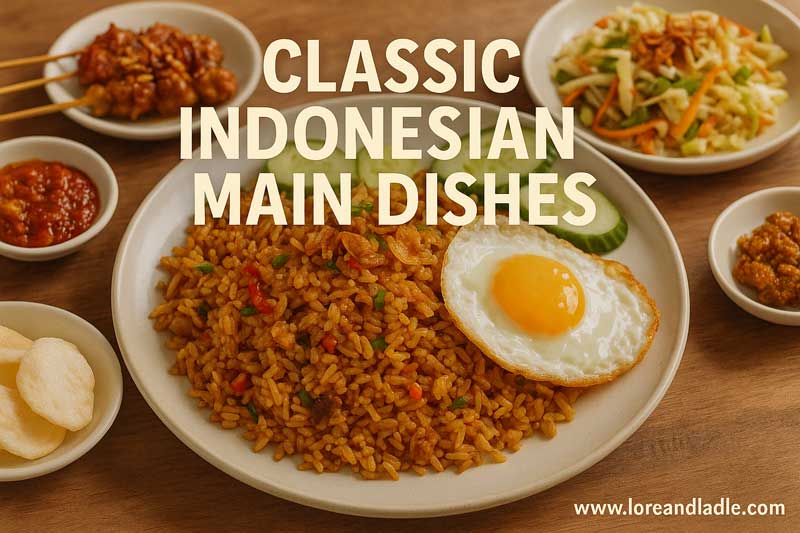
Nasi Goreng and Classic Indonesian Main Dishes Favorites for Indonesian Food Fans in the U.S.
Nasi Goreng stands at the center of Indonesian dining. It is more than a plate of fried rice; it is a celebration of quick craft, balanced flavors, and everyday creativity. For Indonesian food fans living in the United States, this dish carries a warm sense of home and a confident voice in the wider culinary scene. The post highlights its cultural value and culinary significance, while also inviting new cooks to explore its vibrant spirit.
The Heart of Nasi Goreng
Nasi Goreng begins with simple rice transformed by heat, aroma, and a touch of sweetness. A hot wok or skillet creates a bright, sizzling sound that signals wok hei—the breath of the wok. Garlic and shallots lead the flavor, while a kiss of sweet soy sauce brings depth. A hint of chili adds warmth, not overwhelming fire. Often, a crack of an egg, some chicken or shrimp, and crisp fried shallots finish the dish. These details matter: the dish embodies restraint and boldness at once. It is Comfort Food with a confident presence.
Core Ingredients and Techniques
The core is day-old rice, rolled in a quick, high-heat stir-fry. This gives each grain a distinct texture. Key seasonings include sweet soy sauce, tamarind or lime for brightness, and a touch of kecap manis for gentle sweetness. Optional shrimp paste or fermented aromatics deepen the savor without overpowering the dish. Fresh herbs or scallions brighten the finish. The technique rewards careful timing: add aromatics first, then the rice, then a final caramelized edge. Practicing this approach brings the dish to life with a clear, inviting aroma.
Cultural Value and Culinary Significance
Nasi Goreng mirrors Indonesian hospitality. It welcomes leftovers and turns them into something eagerly shared. It also demonstrates balance: heat from chili, sweetness from kecap manis, umami from aromatics, and acidity from lime or tamarind. This harmony mirrors the broader Indonesian kitchen, where many flavors mingle to form a gentle, lively overall mood. In gatherings, a pot of Nasi Goreng becomes a stage for conversation and shared enjoyment. The dish travels well in homes and small eateries, inviting cooks to improvise while honoring tradition. For many fans in the U.S., it becomes a link to cultural memory and a doorway to new culinary friendships.
Classic Indonesian Main Dishes Favorites
Here is a curated list of beloved Indonesian mains that often accompany Nasi Goreng in meals and celebrations:
- Rendang: A slow-cooked beef curry enriched with coconut milk and a fragrant spice blend. The meat becomes melt-in-your-mouth tender, and the aroma speaks of patience, care, and deeply layered flavor.
- Mie Goreng: Fried noodles seasoned with soy, garlic, vegetables, and eggs. It shares the fried-wavorite essence of Nasi Goreng but with a noodle foundation, offering another canvas for textures and balance.
- Ayam Goreng: Crisp, seasoned fried chicken. Marinade with garlic, coriander, turmeric, and pepper yields a golden crust and juicy meat, inviting a satisfying bite.
- Sate: Skewered meat grilled to smoky perfection, served with peanut sauce or other condiments. The grill flavor carries through to the plate, inviting leisurely enjoyment.
- Soto Ayam: A clear, comforting chicken soup that carries gentle warmth, herbs, and a touch of brightness from lime or lemongrass. It complements richer dishes with balance and ease.
These dishes illustrate the breadth of Indonesian cooking: they highlight technique, aroma, and a shared love of seasoning that enhances every bite. Each dish carries its own story of family kitchens, street stalls, and thoughtful Home Cooks who bring care to the stove.
Nasi Goreng in the U.S.: A Bridge Between Kitchens
In the United States, Indonesian cooks adapt with grace. Common ingredients are easy to find, and home cooks customize to fit pantry staples. The result remains true to Indonesian sensibilities: bright, savory, and comforting. Restaurants experiment with different proteins or vegetables while keeping the core flavors intact. Home cooks enjoy the freedom to rotate components, from seafood to tofu, without losing the dish’s signature mood. The act of cooking Nasi Goreng in the U.S. becomes an act of celebration—an invitation to share, learn, and savor together.
Conclusion: The Flavor of Togetherness
Nasi Goreng and its classic Indonesian main dishes offer more than taste. They present a philosophy of balance, generosity, and craft. The dishes invite cooks to respect tradition while embracing personal touch. They also invite diners to listen to the sizzle, to notice the aroma, and to savor the moment of shared meals. In the U.S., Indonesian favorites enrich the culinary landscape with warmth, skill, and a clear sense of place. The beauty of these dishes lies in their simplicity, their depth, and their welcoming spirit.