
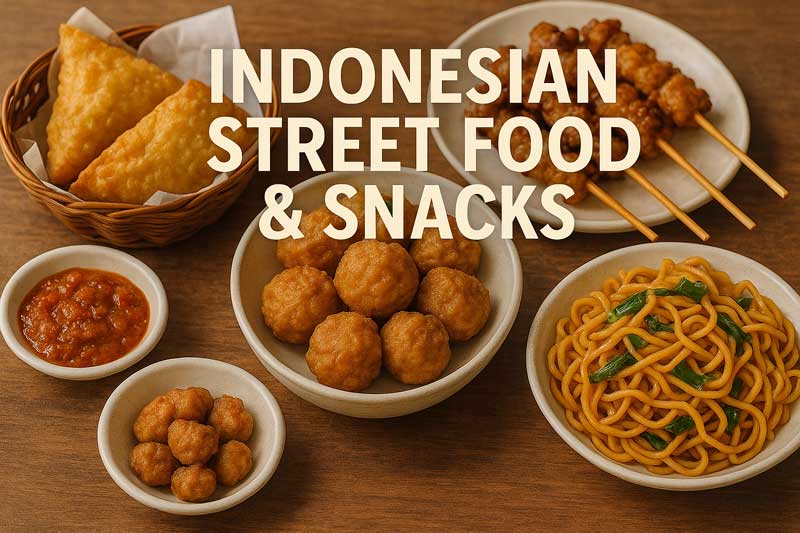
Ayam Bakar: A Grilled Jewel in Indonesian Street Food
Ayam Bakar is a beloved centerpiece in Indonesian street food culture. The dish features chicken that is marinated, grilled, and lacquered with a glossy glaze. The marinade often blends sweet soy sauce (kecap manis), garlic, shallots, coriander, and a hint of citrus or lemongrass. The result is a juicy interior with a caramelized, smoky crust. Each bite carries a balance of sweet, savory, and mildly tangy notes that reveal the depth of Indonesian seasonings. The aroma invites attention, and the presentation—glossy skin catching the light—appeals to the eye as well as the palate. Ayam Bakar is flexible in practice, adapting to different stove tops, grills, and charcoal flames, yet it remains faithful to its core pattern of bright marinade and careful, attentive grilling. In bustling markets, the sizzle and scent of Ayam Bakar draw neighbors, friends, and families into a shared moment of anticipation and delight.
Cultural Value and Culinary Significance
Ayam Bakar holds a warm place in gatherings and daily meals alike. It embodies the Indonesian spirit of hospitality, where food is a welcome invitation and a way to celebrate togetherness. The dish signals care: a patiently prepared glaze, a steady flame, and a bold, comforting flavor that invites conversation. Its preparation teaches technique—maintaining moisture, controlling caramelization, and achieving a balanced glaze that harmonizes with rice, fresh vegetables, and tangy sambal. The dish also echoes regional variations. From a slightly citrus-forward profile to a deeper, molasses-like sweetness, Ayam Bakar adapts to local tastes while preserving its essential identity. This flexibility shows how Indonesian street food embraces diversity within unity, offering a familiar touchstone for food fans who seek authenticity alongside playful experimentation.
The Marinade, The Grill, and The Skill Behind It
The marinade is the heart of Ayam Bakar. The blend of kecap manis, spices, and aromatics infuses the meat with color and depth. The grilling technique—often over charcoal—adds a smoke-kissed edge that no oven can easily replicate. Basting during the grill invites a layered glaze that thickens and glows, sealing in juices and building a tactile contrast between tender meat and crisp, lacquered skin. Skill comes from steady heat management and timing. The cook listens for a gentle sizzle, watches for slight caramelization, and adjusts distance from the flame as needed. This artistry makes Ayam Bakar not just a dish, but a small ceremony of patience, attention, and craft that celebrates the transformation from raw ingredients to a savory, aromatic triumph.
Sensory Richness: Aroma, Texture, and Color
Ayam Bakar delights the senses in multiple dimensions. The aroma blends smoky hints with caramel sweetness and a whisper of garlic. The color—a glossy, deep-golden hue—signals the glaze’s sugar works and the meat’s even cooking. The texture offers a contrast: a crackly, lacquered skin yielding to juicy, tender meat inside. Each bite releases a cascade of flavors—savory, sweet, and a subtle tang—creating a memorable eating experience. Pairings across Indonesian street food culture often enhance this interplay: crisp vegetables, fresh herbs, and a bright sambal can lift the plate and complement the chicken’s richness. The dish thus becomes a canvas for personal taste, inviting cooks to adjust heat, sweetness, and acidity to their preference while preserving the dish’s essential spirit.
A Palette of Indonesian Street Food and Snacks
Ayam Bakar coexists with a lively family of street foods and snacks. Favorites include savory martabak with a tender filling, gado-gado with peanut sauce, and kisar-style skewers that share the same love of bold sauce and careful grilling. Crunchy krupuk crackers, fried bananas, and nasi goreng fried rice frequently appear nearby, offering a complete snapshot of Indonesian street flavors. Each item contributes to a broader conversation about balance, texture, and aroma. Taken together, these foods form a vibrant palette that showcases how Indonesian cooks layer sweetness, heat, acidity, and savoriness in inventive ways. The result is a street food culture that feels warm, welcoming, and endlessly inventive.
In the United States: Sharing the Flavor
For Indonesian food fans in the United States, Ayam Bakar and its street food companions function as touchpoints for shared meals and celebrations. Markets, pop-ups, and restaurants showcase the dish with the same care and technique found in Indonesia, while adapting ingredients for local availability. Home cooks experiment with grill setups, smoke exposure, and marinades, preserving cultural flavor while exploring new kitchen environments. This exchange enriches the dining experience, turning a simple grilled chicken into a bridge between tastes and communities. The result is a growing appreciation for Indonesian street food that respects tradition while inviting discovery.
Serving Traditions and Enjoyment
Ayam Bakar is commonly served with steamed rice, vibrant vegetables, and a tangy sauce or sambal on the side. A squeeze of lime or a dab of chili paste can elevate the dish further, depending on taste. The serving style emphasizes balance: meat, starch, and freshness come together to form a complete plate. This approach mirrors many Indonesian meals, where a thoughtful combination of textures and flavors creates a satisfying, harmonious eating experience.
A Welcoming Invitation to Explore
Ayam Bakar and Indonesian street food favorites offer more than taste. They present a mindful approach to cooking—one that values technique, aroma, and the joy of sharing a meal. If you are exploring Indonesian Flavors in the United States, seek out vendors and cooks who honor the glaze, the grill, and the balance of sweet, savory, and bright notes. You will find a welcoming culinary world where Ayam Bakar shines as both a familiar favorite and a doorway to new discoveries. Welcome the sizzle, savor the glaze, and enjoy the rich texture and aroma that make this dish a signature of Indonesian street food culture.