
Introduction
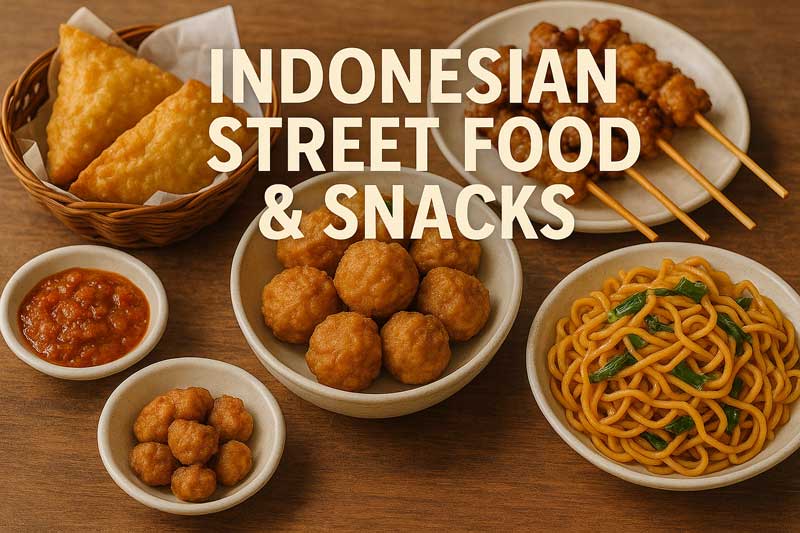
Easy Indonesian Street Food & Snacks invites you to the heart of Java, where Gudeg Jogja shines as a timeless emblem of taste and tradition. This dish, beloved by takeout lovers and curious eaters alike, offers more than a meal. It opens a window into a region’s rhythms, from early-market buzz to family kitchens where patience and care shape every pot. Gudeg Jogja blends sweetness, creaminess, and depth into a single, memorable bite. It is a celebration of texture, aroma, and the generous spirit of Javanese food culture.
Gudeg Jogja: a slow-cooked treasure
Gudeg begins with young jackfruit, known as nangka muda. The fruit is shredded and simmered slowly in coconut milk with palm sugar and a blend of spices. The result is a dark, glossy ragu-like stew that is sweet, savory, and richly fragrant. The cooking time can stretch for hours, allowing the jackfruit to soak up the flavors and achieve a tender, pull-apart texture. The dish is traditionally paired with steamed rice, and it is often accompanied by toppings such as telur (boiled eggs) and occasionally ayam suwir (shredded chicken) or tempeh. A separate, spicy accompaniment called krecek—crispy cow skin in a hot, peppery sauce—adds a welcome contrast in texture and heat. Together, these elements create a harmonious balance of flavors: the mellow sweetness of the jackfruit, the creamy coconut, the salt from the seasoning, and the bright kick from the chili sauce.
Cultural value in Jogja’s culinary rhythm
Gudeg Jogja stands as a quiet pillar of Central Java’s food culture. It embodies patience and tenderness in cooking, values that are admired in the region’s daily life. The dish is a thread in the tapestry of family meals, community gatherings, and festive menus. It is common to see gudeg prepared for special occasions, then shared with neighbors and guests as a gesture of hospitality. The process invites communal participation—from the careful selection of nangka muda to the slow simmer that fills the kitchen with a layered aroma. Serve it on banana leaves or wide ceramic plates, and you glimpse a respect for tradition that honors seasonings, technique, and the joy of sharing a meal with others. Gudeg is more than sustenance; it is a sensory ritual that connects people to place, season, and memory.
Takeout-friendly traditions: enjoying Gudeg on the go
Takeout lovers will find Gudeg Jogja adapts beautifully to a portable format. The dish travels well because its flavors deepen over time, and the components can be kept separately to preserve texture. A well-packaged gudeg set typically includes the main stew, a portion of rice, and the toppings—eggs, ayam suwir, or tempeh—and a small side of krecek. The key to a satisfying takeout experience is thoughtful packaging that preserves heat and texture while making the meal easy to reheat and enjoy. For home reheating, gently warm the gudeg in a pot with a splash of coconut milk or water to restore its creamy consistency, then add the toppings at the end to retain their texture. When possible, keep the krecek separate to retain its crisp, spicy bite. This approach lets takeout lovers savor the dish much as it would be enjoyed straight from the kitchen, with minimal compromise to flavor and aroma.
Regional flavors and variations within a shared love
Across Central Java, gudeg can take on subtle regional notes while staying true to its core identity. Jogja’s gudeg tends to emphasize a rich, coconut-laced sweetness balanced by salty, savory accents. Some versions lean into a lighter sweetness, while others feature a deeper caramel note from palm sugar. Variations with eggs or shredded chicken provide a gentle protein counterpoint to the tender nangka. The addition of krecek introduces a spicy, meaty dimension that many fans associate with a complete gudeg experience. Each iteration reflects the local palate, the cook’s hands, and the moment of preparation, reinforcing gudeg’s role as a shared cultural treasure.
Flavor profile: a concise map of sensations
- Sweet and creamy: coconut milk softens the jackfruit, creating a comforting, comforting base.
- Savory depth: salt, spices, and palm sugar build a balanced, rounded sauce.
- Aromatic lift: garlic, shallots, lemongrass, galangal, and daun salam contribute nuanced perfume.
- Textural harmony: tender nangka contrasts with crisp krecek and smooth rice.
- Gentle heat: chili in the accompaniment adds warmth without overpowering the dish.
This balance is at the heart of gudeg’s appeal. It invites lingering in the mouth and a sense of satisfaction that comes from a well-made, slow-cooked dish. For takeout lovers, the same balance travels well, offering a dependable, comforting meal that rewards gentle reheating and thoughtful pairing.
Pairings and companions that enrich the experience
Gudeg pairs beautifully with simple, starchy accompaniments. White rice or sticky rice is a classic foundation, letting the sauce shine. Slices of fresh cucumber or pickled vegetables add a crisp contrast. If you choose the traditional topping of krecek, you will enjoy a peppery bite that complements the sweetness. Eggs offer a mellow, creamy counterpoint, while ayam suwir or tempeh brings a protein element that rounds out the meal. In a street-food context, these elements come together in a way that highlights balance, texture, and the joy of sharing a hearty plate with friends and family.
How to savor Gudeg Jogja at home or on the go
- Start with a clean plate and steady steam.
- Place a bed of rice, then spoon gudeg over it.
- Add eggs and/or chicken or tempeh, followed by a touch of krecek if you like heat.
- Sip a little chili sauce on the side for a bright kick.
- If takeout, reheat gently so the sauce remains creamy and the toppings stay intact.
This approach honors the dish’s intention: a thoughtful, satisfying meal that invites slow enjoyment rather than quick consumption.
A respectful, inviting takeaway mindset
For takeout lovers, Gudeg Jogja offers a hospitable, culturally rich option. The dish travels with care, inviting appreciation for the craft of slow cooking and the generosity of sharing a meal. The sensory journey—from the warm aroma that opens the dining experience to the tender texture and layered flavors—speaks to a culinary heritage that values simplicity, balance, and community. By choosing gudeg in takeout form, you become part of a gentle, flavorful exchange that honors tradition while fitting the pace of modern life.
Conclusion: a beautiful thread in Indonesian street food
Gudeg Jogja is a prime example of how Indonesian street food can be both accessible and deeply meaningful. Its cultural value lies in the patience it embodies, the communal joy it fosters, and the way a single pot can tell a story of place, season, and care. For takeout lovers, Gudeg offers a to-go experience that remains faithful to its roots: a dish prepared with heart, shared with warmth, and savored with gratitude for the culinary artistry of Java. Through Gudeg Jogja, we glimpse a vibrant food culture that cherishes simplicity, depth, and the quiet beauty of a well-made meal.