
Ayam Kecap: A Window into Indonesian Street Flavor
Ayam Kecap is more than a recipe; it is a lens into how Indonesians understand balance, aroma, and hospitality. The dish centers on chicken simmered in a glossy, fragrant sauce built from kecap manis, garlic, shallots, and a hint of ginger. In a single skillet, the meat browns to a tender texture, then embraces a lacquer of sweet-savory sweetness. The result is inviting, with the fragrance alone inviting a crowd to the table. This dish sits at the crossroads of home cooking and street food, celebrating everyday meals as moments of shared joy. It is a gentle reminder that food can be both comforting and adventurous, familiar and surprising at once.
The Glaze: Kecap Manis and the Dance of Sweet and Savory
Central to Ayam Kecap is kecap manis, a thick, dark soy sauce with a pronounced sweetness and a silky mouthfeel. This glaze carries rich umami and a caramel-like depth, created by palm sugar or brown sugar and slow simmering. The sugar roundness balances the saltiness of soy, while garlic, shallots, and ginger lift the sauce with bright, aromatic notes. A touch of chili adds warmth, not just heat, allowing the glaze to cling to each piece of chicken. The sensory effect is a glossy sheen and a perfume that hints at Indonesian kitchens where fragrant ingredients mingle in the air. The glaze tells a story of patience and careful tasting, where sweet and savory arrive together in harmony.
Techniques that Elevate Everyday Cooking
The magic of Ayam Kecap lies in technique as much as in ingredients. Start with a hot pan to sear the chicken, sealing juices and developing a rich crust. Then, stir in minced garlic and shallots to perfume the oil. Deglaze briefly to lift fond from the pan, which adds depth to the sauce. Next, pour in kecap manis with a splash of soy sauce and just enough water to create a sauce that thickens as it bubbles. Simmer gently until the chicken is tender and the glaze sticks to the surface. Finish with a quick toss to recoat every piece. This method emphasizes quick, confident motions and a balance between heat, timing, and flavor development.
Cultural Value: Food as Conversation, Hospitality, and Everyday Life
Ayam Kecap embodies a culture of hospitality and everyday ritual. The dish is often prepared for family meals, friendly gatherings, or a casual weekend feast. Its preparation invites participation—hands chop, stir, and taste—turning cooking into a shared activity. In many households, the aroma signals welcome; guests are invited to sit, eat, and chat as the sauce thickens. The dish respects the rhythm of daily life—simple ingredients elevated with careful technique. It is a reminder that great flavor can grow from modest means, and that meals become memories when prepared with care and shared with warmth.
Street Food Favorites: A Quick Tour of Indonesian Snack Pairings
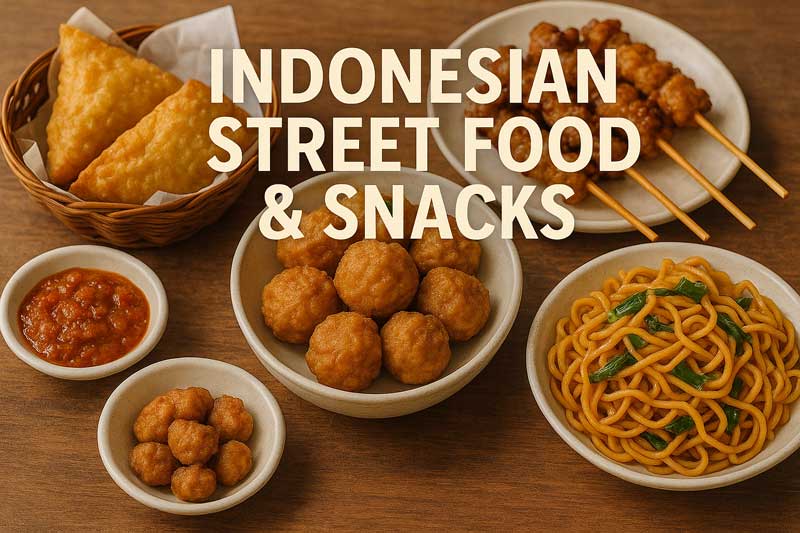
Ayam Kecap sits happily alongside a wider spectrum of Indonesian street eats. Think of fragrant satay skewers catching a smoky kiss, bakso bowls with clear broth, and crunchy gorengan varieties that crackle with first bite. Tempe and tahu, stir-fried with chili and herbs, offer textural contrast to a glossy chicken dish. Nasi goreng, with its caramelized edges and savory kiss of soy, presents a companion plate that brings rice to life. Together, these items reveal a street food culture that thrives on variety, balance, and the joy of tasting many small, flavorful experiences in one sitting. Ayam Kecap plays its role as a comforting centerpiece that anchors a lively procession of bites.
From Market Stalls to Home Kitchens: The Indonesian Kitchen Rhythm
Indonesia’s street food world shines in markets, but its influence travels well beyond stalls. The same glaze and balance in Ayam Kecap appear in home kitchens where cooks adapt the technique to family favorites. Market freshness—garlic with a peppery bite, shallots with floral notes, and bright herbs—drives the flavor. Home Cooks savor the practical elegance of turning a few everyday items into a dish with depth and presence. This rhythm—market hustle, home simmer, and shared meals—forms the heartbeat of Indonesian cooking. It teaches that culinary tradition is not a museum piece but a living practice, continually refreshed by cooks who honor the past while inviting new tastes.
Bringing Indonesian Flavor to the United States: Practical Tips and Joyful Adaptations
For readers in the United States who cherish Indonesian flavors, Ayam Kecap is accessible and adaptable. Seek kecap manis in Asian markets or online, and keep a bottle on hand for more than one dish. If kecap manis is hard to find, blend one part soy sauce with two parts brown sugar or palm sugar and a touch of molasses to mimic the thickness and sweetness. Fresh garlic, shallots, and ginger are indispensable; use them generously for fragrance. When you cook, use a hot pan to seal the chicken, then reduce the sauce to a glossy glaze. Serve with steamed rice and a crisp cucumber salad to balance sweetness with freshness. Finally, remember that the dish shines in shared meals—the table becomes a stage for conversation, laughter, and the quiet beauty of well-made food.
Ayam Kecap and Indonesian street food favorites invite us to celebrate flavor as a cultural practice. The dish stands as a gentle ambassador of Indonesian culinary philosophy: respect for simple ingredients, precision in technique, and joy in gathering around a shared meal. In every bite, there is a story of balance, warmth, and community that transcends borders. For anyone curious about how a single skillet can convey an entire way of eating, Ayam Kecap offers a delicious, unpolitical invitation to explore Indonesian food culture with openness, curiosity, and appreciation.