
Introduction
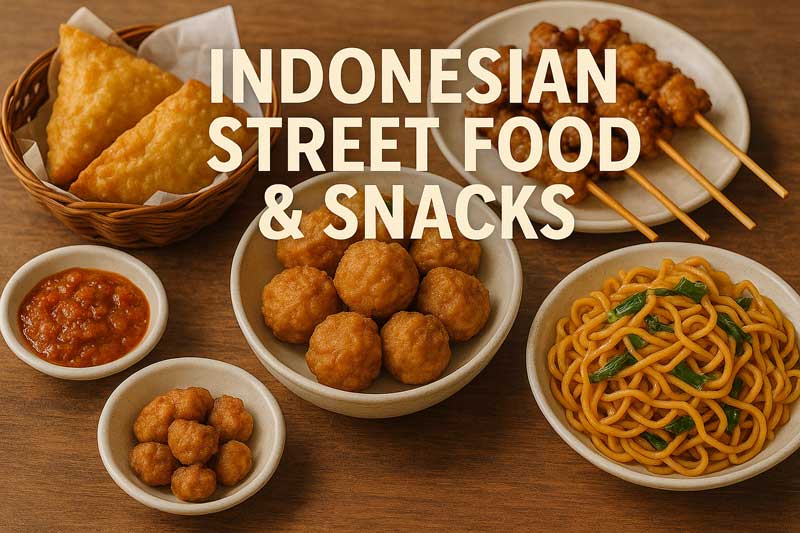
This post introduces the collection titled “11 Indonesian Street Food & Snacks to Try If You Love Bold Indonesian Flavor.” It is a celebration of a living food culture that thrives in markets, stalls, and family kitchens. Each dish offers a flavor profile that signals place, patience, and shared meals. Here, the focus is on cultural value and culinary significance, highlighting how these bites reflect Indonesian ingenuity, regional identity, and the joy of gathering around a street-side flame or a bustling counter. Expect brisk guidance on why these foods matter, how they are made, and what they teach us about Indonesian hospitality and taste.
1) Satay (Sate)
Satay is a universal street favorite across the archipelago, each skewered piece telling a regional story. Meat is marinated, grilled over charcoal, and finished with a peanut or spicy sauce. The method itself is social: vendors flip skewers, friends share sauce, and families savor a quick, satisfying meal after work. Satay embodies balance—char, tenderness, and the nutty sweetness of peanut sauce. It reveals how grilling and seasoning travel hand in hand with community habits, from street corners to festival tables. This simplicity carries deep cultural meaning: a shared bite that invites conversation and connection.
2) Nasi Goreng
Nasi goreng is more than fried rice; it is a narrative of daily life. This dish blends fried rice with kecap manis, garlic, onions, and optional toppings like egg or meat. In street stalls, it adapts to what is on hand, turning leftovers into a comforting, robust meal. Its cultural significance lies in adaptability and hospitality. Families prepared this dish for late nights and early mornings alike, making it a bridge between households and public spaces. The result is a versatile canvas for bold flavors, celebrating thrift, skill, and shared eating.
3) Bakso
Bakso is a comforting meatball soup that fills street bowls with warmth and aroma. Ground beef or chicken is seasoned, kneaded, and formed into spheres, then simmered in a savory broth. Street vendors serve it with noodles, tofu, and herbs, creating a nourishing, approachable bite. Bakso reflects Indonesian ingenuity in turning everyday ingredients into a fragrant, satisfying meal. It also highlights the social ritual of waiting in line, grabbing a cup of broth, and sharing a moment over a steaming bowl.
4) Siomay Bandung
Siomay Bandung sits at the crossroads of tradition and adaptation. Steamed dumplings, often made with fish or pork, arrive with a peanut sauce and lime-chili drizzle. The dish showcases Chinese-Indonesian culinary fusion that thrives on balance and texture. Its cultural value lies in how families and vendors adapt recipes to local markets while preserving core techniques. Each bite offers a light, savory sensation and a reminder of how market life fosters creativity and cross-cultural exchange through food.
5) Martabak Manis (Sweet Martabak)
Martabak manis is a festival of sweetness and texture. A thick, fluffy pancake is filled with chocolate, cheese, peanut, or fruit, then folded into a warm, indulgent square. In street scenes, martabak is a late-evening treat shared among friends and loved ones. Its culinary significance comes from the theatrical cookery—pouring batter on a hot skillet, watching it puff, and finishing with a generous topping. This dessert embodies joy, creativity, and the way bold flavors can be a communal celebration.
6) Martabak Telur (Savory Martabak)
Savory martabak is a hearty, egg-rich pancake folded with minced meat, onions, and spices. It travels well on a busy street and feeds groups with satisfying, robust notes. The dish highlights Indonesian skill in layering flavors—savory, spicy, and aromatic—that come together quickly at street counters. Beyond taste, martabak telor signals how street food supports family incomes and neighborhood commerce, offering a portable, shareable focal point for gatherings and conversations.
7) Kerupuk (Crackers)
Kerupuk adds crunch and contrast to meals, with shrimp, fish, or plant-based varieties. These crackers are often fried to a delicate crackle and eaten as a side or snack. Culturally, kerupuk represents texture as a language—an element that completes a meal and invites dipping, dunking, and social eating. The diverse flavors and shapes reflect regional producers, local ingredients, and the adaptability of Indonesian snacks. A simple bite, but a key role in how flavors play out on a crowded table.
8) Es Cendol (Iced Cendol)
Es cendol is a cooling, fragrant treat that mingles pandan jelly, coconut milk, and palm sugar syrup over ice. It embodies the Indonesian love of refreshing, balanced drinks that pair sweet with a hint of earthiness. Street vendors craft es cendol with care, turning a cup into a small ritual of relief on a hot day. Its cultural significance lies in how beverages accompany meals, festivals, and market visits, reinforcing community as a shared, sensory experience.
9) Pempek Palembang
Pempek Palembang is a distinctive fish cake dish from Palembang. It blends fish paste with tapioca, then serves with a tart, spicy vinegar sauce. The contrast between chewy interior and crisp exterior mirrors regional culinary identity. Pempek demonstrates how seafood, starch, and bright acidity can create bold, memorable flavors. It also highlights craft in shaping delicate doughs and frying techniques that vendors perfect for a quick, satisfying bite during busy hours.
10) Rujak Buah
Rujak buah is a lively fruit salad drenched in a spicy-sweet sauce made from palm sugar, tamarind, and chilies. This dish celebrates fresh produce and the skillful balance of heat and brightness. In markets and street corners, rujak invites people to choose seasonal fruit, share recipes, and adjust heat to taste. Its cultural value rests in how it encourages interaction, complements other dishes, and reveals the playful, artisanal side of Indonesian cooking.
11) Kue Cubit
Kue cubit is a tiny, quick-bake cake sold from street carts and small stalls. Batter is poured into mini molds and cooked swiftly, then topped with sweet sprinkles, cheese, or chocolate. This snack captures the youthfulness of street gastronomy and its ease of access for passersby and students. Kue cubit embodies speed, sweetness, and a sense of whimsy in everyday Indonesian eating. It also shows how bakery traditions adapt to mobile, street-based settings while keeping flavors bold and approachable.
Conclusion
Together, these 11 bites form a window into Indonesian street culture and culinary significance. They reveal how cooks in markets, homes, and neighborhoods shape bold flavors into shared experiences. Each dish carries history through technique, regional pride, and social joy. By exploring these foods, you glimpse how food can unite people, celebrate local ingredients, and honor the craft of cooking with fire, heat, and heart. This collection invites you to taste with curiosity, appreciate regional variety, and savor the beauty of Indonesia’s vibrant street food scene.