
Introduction
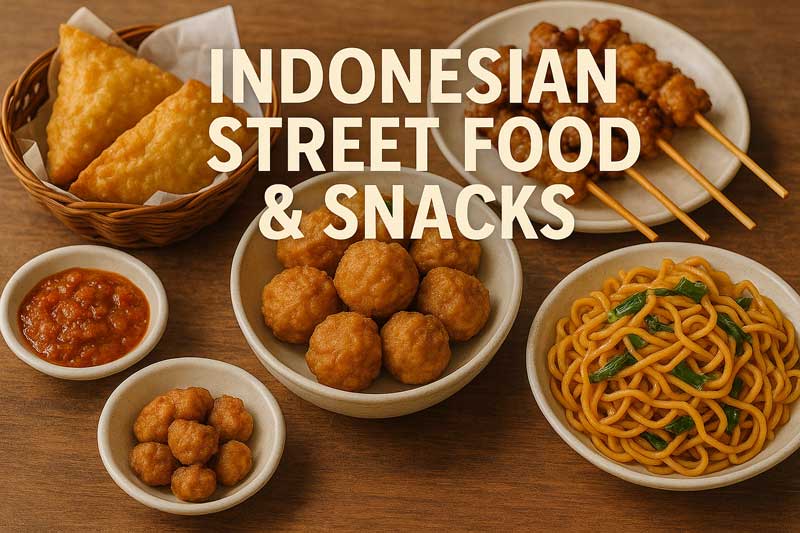
Meet Easy Indonesian Indonesian Street Food & Snacks: Indonesian Peanut Noodle Bowls and More for Takeout Lovers. This dish invites you to slow down and savor a moment of Indonesian street-life in a single, satisfying bowl. It honors the kitchen wisdom of bustling markets, where cooks balance flavor with speed and care. The peanut noodle bowls blend familiar comfort with bright, adventurous notes, making them a welcoming entry point for anyone curious about Indonesian cuisine. The offer stands for takeout lovers, yet the heart of the dish lies in its cultural resonance: a festival of textures, aromas, and shared meals that reflect everyday hospitality and craft.
Cultural Value and Social Pulse
Indonesian street food is more than food; it is a daily ritual. Vendors greet neighbors by name, heat wells up from a skillet, and a friendly exchange turns a quick bite into a moment of connection. The Easy Indonesian Indonesian Street Food & Snacks concept captures this social pulse in a portable, approachable form. The bowls are designed for takeout, but they carry a sense of place—the hum of a busy street, the scent of roasted peanuts, the gleam of fresh herbs, and the rhythm of friends and families gathering around a table, even when the table is a wooden bench, a sidewalk, or a shared kitchen counter.
The peanut sauce at the core of these bowls embodies a cultural conversation. Peanuts, garlic, chilies, and palm sugar come together in a harmony that prizes balance: sweet yet savory, nutty yet bright, thick but not heavy. This balance reflects a common Indonesian culinary aim: to coax depth and warmth from simple ingredients, turning everyday cooking into an act of care. The bowls also celebrate a pantry of textures—soft noodles, crunchy vegetables, and a sprinkle of fried shallots or crushed peanuts—that mirrors the Indonesian love of contrasts and layers in flavor and mouthfeel.
In addition, the dish honors hospitality in food presentation. Indonesians often present meals in generous, colorful layers, inviting others to mix, taste, and adjust. This instinct translates beautifully into a takeout format, where the sauce is invited to meet the noodles just before eating, and toppings invite a final crumble of brightness. The result is not just sustenance; it is a taste of Indonesian life—friendly, generous, and crafted with attention to detail.
Culinary Significance and Flavor Philosophy
The culinary significance of this dish lies in its ability to convey a regional culinary language through a single bowl. The peanut sauce, a staple in many Indonesian kitchens, is a study in depth. Roasted peanuts form the core, but the magic comes from the careful layering of aromatics: garlic, shallots, and chilies provide warmth and glow; palm sugar supplies a nuanced sweetness that does not overwhelm; lime or tamarind adds bright acidity that lifts the sauce; and a dash of salty soy or kecap manis deepens the finish. When these elements meet noodles—often rice noodles, though some versions use glass noodles or egg noodles—the result is a versatile vehicle for taste memory.
Texture is equally important. The dish invites a tactile journey: silky noodles, crisp vegetables, a creamy-silky sauce, and a final crunch from crushed peanuts or fried onions. This combination is more than delicious; it demonstrates a thoughtful approach to street-food technique. The balance of creaminess and bite mirrors Indonesian culinary philosophy: flavors should be accessible, yet complex enough to reward attentive eating. By showcasing this balance in a portable form, the dish helps bring Indonesian culinary values to homes and workplaces around the world.
Regional spices and heat preferences further enrich the culinary significance. Some bowls lean toward a gentle warmth with subtle chili notes, while others boast a lively fire that awakens the palate. The option to tailor heat and sweetness respects local tastes and personal comfort levels, underscoring the dish’s inclusive, adaptable spirit. In this way, Easy Indonesian Indonesian Street Food & Snacks becomes a bridge between tradition and modern living, preserving essential flavors while welcoming new eaters to the table.
Key Ingredients and Techniques
A successful peanut noodle bowl depends on two things: a well-made sauce and well-prepared noodles. Here are the core elements and the simple techniques behind them.
- Core sauce: roasted peanuts form the base, blended with garlic, red chilies, and a touch of shallot. Palm sugar provides warmth, while tamarind juice or lime juice adds a bright tang. A splash of soy sauce or kecap manis rounds out savory notes, giving a glossy finish that clings to the noodles.
- Noodles: soft, chewy noodles serve as an inviting canvas. Rice noodles are common in Indonesian-style bowls, but other noodle types can work, provided they absorb the sauce without turning mushy.
- Fresh and crunchy toppings: cucumber ribbons, bean sprouts, shredded cabbage, and chopped scallions brighten the bowl. A handful of fried shallots or crushed peanuts adds texture and aroma.
- Optional enrichments: a drizzle of coconut milk for creaminess, or a touch of tamarind for extra tang. Some versions include tofu or tempeh for protein and extra bite.
- Assembly technique: lightly warm the sauce so it loosens and coats the noodles. Toss the noodles with a portion of the sauce, then layer vegetables. Finish with the remaining sauce and toppings to preserve crispness and color.
Step-by-step approach:
– Toast peanuts until fragrant, then grind into a coarse meal.
– Sauté garlic and chilies briefly to wake their oils.
– Stir in palm sugar, lime juice, tamarind or extra lime, and soy or kecap manis.
– Blend to a smooth or slightly chunky sauce, adjusting thickness with a little water or coconut milk.
– Cook noodles to al dente, rinse lightly if needed to prevent sogginess.
– Layer noodles, sauce, vegetables, and toppings; finish with a bright squeeze of lime and a final crunch.
This method yields a glossy, coat-friendly sauce and a noodle bowl that travels well without losing its character. The result is a dish that travels with ease but tastes like a memory of a warm street corner, a reminder that good street food can be both comforting and elevated.
Regional Variations and Expressions
Indonesia’s vast archipelago gifts regional expressions that enrich the dish’s character. In Java, vendors may emphasize a sweeter sauce with subtle nutty notes, reflecting local tastes and palm sugar availability. In Sumatra, the heat can be more assertive, with bolder chilies and a touch of lime brightness to balance the spice. Bali’s version might lean toward coconut milk for a rounder body, along with fresh herbs like long coriander to lift every bite. In Sulawesi and Kalimantan, you may find variations that lean into sharper acidity or a nuttier finish, depending on local ingredients and creativity.
These regional voices converge in the Easy Indonesian Indonesian Street Food & Snacks concept, creating a flexible template that honors tradition while welcoming adaptation. The dish serves as a canvas for regional pride and culinary storytelling, inviting cooks and eaters to notice how small ingredient choices tell a larger story about place, season, and taste memory.
Takeout Design: Packaging, Layers, and Enjoyment
Because the dish is made with takeout lovers in mind, it is designed to travel well while preserving flavor and texture. The packaging strategy matters as much as the recipe itself.
- Sauce on the side option: this keeps noodles from absorbing liquid too quickly, preserving texture until the moment of mixing.
- Layering technique: place noodles first, followed by sauce in a separate cup or a distinct layer, with veggies tucked toward the top. This structure helps maintain crispness and color.
- Freshness on top: herbs, cucumber, bean sprouts, and fried shallots can stay vibrant when added just before eating.
- Safe transport: leak-proof containers and eco-friendly materials support a convenient, worry-free experience that respects both the consumer and the environment.
The result is a takeout bowl that feels almost as satisfying as a dine-in experience. The presentation remains bright and joyful, inviting a sense of sharing and discovery even when eaten in a quiet corner or on a park bench. This accessibility is a cornerstone of street-food culture, and the bowl embodies how Indonesian culinary craft travels with ease and grace.
Pairings, Garnishes, and Personal Touches
A successful bowl invites personal touches. Consider these simple enhancements to tailor the experience:
- Acids and herbs: a squeeze of lime or a splash of tamarind can brighten the sauce precisely at the moment of enjoyment.
- Crunch and contrast: a sprinkle of fried shallots, crushed peanuts, or toasted sesame seeds adds a satisfying crunch.
- Fresh greens: sliced cucumber, bean sprouts, or shredded cabbage contrast with the creamy sauce and provide refreshing balance.
- Beverages: a chilled herbal tea, jasmine tea, or iced citrus drink complements the nutty sweetness without overpowering it.
Such add-ons emphasize the social nature of Indonesian meals—people often tailor dishes to individual preferences, turning a simple bowl into a shared experience. The result is a dish that travels well, tastes authentic, and invites a moment of cultural appreciation in every bite.
The Beauty of the Dish in Food Culture
Beyond technique and flavor, this dish represents a cultural art: a way to celebrate warmth, generosity, and everyday ingenuity. It distills a world of street flavors into a single, friendly bowl. The beauty lies in its ability to translate a lively street scene into a meal that can be enjoyed alone or with others, at Home or on the go. It honors home kitchens, market stalls, and the creative spirit of cooks who blend tradition with modern convenience. In every spoonful, you can sense the rhythm of Indonesia’s food culture: the careful balance of flavors, the pride in a well-prepared sauce, and the joy of sharing something delicious with people you care about.
Conclusion
Easy Indonesian Indonesian Street Food & Snacks: Indonesian Peanut Noodle Bowls and More for Takeout Lovers offers more than a recipe. It is a doorway into Indonesian street-food culture, a celebration of peanut-rich sauces, and a testament to how traditional flavors can travel with ease. The dish invites taste, memory, and conversation. It respects the craft of the kitchen, honors regional variations, and provides a flexible, takeout-friendly format that stays true to its roots. For anyone curious about Indonesian culinary generosity, this bowl serves as an inviting, respectful introduction—beautiful in flavor, thoughtful in technique, and rich in cultural value.