
Gado-Gado Salad and Other Spicy Indonesian Dishes Loved in America
Gado-Gado is a bright, inviting Indonesian salad that has found a warm home on American menus and in home kitchens. It celebrates color, texture, and balance. In every bowl, crisp vegetables mingle with soft tofu or tempeh, hard-cooked eggs, and aromatic herbs. A generous drizzle of peanut sauce ties the plate together, adding depth and creaminess. This dish stands out for its harmony of fresh produce, protein, and a soulful sauce that sings with roasted peanuts, spices, and a touch of sweetness. Its appeal in America comes from its accessibility, flexibility, and the way it honors simple ingredients through thoughtful technique.
Beyond the salad itself, Indonesians also share a family-friendly approach to meals. Gado-Gado serves as a comforting example of how vegetables can shine when treated with care and balance. The dish invites people to taste the range of textures—crisp vegetables, tender potatoes, chewy tempeh, and creamy sauce—within a single bite. In kitchens and eateries across the United States, chefs adapt the recipe to available produce while preserving its distinctive essence. The result is a versatile dish that remains faithful to its roots while welcoming new flavors and techniques.
The Heart of Gado-Gado: Ingredients and Preparation
The core idea of Gado-Gado centers on fresh vegetables dressed with a luscious peanut sauce. Common components include blanched greens, cucumber, bean sprouts, steamed potatoes, carrots, and boiled eggs. Tofu or tempeh provides protein, and some versions add fried potatoes, tofu skins, or rice cakes for variety. The peanut sauce is the soul of the dish: roasted peanuts ground smooth, whisked with garlic, chilies, palm sugar, tamarind or lime for brightness, and a splash of soy sauce or sweet soy for depth. The balance matters. A well-made sauce is neither too thick nor too sweet; it clings to each vegetable with a comforting richness.
In practice, cooks assemble the salad first, lay out the vegetables in an appealing spread, and then finish with the warm, glossy sauce poured over the top. Some families heat the sauce gently to loosen it for even coating. Garnishes like crispy shallots, sliced chilies, and lime wedges brighten the plate and invite a playful, interactive dining moment. This simple method—fresh produce, thoughtful texture, and a luscious sauce—explains why Gado-Gado resonates so well with those new to Indonesian flavors and with longtime fans alike.
A Symphony of Textures and Flavors
Texture is a central character in Gado-Gado. The crunch of cucumber and bean sprouts contrasts with the tenderness of steamed potatoes and soft eggs. The tofu or tempeh adds a gentle chew, while the peanut sauce offers a creamy counterpoint. Flavorwise, the dish presents a pleasing spectrum: the nutty, roasted notes of the sauce meet the bright acidity of lime or tamarind, the savory depth of soy, and a friendly warmth from chilies. The result is a well-rounded bite that invites successive tastes, each layer revealing something new.
This culinary approach reflects a broader Indonesian philosophy of balance. Bright, fresh vegetables provide crunch and color; a rich sauce provides moisture and depth; and the arrangement of ingredients makes the dish visually inviting. In America, where diners value both healthful freshness and bold flavors, Gado-Gado delivers a vivid example of how Indonesian techniques can elevate everyday vegetables into a celebrated centerpiece.
Cultural Value: Shared Tables and Family Craft
Gado-Gado carries cultural value through its method and its social role. It is often prepared for gatherings, family meals, and celebratory occasions where a spread of colorful dishes invites sharing. The way cooks select seasonal produce, adjust sauces, and layer textures speaks to attention, care, and hospitality. The dish creates a sense of place and memory: a recipe passed along, tweaked for a new kitchen, and enjoyed with friends and loved ones.
In kitchens across the United States, this dish becomes a bridge between culinary traditions and everyday cooking. It demonstrates how a simple premise—combine vegetables with a peanut-based sauce—can yield something that feels both comforting and adventurous. The versatility of Gado-Gado also supports inclusive dining: it can be fully plant-based or feature eggs and dairy ingredients as preferred. This flexibility reinforces its role as a welcoming dish for diverse palates.
How Americans Embrace These Dishes in Kitchens and Restaurants
Indonesian flavors have found enthusiastic expression in American eateries and homes. In restaurants, Gado-Gado appears as a vibrant option on vegetarian menus, a centerpiece in tasting menus, or a colorful bowl in casual bowls-and-wraps concepts. Home cooks adapt the dish to what’s on hand, turning a pantry staple into a vivid plate. The beauty of the peanut sauce—its ability to pair with many flavors—helps cooks create variations that still feel distinctly Indonesian.
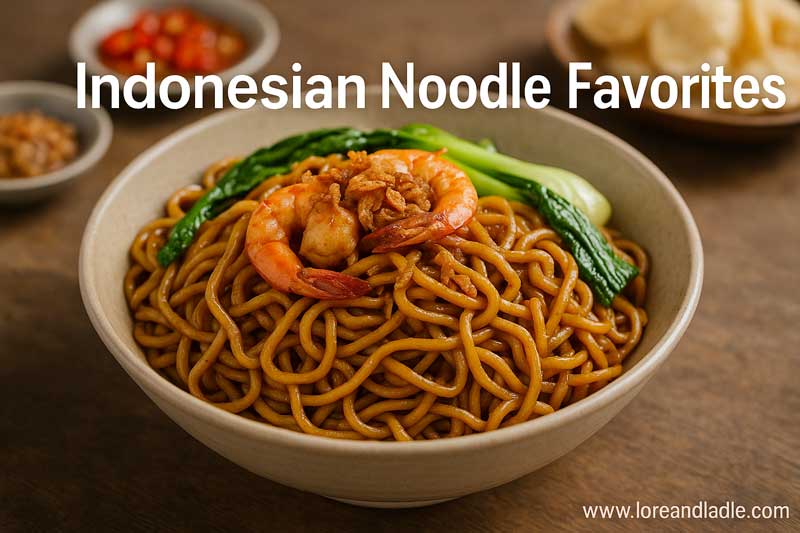
Beyond Gado-Gado, spicy Indonesian dishes like Nasi Goreng (fried rice), Mie Goreng (fried noodles), and Satay with peanut sauce have earned lasting affection in America. Rendang, a deeply aromatic slow-cooked beef curry, delights many for its complex spice profile and rich texture. Sambal, a versatile chili paste, adds heat and brightness to countless preparations. Americans enjoy these dishes for their bold aromas, balance of sweet, sour, and spicy notes, and the way each bite reveals layers of regional flavors.
The culinary significance of these dishes rests on technique and ingredient choice. Fresh herbs, aromatics like garlic and shallots, and a careful layering of spices create dishes that feel both comforting and exciting. The preparation often emphasizes time-honored methods—roasting, simmering, and careful seasoning—while welcoming creative twists in modern kitchens. This blend of tradition and experimentation makes Indonesian cuisine a lively subject for home cooks and professional chefs alike.
The Peanut Sauce: The Soul of Indonesian Flavor
The peanut sauce is the signature element that unites many Indonesian dishes. Its presence in Gado-Gado and Satay makes it instantly recognizable. A good sauce balances roasted peanut intensity with bright acidity, a touch of sweetness, and a savory backbone. Common ingredients include roasted peanuts, garlic, chilies, palm sugar, tamarind or lime juice, and soy sauce or kecap manis. The result is a glossy, creamy mixture that coats vegetables, meats, or skewers with warmth and depth.
Achieving the right texture is an art. The sauce should be smooth enough to cling to vegetables, yet not so thick that it feels heavy. A lively aroma comes from toasting the peanuts and aromatics. In America, cooks often tailor the sauce to local tastes—adjusting sweetness, spiciness, or acidity—while preserving its characteristic peanut-forward profile. This adaptability helps Indonesian flavors travel gracefully across kitchens and dining rooms.
Regional Variations and Seasonal Sways
Indonesia offers a rich tapestry of regional twists that influence Gado-Gado and related dishes. Some versions emphasize sweeter palm sugar and a more pronounced lime brightness, while others lean into a deeper, nuttier sauce with extra chilies. Vegetables can shift with the seasons: leafy greens in spring, sturdy boiled potatoes in cooler months, and an array of fresh herbs for aroma and color. In America, chefs celebrate these variations by featuring seasonal produce and showcasing local ingredients alongside traditional components. This openness to regional ingredients highlights the dish’s adaptability and its ability to reflect local flavors without losing its core identity.
Final Thoughts: An Invitation to Explore
Gado-Gado and other spicy Indonesian dishes offer a thoughtful, welcoming glimpse into a vibrant culinary culture. They celebrate color, texture, and balance while inviting cooks to experiment with ingredients and techniques. For readers curious about global flavors, these dishes are a gentle yet exciting entry point. They remind us that good food grows from careful preparation, respect for ingredients, and a shared love of eating together.
If you are exploring Indonesian cuisine in America, start with Gado-Gado as a colorful, flavorful anchor. Pair it with other spicy favorites, savor the peanut-sauce magic, and enjoy the conversation that happens around a table filled with bright vegetables and warm flavors. The beauty of these dishes lies in their ability to bring people together, one delicious bite at a time.