
Introduction: A Taste of Indonesian Coastal Culture
Ikan Bakar is more than a recipe. It is a warm invitation into Indonesian kitchen culture, where the grill and the fragrant bumbu bring communities together. This budget-friendly dish celebrates simplicity, resourcefulness, and shared meals. The smoky aroma, the bright heat of chilies, and the citrus kiss of lime reflect coastal wisdom that flavors daily life. When you make Ikan Bakar at home, you honor a tradition of turning affordable, accessible ingredients into a dish that feels festive and deeply rooted in Home Cooking.
The Core of Ikan Bakar: Flavor, Technique, and Balance
The soul of Ikan Bakar lies in balance. A clean, fresh fish meets a bold yet harmonious paste, then meets a hot grill that creates a lacquered, slightly charred skin. The bumbu—think shallots, garlic, turmeric, coriander, chili, lemongrass, lime leaves, and a splash of coconut milk or palm sugar—offers warmth, brightness, and a hint of sweetness. The grilling process unlocks smoky aromas that you simply cannot get from boiling or stewing. This is a dish that teaches patience and timing: a few minutes per side in steady heat to achieve a crisp exterior while keeping the flesh moist inside. The result is a dish that engages all senses and highlights the quality of the fish and the freshness of the aromatics.
Budget-Friendly, Home-First Approach
You can make Ikan Bakar without specialized ingredients or a large budget. Choose dependable, affordable fish options such as tilapia, mackerel, or small sea bass. Whole fish often costs less per serving and offers a satisfying texture and flavor. Use a straightforward bumbu paste with onion, garlic, shallot, turmeric, chili, salt, and lime or lemon juice. A touch of coconut milk or palm sugar adds depth, but you can omit them if they aren’t on hand. Marinade briefly, then grill over moderate heat to render a crisp skin without drying the flesh. If you don’t have a charcoal grill, a hot skillet, oven broiler, or a grill pan can yield a lovely char and similar flavor notes. Line the grilling surface with banana leaves or parchment to keep the fish moist and to impart a gentle fragrance. These practical choices keep the dish welcoming and accessible for Home Cooks.
Noodle Pairing: A Bridge to Indonesian Noodle Favorites
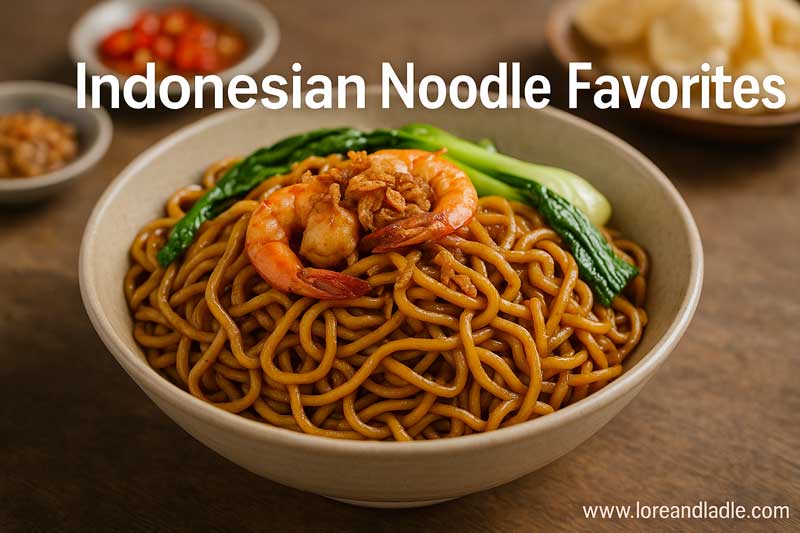
Although Ikan Bakar is often enjoyed with rice, it pairs beautifully with Indonesian noodle dishes, creating a delightful noodle-and-fish pairing that resonates with everyday eating. A simple plate of fried noodles (mie goreng) or a light noodle soup can become a balanced meal when you top or accompany it with smoky, garlicky grilled fish. The smoky, tangy notes from the fish contrast nicely with the savory depth of noodles and soy-based sauces. This harmony echoes the Indonesian kitchen principle of layering flavors across courses: a bright bite from the fish complements the comforting, familiar warmth of noodles. If you prefer a lighter pairing, serve the fish with plain steamed noodles tossed in a whisper of sesame oil and a squeeze of lime. The result feels like a respectful nod to both street-side grills and home dining rooms.
The Cultural Value of Ikan Bakar in Indonesian Foodways
Ikan Bakar embodies a culinary philosophy that values freshness, balance, and communal sharing. Across coastal and inland regions, fish on a grill appears at family meals, market stalls, and weekend gatherings. The dish teaches generosity: a single fish can feed several people when paired with rice or noodles, created with ingredients that are often already in the pantry. The bumbu brings regional character—varying notes of turmeric, ginger, lemongrass, and chilies reflect local harvests and tastes—while the grilling technique emphasizes patience and attention. This dish is a reminder that flavor can come from thoughtful, economical preparation rather than from opulent ingredients. In households across Indonesia, Ikan Bakar is not just supper; it is a small celebration of everyday life, inviting guests to linger, talk, and share a meal together. The method—grill, glaze, and savor—embodies a cultural appreciation for skill, aroma, and togetherness.
Aesthetic and Presentation: Simple Beauty at the Table
Beauty in Ikan Bakar comes from restraint and care. The fish should glisten with a lacquered, slightly charred skin, the bumbu clinging to every curve. Serve on a simple plate with a wedge of lime, a handful of fresh herbs, and a side of noodles or rice. The visual story is one of vibrant color and natural textures: the warm amber of the grilled skin, the bright green of herbs, and the pale white flesh inside. This understated presentation honors the dish’s autonomy and its ability to elevate humble ingredients into something memorable.
Tips for Keeping the Experience Authentic and Accessible
- Use a good habanero or local chili for a balanced heat. If you prefer milder heat, adjust the chili quantity or mix with bell pepper.
- Fresh lime or lemon juice brightens the finish. A splash at the end lifts the bumbu’s brightness.
- Banana leaves add aroma and help protect the fish; if unavailable, foil works well too.
- Marinate for at least 15–30 minutes, but even a brief marination enhances flavor.
- Pair with a simple accompaniment like sautéed greens or cucumber salad to echo the dish’s fresh balance.
Conclusion: A Dish that Glows with Culture and Craft
Budget-friendly Ikan Bakar at home offers more than a tasty meal. It provides a doorway into Indonesian culinary values: balance, warmth, practicality, and social connection. The dish teaches that comfort and culture can live in a single, well-cooked fish, seasoned with bright herbs and a touch of smoke. By embracing this approach, you honor a cuisine that celebrates everyday abundance, shared tables, and the joy of cooking with love. If you seek a meal that is inviting, respectful, and rich in flavor, Ikan Bakar welcomes you to explore its cultural value and culinary significance in your own kitchen.