
Introduction
Bold Indonesian flavor shines through a diverse family of noodle dishes. This post, centered on the concept of “9 Indonesian Noodle Favorites to Try If You Love Bold Indonesian Flavor,” invites you to explore dishes that carry culture in their steam, aroma, and texture. Each recipe reflects island-by-island creativity, seasonal ingredients, and everyday hospitality. Read on to discover how noodles connect people, place, and palate.
Mie Goreng
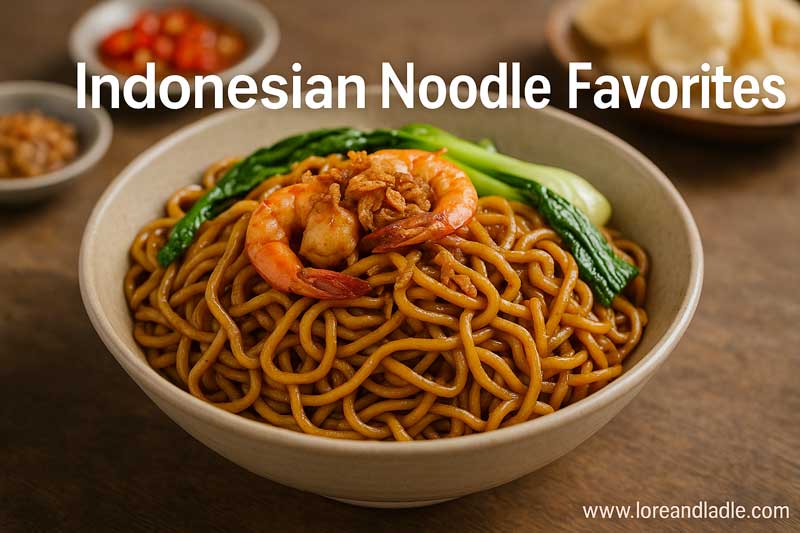
Mie Goreng is one of Indonesia’s most beloved street snacks and home meals. Its beauty lies in balance: savory soy sauce, a touch of sweetness from kecap manis, garlic, and fried shallots mingle with noodles and vegetables. This dish carries a sense of shared meals, where families or friends gather to stir and taste together. The result is a versatile canvas for regional twists, from adding shrimp to using different greens. Mie Goreng embodies how simple ingredients become a memorable, community-friendly flavor.
Mie Ayam
Mie Ayam is a cozy staple that showcases how texture and aroma shape cultural comfort. The noodles are topped with tender chicken, often accompanied by crisp fried wontons and a clear, bright broth or a glossy sauce. This dish travels easily from small hawker stalls to family kitchens, reflecting the skill of careful simmering and precise seasoning. Each bite blends the chew of noodles with the softness of chicken and the gentle lift of aromatics like garlic and sesame oil. Mie Ayam speaks to everyday eating as a mindful, satisfying ritual.
Bakmi Bandung
Bakmi Bandung highlights the fusion of tastes that characterizes many Indonesian noodle traditions. Yellow egg noodles mingle with a sweet-salty sauce, sometimes paired with chicken, beef, or vegetables. The dish carries a metropolitan spirit rooted in Bandung’s urban culinary scene, where Chinese influences meet Sundanese technique. Its bright, glossy finish and comforting richness reveal how families and restaurants craft a shared dish that feels both familiar and special. Bakmi Bandung is a refined yet approachable example of regional pastry-like noodles meeting home-style flavor.
Mie Rebus
Mie Rebus offers a warm, broth-forward interpretation of noodles that resonates with many households. The term “rebus” means boiled, and the dish delivers a clear, fragrant broth enriched with onions, garlic, and aromatics. Noodles soak up the broth, while toppings such as meat or egg add depth. This dish emphasizes the art of building flavor through simplicity and patience. It stands as a gentle reminder that broth-based noodles can be both nourishing and deeply satisfying in daily life.
Mie Aceh
Mie Aceh is known for its bold, spicy profile and rich coconut notes. The broth carries turmeric, chili, garlic, and spices that echo Aceh’s culinary traditions. Seafood, chicken, or beef can appear as hearty toppings, alongside fried shallots and fresh herbs. The dish reflects Aceh’s coastal bounty and its love of intense, comforting heat. Eating Mie Aceh is an invitation to explore a culture where warmth, spice, and depth come together in a single bowl.
Mie Celor
Mie Celor hails from Palembang and showcases coconut milk’s creamy, mellow power. Thick, yellow noodles absorb the velvety broth, which often features shrimp, eggs, and sometimes tofu. The dish’s origin in Palembang’s bustling river port spotlights how trade routes and sea harvests shape taste. Mie Celor balances richness with brightness, offering a sip of coastal Indonesian flavors in every bite. It highlights how region, technique, and seafood influence noodle cooking.
Laksa Betawi
Laksa Betawi adds a tangy-coconut harmony to Indonesia’s noodle spectrum. The broth blends coconut milk with tangy ingredients such as tamarind or lemongrass, producing a bright, comforting soup. Thick rice noodles carry the mood of Betawi kitchens, while toppings like chicken, fish cake, and boiled egg tell stories of pantry staples turned into celebration. Laksa Betawi blends regional ingredients with a universal love of a nourishing bowl, making it a favorite for communal meals and personal indulgence alike.
Mie Pangsit
Mie Pangsit blends noodles with crisp, fried wontons (pangsit) and a savory interplay of textures. The dish can be served dry with a glossy sauce or in broth, letting the dumplings provide a delicate contrast to the noodles. This combination reflects a hopeful spirit of fusion that many Indonesian kitchens cultivate—honoring traditional wonton technique while embracing new flavors. Each bite pairs the springy noodles with the satisfying crunch of fried dumplings, delivering a lively, shared eating experience.
Mie Kocok
Mie Kocok represents Bandung’s distinctive noodle character, where the act of mixing and emulsifying flavors matters as much as the ingredients themselves. The broth is clear and often bright with herbs, while beef or other toppings add heartiness. The “kocok” tradition—a light shaking or stirring before serving—invites you to participate in the preparation, turning a meal into a small, communal ceremony. This dish showcases how technique and texture elevate noodles into a memorable regional signature.
Conclusion
These nine Indonesian noodle favorites reveal a broad spectrum of culture, technique, and taste. Each dish carries a sense of place, from bustling street stalls to family kitchens, and speaks to the care people invest in everyday cooking. By exploring Mie Goreng, Mie Ayam, Bakmi Bandung, Mie Rebus, Mie Aceh, Mie Celor, Laksa Betawi, Mie Pangsit, and Mie Kocok, you glimpse how Indonesian flavors celebrate boldness and balance alike. The shared warmth of these bowls and plates invites you to savor not just a meal, but a living tradition of resilience, hospitality, and joy.