
Introduction
Tapsilog is a beloved trio on a single plate: tapa, sinangag, and itlog. It brings together the savory, the fragrant, and the comforting in one satisfying meal. The dish celebrates simple techniques and honest flavors. It is friendly to home cooks and welcomes fresh ideas. How to Make Authentic Tapsilog at Home to try this year in the U.S. is a phrase many home chefs may search for when they want to explore a new breakfast tradition. How to Make Authentic Tapsilog at Home to try this year in the U.S. can be a starting point for a calm weekend in the kitchen, a bright weekend brunch, or a thoughtful family breakfast.
The aroma of marinated meat, garlic rice sizzling in a pan, and a sunny fried egg can make morning feel special. This post keeps the focus on flavor, texture, and tradition without rushing through steps. You will find high-level ideas for ingredients and methods, along with ideas for enjoying tapsilog in homes across the United States. The goal is to honor a classic combination while inviting you to adapt it with care and curiosity.
What is Tapsilog?
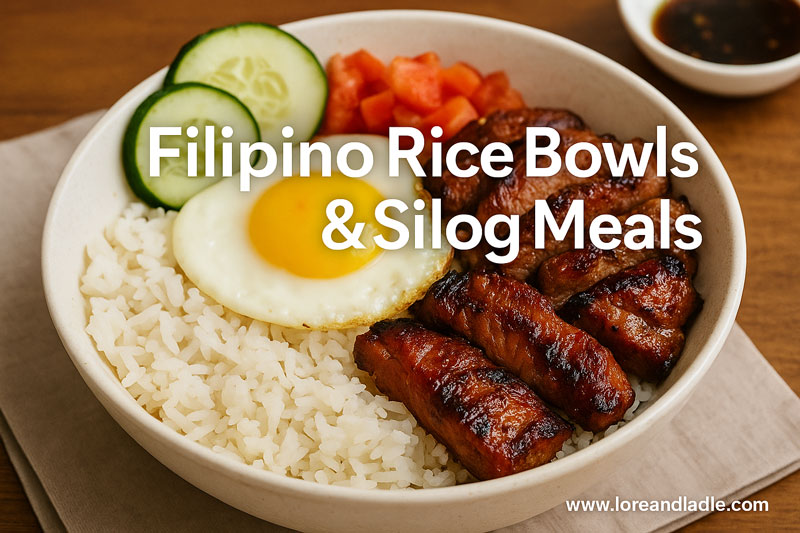
Tapsilog is built from three components. Tapa is thin slices of beef that are typically marinated and dried or air-dried to develop a salty, slightly sweet, umami-rich flavor. Sinangag is garlic rice—white rice fried with garlic until it smells inviting and tastes lightly toasty. Itlog refers to the fried egg, usually cooked so the yolk is visible and runny or just set, depending on preference. When plated together, these three elements create a balanced bite: salty beef, garlicky rice, and a mellow egg.
Although many people recognize tapsilog as a breakfast or morning dish, it can fit into a casual lunch or a comforting dinner as well. The combination is straightforward, but the flavors feel layered. The beef offers savoriness, the rice adds aroma and body, and the egg provides a gentle richness that ties the plate together. It is a dish that rewards simple, patient cooking and careful attention to temperature and texture.
Flavor and Texture
The flavor profile of tapsilog is defined by contrast and harmony. The tapa contributes a savory, sometimes slightly smoky note, with a hint of sweetness from the marinade. The garlic in sinangag introduces a savory depth and a peppery brightness that wakes the palate. The egg adds a mild, comforting richness. Together, these flavors feel balanced rather than heavy.
Texture plays a crucial role. The beef tends to be tender with a touch of chew, especially when sliced thin and prepared with a careful marinade. The garlic rice should be fluffy with individual grains and a light crisp around the edges. The fried egg offers a gentle creaminess, with a runny yolk or a firmer yolk depending on how you cook it. The combination creates a satisfying mouthfeel: soft and savory, aromatic and slightly crispy, smooth and bright all at once.
Key Characteristics and High-Level Ideas
Key characteristics of authentic tapsilog include:
- A clear trio on the plate: tapa, sinangag, itlog.
- Aromatic garlic rice that smells inviting and tastes toasty but not burnt.
- Beef with a savory-slightly-sweet flavor that remains tender and juicy.
- A fried egg that adds richness and a gentle contrast to the other components.
- A meal that feels comforting yet bright, suitable for morning meals and relaxed gatherings.
High-level ideas for making tapsilog at home focus on three elements: preparing a flavorful but not overpowering beef component, cooking garlic rice with careful heat control, and frying eggs to suit personal preference. You can imagine these components coming together on a plate as a warm invitation to sit and savor breakfast or a relaxed midday meal.
Occasions to Enjoy Tapsilog
Tapsilog fits many moments. A weekend breakfast can start with its aroma filling the kitchen. A casual family brunch offers a way to share a familiar favorite with a gentle touch of novelty. A cozy weeknight dinner gives a comforting option that feels a little special without being fussy. In a U.S. home, tapsilog can be a quiet celebration of everyday cooking—an everyday luxury that stays within reach.
Some occasions to consider:
- Weekend family breakfasts or late-morning brunches.
- A relaxed dinner after a busy day when you want something comforting yet flavorful.
- A cultural cooking night at home, where family or friends try a new dish together.
- A kitchen project for experimenting with savory marinades and simple starches, paired with fresh vegetables.
No matter the setting, tapsilog invites calm, thoughtful preparation and an appreciation for balanced, satisfying flavors.
How to Make Authentic Tapsilog at Home to try this year in the U.S.
How to Make Authentic Tapsilog at Home to try this year in the U.S.
This section focuses on high-level ideas for crafting tapsilog at home. It avoids detailed instructions while giving you a sense of the approach and options.
- Tapa concept: A beef slice is marinated to develop a savory, slightly sweet profile. Think terms like soy notes, a touch of sugar or honey, garlic, and a gentle blend of spices. The goal is tenderness and depth, not heaviness. In your kitchen, you can explore marinades that bring a rich, balanced flavor to the meat while keeping the texture tender.
- Sinangag concept: Garlic rice is prepared with care for aroma and texture. The rice should be lightly toasted in a small amount of oil with plenty of garlic, ensuring the grains stay separate and the scent lingers pleasantly. If you wish to adapt, you can experiment with short-grain or long-grain varieties and adjust the garlic intensity to your taste.
- Itlog concept: The egg completes the plate with warmth and richness. A simple fried egg with a bright yolk is a classic choice, but you can adjust the yolk texture to suit your preference. The egg should feel soft and comforting against the other two components, delivering a gentle counterpoint to the savoriness of tapa and the aroma of garlic rice.
- Plate balance: The key is harmony. Each bite should bring a little bit of each component in a small, satisfying mouthful. The dish should feel cohesive, not cluttered, with colors and textures that invite you to slow down and enjoy.
For home cooks in the United States, you might consider local or seasonal ingredients to shape the dish around what is readily available. The goal remains the same: honor the structure of the three elements while allowing room for personal touches. How to Make Authentic Tapsilog at Home to try this year in the U.S. can be a guide to begin exploring, then adapting with confidence.
Pairings and Serving Ideas
On the table, tapsilog shines with simple complements. A light vegetable side or a crisp cucumber salad can provide a fresh contrast to the hearty beef and garlicky rice. A small amount of pickled vegetables can add brightness and texture without overpowering the main flavors. Some people enjoy a light, tangy sauce on the side to introduce a new dimension, while others prefer the clear, unadorned flavors of the three components.
Serving ideas to consider:
- A warm plate with generous portions of tapa, plenty of garlicky rice, and a perfectly fried egg on top.
- A side of fresh greens or a simple cucumber salad to balance richness.
- A touch of citrus or a light vinegar drizzle to lift the flavors if desired.
- A small bowl of fermented or pickled vegetables as a bright, crisp accent.
The goal is to create a plate that feels complete in aroma, flavor, and texture, while keeping the presentation inviting and straightforward.
Ingredient Notes and Substitutions
Here are some high-level notes for selecting ingredients and making gentle substitutions:
- Beef tapa: Look for thin slices or small pieces that can soak up flavor while staying tender. If you prefer pork or chicken, consider a similar curing approach with a mild marinade to suit the protein’s character.
- Garlic rice: Use a good amount of garlic in the rice, but balance it so it remains aromatic without becoming overwhelmed. A mix of white rice with a touch of oil can help the grains stay separate and fluffy.
- Itlog (egg): Frying fry-pan style is common. You can adjust the heat to achieve your preferred yolk texture, whether runny, jammy, or fully set.
- Local adaptations: In the U.S., you may find different cuts of beef or even substitute other proteins or plant-based alternatives that align with your preferences. The core idea remains the same: three elements that complement each other.
High-level substitutions might include different grains for the garlic rice or a vegetarian option that keeps a similar flavor balance, but the essence of the dish comes from the combination of a savory meat component, fragrant rice, and a comforting egg.
A Note on Traditions and Shared Meals
Tapsilog is often part of family meals and weekend routines. The joy comes not only from the flavors but also from the act of cooking together or sharing a plate that many hands have prepared. The dish invites conversations about technique, ingredients, and personal adjustments. It also provides an opportunity to pause, savor a balanced plate, and start the day with mindful eating.
In homes across the United States, tapsilog can become a familiar ritual. It can be prepared with local ingredients or adapted to fit personal tastes, while keeping the core trio intact. The beauty of tapsilog lies in its simplicity and in its ability to bring people together around a meal that feels both familiar and new.
Conclusion
How to Make Authentic Tapsilog at Home to try this year in the U.S. offers a gentle invitation to explore a classic triple on a single plate. You can enjoy a savory beef component, fragrant garlic rice, and a comforting fried egg in a balanced, approachable way. The dish fits many occasions, from quiet weekend mornings to relaxed family meals, and it adapts well to home kitchens in the United States.
The textures and flavors work together to create a plate that feels warm and satisfying. The beef offers depth, the rice provides aroma and body, and the egg adds richness. Together, they form a meal that is unhurried, approachable, and welcoming to both new and seasoned cooks. By focusing on high-level ideas and simple techniques, you can make tapsilog at home with confidence and care.
If you are curious about How to Make Authentic Tapsilog at Home to try this year in the U.S., this guide can serve as a starting point. It highlights the dish’s charm, its comforting textures, and the ways people enjoy it in everyday life. The result is a plate that feels like a bright, thoughtful morning—the kind of meal that stands as a small celebration of home cooking.