
Introduction
Mie Goreng 101: Simple Ways to Unlock Big Indonesian Flavor is more than a recipe. It is a doorway into Indonesian life, where everyday meals become moments of care and shared joy. This dish sits at the heart of homes, markets, and local stalls. It celebrates simplicity, balance, and the bright aroma of fresh ingredients. The result is a plate that feels familiar and uplifting, no matter the setting.
What Mie Goreng Is
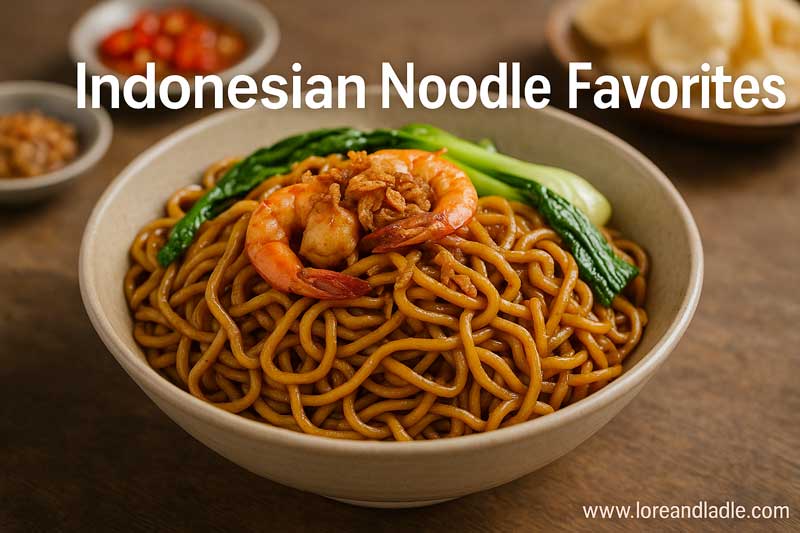
Mie Goreng means fried noodles. It uses yellow egg noodles or similar strands fried with a savory-sweet sauce. The signature comes from a quick, high-heat stir-fry that creates aroma and a touch of wok hei. Core elements include garlic, shallots, a glossy sauce, and eggs. Add vegetables and a protein of choice, and you have a complete, satisfying meal. The dish welcomes variation, yet it remains distinctly Indonesian in its balance of flavors and glow of color.
Cultural Value in Everyday Life
This dish travels through daily life with ease. Street stalls, home kitchens, and family gatherings all honor Mie Goreng as a versatile, comforting option. It adapts to the moment: a quick lunch before work, a weekend family cook-off, or a weekend-market choice after shopping for fresh produce. The noodles, sauce, and toppings invite creativity while keeping a recognizable soul. Sharing a plate of Mie Goreng becomes a small, welcoming moment—an invitation to savor, chat, and continue with the day.
Culinary Significance and Technique
Mie Goreng highlights key cooking skills in Indonesian cuisine. The dish rewards high heat, fast timing, and precise heat control. The result hinges on the aroma released when aromatics hit the hot oil. The sauce blends sweet, salty, and a hint of brightness, creating depth without heaviness. Texture matters: the noodles are glossy yet separate, vegetables stay crisp-tender, and any protein is well-cooked but tender. The dish also acts as a culinary canvas. Depending on the pantry and season, cooks layer in local tastes from fresh vegetables to protein choices, herbs, and a touch of heat. This flexibility mirrors Indonesian culinary philosophy: craft a dish that honors season, texture, and balance while staying true to the core idea of fried noodles.
Regional Variations and Significance
Across Indonesia, Mie Goreng shows regional personality. In bustling city stalls, it may gleam with kecap manis and crisp shallots. In homes, cooks adapt the mix based on what’s nearby, using vegetables like cabbage, carrots, or scallions. Common proteins range from eggs to chicken, shrimp, or tempeh. The dish also reflects local produce cycles and taste preferences, yet the essence remains consistent: a quick, satisfying dish that brings color, aroma, and warmth to the table. These variations tell a larger story about Indonesian eating patterns—how a simple plate can honor local produce, family routines, and the daily rhythms of life.
Simple Ways to Unlock Big Indonesian Flavor
- Start with hot, well-seasoned woks or pans. Preheat, then add oil and aromatics quickly. Work in small batches if needed to avoid steaming the ingredients.
- Build the sauce with purpose. A balance of kecap manis (sweet soy), a splash of light soy sauce, and a touch of salt or a light acid brightens the dish. Taste and adjust as you go.
- Choose the right noodles. Fresh noodles work beautifully, but dried varieties can shine too if cooked al dente and well drained. Rinse briefly if they stick together.
- Layer aromatics in stages. Sauté garlic and shallots first, then add aromatics like chilies or onions to keep their flavors bright.
- Respect texture. Add vegetables in order of tenderness so they stay crisp. Add proteins until just cooked, then combine with the noodles.
- Finish with brightness and crunch. A squeeze of lime or a dab of vinegar lifts the dish, while fried shallots, scallions, or chopped peanuts add welcome texture.
- Keep it local. Use seasonal vegetables and any fresh herbs you enjoy. The dish thrives on fresh ingredients and personal touches.
- Serve promptly. The best flavor comes when the dish is hot and fresh from the wok. Plate it with care to showcase color and aroma.
Serving, Social Context, and Everyday Beauty
Mie Goreng shines in social settings. A family meal, a shared lunch at work, or a friendly weekend gathering all benefit from a tray of bright noodles. The dish invites conversation about ingredients, techniques, and regional twists. A simple bowl becomes a shared moment, linking cooks and guests through scent, taste, and smile. In this light, Mie Goreng embodies hospitality and warmth—an edible expression of Indonesian spirit.
Conclusion
Mie Goreng 101 offers more than a tasty plate. It reveals a culture that values balance, speed, and communal joy. The dish blends familiar ingredients into a bright, flexible form that travels from street stalls to home kitchens with ease. Its culinary significance lies in technique, adaptability, and the ability to spark celebration in everyday meals. By embracing simple steps and local ingredients, you unlock a big Indonesian flavor that feels both comforting and brilliant. Enjoy the journey of flavors, textures, and shared moments that Mie Goreng brings to the table.