
Soto Ayam: A Warm Welcome to Indonesian Comfort
Soto Ayam is a bright, comforting Indonesian chicken soup that many families savor with smiles. The broth glows with a gentle yellow hue from turmeric and carries the fresh scent of lemongrass and herbs. In America, it shows up as a weekly favorite in kitchens and a welcoming dish for guests. This post spotlights Soto Ayam and other family-friendly Indonesian dishes loved in America, highlighting their cultural value and culinary significance. The tone stays warm, inviting, and respectful as we explore flavors that bring people together at the table.
Culinary Significance of Soto Ayam
Soto Ayam stands out for its balance of aroma, texture, and depth. The broth feels bright and soothing at once, with turmeric giving color and warmth, while lemongrass, onion, and garlic layer in gentle perfume. The chicken stays tender, often joined by rice, noodles, or potatoes. A serving feels complete when topped with crisp fried shallots, slices of hard-boiled egg, fresh scallions, a squeeze of lime, and a dab of chili or sambal. This combination creates a comforting bowl that feels familiar to many families, yet carries the distinctive glow of Indonesian flavors. Its ritual of simmering, tasting, and adjusting reveals a kitchen’s care and hospitality.
Core Ingredients and Cooking Techniques
The heart of Soto Ayam is a clear, comforting broth built from chicken, turmeric, lemongrass, and sometimes a touch of galangal or lime leaf. The chicken may be cooked in the pot to release flavor or removed and sliced for texture. Vegetables such as onions, garlic, and ginger join the simmer. After the broth reaches a comforting strength, the dish is assembled with rice or noodles, tender chicken, and a bright splash of citrus. The finishing toppings—fried shallots, chopped scallions, sliced chilies, and a boiled egg—offer layers of texture and brightness. The result is a versatile canvas: mild and family-friendly, yet with room for bolder spices if desired.
The Family Table: Cultural Value of Indonesian Dishes
Indonesian cooking often centers sharing, generosity, and warm hospitality. Soto Ayam embodies that spirit by inviting everyone to sit down together. Large pots, family recipes, and careful garnishes become small rituals that mark everyday meals and special occasions alike. The dish’s approachable flavors make it a welcoming entry point for children and adults exploring Indonesian cuisine. At the table, stories about family favorites blend with the aroma of herbs, creating a sense of belonging. The same care shows in other family-friendly dishes, reinforcing a culture of nourishment and connection.
Soto Ayam in American Homes: A Bridge of Flavor
In American homes, Soto Ayam often serves as a reliable, weeknight standout. Its components are accessible in many markets, and cooks can tailor spice levels to suit younger palates. Leftovers reheat well, making it a practical option for Busy families. The dish pairs nicely with plain rice, fried rice, or even noodles, offering versatility that fits modern meal planning. The warm broth, gentle seasoning, and comforting texture invite repeated family tastings, turning a simple bowl into a cherished routine.
Nasi Goreng: Fragrant, Homey Fried Rice
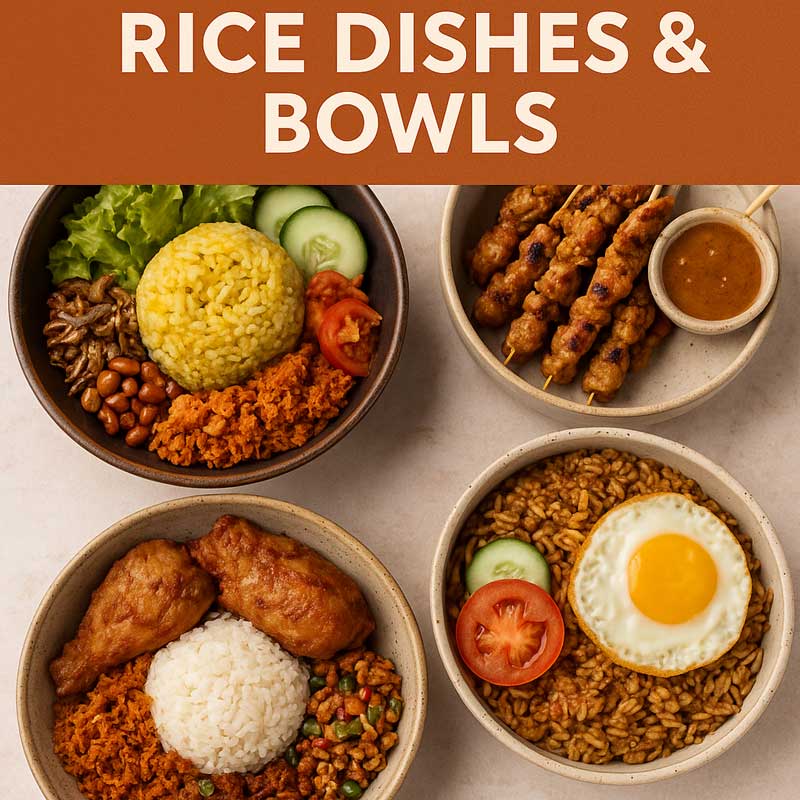
Nasi Goreng translates to fried rice and ranks high on many family menus. Its perfume comes from sweet soy sauce, garlic, onions, and a touch of chili. Leftover rice becomes a canvas for vegetables, shrimp or chicken, and a fried egg on top. In America, families love Nasi Goreng for its quick preparation and satisfying flavors. The dish demonstrates how Indonesian cooking embraces resourcefulness—turning staples into a hearty, shareable meal.
Mie Goreng: Noodles of Comfort
Mie Goreng, or fried noodles, brings a cozy factor to the table. Wok-fried noodles mingle with vegetables, eggs, and sometimes chicken or seafood, all lacquered in a savory, slightly sweet sauce. Its speed makes it ideal for busy days, while its familiar textures please both kids and adults. Mie Goreng showcases how Indonesian flavors adapt to home kitchens and casual gatherings in America.
Bakso: Gentle Warmth in a Bowl
Bakso features small meatballs that drift in clear broth or appear in a bowl with noodles. The tender texture and mild savor make Bakso appealing to families trying new flavors. It’s a comforting meal that invites dipping, topping with scallions, and balancing with lime and chili as desired. Bakso demonstrates how Indonesian street-food-inspired dishes translate into home cooking, preserving a sense of warmth and care.
Sate: Skewered Joy with Peanut Sauce
Sate offers bite-sized meat skewers served with a rich peanut sauce. Grilling deepens the meat’s flavor, and the sauce provides a creamy, nutty counterpoint. This dish shines at family gatherings and casual meals alike, because it’s easy to share and customize. The familiar pairing of grilled meat and peanut sauce makes Sate a welcoming ambassador for Indonesian flavors in American kitchens.
Gado-Gado: Fresh Vegetables with Nutty Sauce
Gado-Gado presents a colorful arrangement of vegetables topped with a luscious peanut dressing. It highlights freshness, balance, and texture. The dish encourages colorful plates and varied textures, making it especially appealing to families seeking lighter meals that still carry robust flavor. Gado-Gado shows how Indonesian cooking can celebrate vegetables with bright, satisfying sauces.
Serving Ideas and Final Thoughts
Together, Soto Ayam and these family-friendly dishes offer a vivid portrait of Indonesian cuisine as a culture of care and sharing. They adapt to busy schedules while preserving a sense of celebration around food. When families explore these dishes, they learn about balance—between heat and sweetness, between soft textures and crunch, between familiar comfort and new aromas. The result is a kitchen culture that respects tradition while inviting curiosity.
In conclusion, Soto Ayam and its kin—Nasi Goreng, Mie Goreng, Bakso, Sate, and Gado-Gado—richly contribute to American cooking. They bring warmth, aroma, and togetherness to the table. These dishes celebrate flavor with clarity and heart, inviting all to savor Indonesian culinary artistry.