
Introduction
Nasi Padang Recipe Inspiration for Game Day in the U.S. invites readers to explore a dish that blends vibrant flavors with a deep sense of sharing. This approach to eating centers on steamed rice paired with a wide array of small, freshly prepared dishes. The variety on the table tells a story of balance—spice and comfort, sweetness and savoriness, tenderness and texture. For game day, the format offers a lively, inviting way to gather, taste, and celebrate together.
Cultural Value of Nasi Padang
Nasi Padang is more than a meal. It is a reflection of hospitality and communal eating. In many homes and eateries, a counter of carefully prepared dishes invites everyone to choose what they enjoy, then share conversation and cheer as plates are filled. The practice honors variety and inclusion, letting each guest tailor the experience to their preferences. The table becomes a meeting place where textures—creamy coconut milk, crisp fried bits, velvety curries, and fresh herbs—meet bright aromas and bold colors. This arrangement also highlights technique and patience. Each dish arrives with its own story of spices, fire, and careful timing, yet all harmonize on one plate. For game day, that harmony translates into an accessible, lively spread that welcomes all palates.
Culinary Significance and Techniques
The essence of Nasi Padang lies in its signature methods and flavor balance. A plate of steamed rice serves as a blank canvas for a gallery of dishes, each prepared with its own purpose and personality. Core flavors come from coconut milk, chili, garlic, shallots, turmeric, lemongrass, galangal, and fresh herbs. Dishes often showcase a continuum from braised, curry-like preparations to dry, richly spiced options.
Key techniques include slow braising to deepen spice blends, careful frying for crisp textures, and bright finishing touches such as lime or vinegar to lift flavors. Rendang, a flagship dish, exemplifies the slow-cooked magic: meat braised in coconut milk with a spice paste until tender and deeply resonant. Balado-style preparations wake the palate with chili and zest, while gulai builds a luscious curry with complex warmth. Across the spread, balance is the guiding rule—richness from coconut milk or fried bits is counterpointed by tangy tamarind, fresh herbs, and a touch of acidity that keeps every bite lively. The result is a cuisine that respects technique and patience while delivering universal appeal.
Nasi Padang for Game Day in the U.S.
Game day calls for a spread that is both celebratory and practical. Nasi Padang fits easily into a crowd-friendly format: a central pot of hot rice, a selection of small, flavorful dishes, and a generous assortment of colorful condiments. Prepare a core lineup several hours ahead, then keep dishes warm or reheat gently for serving. The goal is a vibrant mosaic of choices that encourages mixing and matching.
A recommended game-day approach:
– Centerpiece rice: a fresh pot of steamed white rice or a light, fluffy variant.
– 4 to 6 dishes: choose a mix of protein-focused items (rendang, ayam balado or ayam goreng), a curry or two (gulai or sayur gulai for vegetarians), a vegetable option (sayur lodeh or oseng kangkung), and a bright sambal or acar for heat and acidity.
– Vegetarian or vegan options: include a solid plant-based dish such as tempeh balado or sayur lodeh to ensure all guests have satisfying choices.
– Accompaniments: crisp crackers or kerupuk, fresh herbs, sliced cucumbers, and lime wedges brighten the spread.
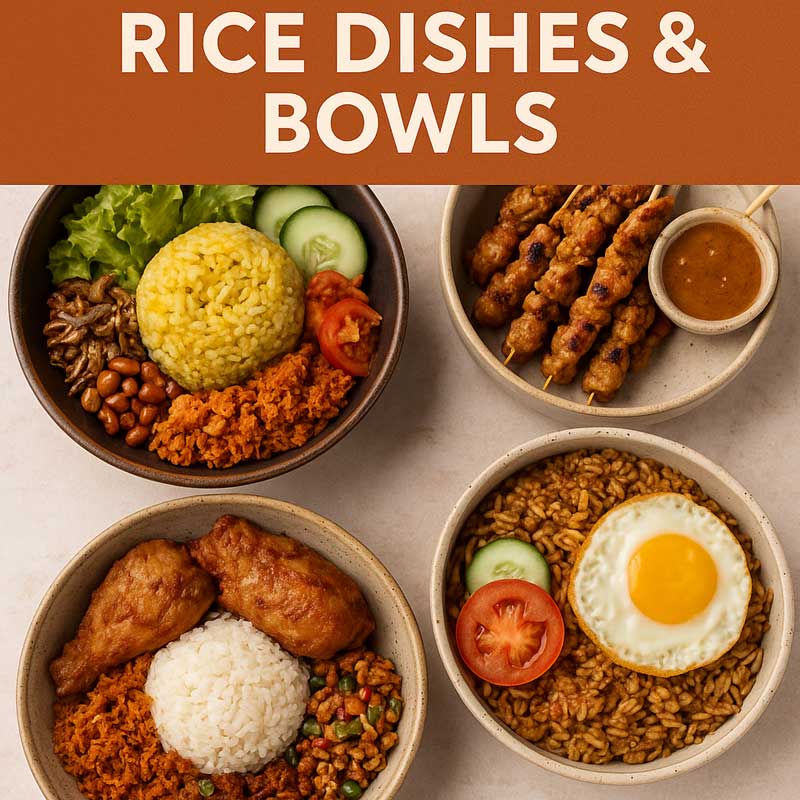
In the U.S. setting, you can present dishes in small bowls and platters arranged around the rice. Use warm servers to keep flavors inviting, and offer serving spoons that invite guests to sample multiple dishes. The result is a convivial, festival-like table that mirrors the warmth of a traditional Padang spread while fitting a modern, sports-focused gathering.
Dishes to Highlight and Their Significance
- Rendang: A deeply aromatic beef dish braised with coconut milk and spices. It embodies patience and depth, offering a comforting, robust center for the spread.
- Ayam Balado or Ayam Goreng: Spicy or fried chicken that provides bright, crisp contrast to creamy curries and tender meats.
- Gulai (curry) dishes: Creamy, fragrant curries that showcase the harmony of herbs and coconut milk.
- Dendeng Balado: Thin, crispy meat with a chili kick, adding texture and heat.
- Sambal Ijo or Sambal Belacan: Fresh, vibrant heat and brightness that lift the entire table.
- Sayur Lodeh or Sayur Pakis: A vegetable-forward option that introduces balance, sweetness, and friction to the bite.
- Tempeh Balado or other vegetarian options: Accessible plant-based choices that respect the broader palate.
Each dish on the table carries cultural value beyond taste. The combination of textures, aromas, and colors communicates care, craft, and a community-focused approach to dining. Even as you adapt the spread for a game day, you preserve the spirit of sharing and the joy of exploring many flavors together.
Sourcing, Freshness, and Substitutions in the U.S.
Finding authentic ingredients enhances the experience, but you can also adapt with thoughtful substitutions. Look for coconut milk with a clean ingredient list, fresh aromatics (garlic, shallots, lemongrass, galangal, turmeric), and good-quality chilies. In many areas, Indonesian or Southeast Asian markets stock essential items like daun jeruk (lime leaves), kerisik (grated coconut), and spice blends that carry the hallmark Padang aroma. If you cannot find a specific ingredient, use a bright alternative that preserves the balance: a splash of lime juice for acidity, a touch of tamarind paste for tang, or a small amount of palm sugar to round out the sweetness.
For meat dishes, beef or chicken are the most accessible. If you prefer vegetarian options, tempeh or tofu can stand in nicely for protein, and vegetables like jackfruit or long beans can carry deep flavors through curry or stir-fry sauces. In any case, the goal is to maintain the gradient of heat and aroma across the spread, so every guest experiences a well-rounded palate.
Plating, Presentation, and Hosting Tips
- Plate with intention: a clean white plate helps the colorful dishes shine, while banana leaves or a wooden board can add cultural warmth.
- Create a visual map: place lighter, greener items near brighter red or orange dishes to invite tasting across the spectrum.
- Keep heat evenly: use stackable chafing dishes or warmers so sauces stay inviting and rice remains fluffy.
- Offer clear spoons and tongs: ease of use invites guests to sample widely and share plates without hesitation.
- Label a few dishes: small cards with dish names help guests connect flavors to ideas, especially for those new to Nasi Padang.
- Encourage shared tasting: invite guests to take small portions of many dishes, creating a sense of discovery and community at the table.
Hosting Approach for a U.S. Game Day
Emphasize hospitality, conversation, and movement around the table. Invite guests to choose a couple of dishes, then return for more. A relaxed, buffet-style setup supports spontaneous tasting, which is a hallmark of the Nasi Padang experience. Pair the food with simple drinks and light notes of citrus to brighten the spice, and keep the mood friendly and upbeat so the focus remains on enjoyment and connection.
The Beauty and Purpose of the Dish
Nasi Padang Recipe Inspiration for Game Day in the U.S. celebrates more than flavor. It honors a tradition of sharing, balance, and craft. The variety on a single table mirrors the way communities come together to enjoy food that is both comforting and exciting. It invites curiosity, invites conversation, and invites every guest to find a favorite bite. In this way, the dish becomes a bridge between kitchens, a language of aroma and texture that travels well and welcomes all who sit down to taste.
Final Thoughts
This approach to Nasi Padang keeps true to its cultural roots while making it accessible for a U.S. game day setting. The emphasis on hospitality, balance, and technique offers a recipe for connection as much as for flavor. Whether you are trying rendang’s slow-braised richness or a bright sambal kick, you are stepping into a rich culinary tradition that values sharing, craftsmanship, and joy around the table. Embrace the colors, the scents, and the conversations that come with each serving. In doing so, you honor the dish and celebrate the universal pleasure of good food enjoyed together.