
Lontong Sayur and the Heart of Indonesian Comfort
Indonesian cuisine shines through dishes that brighten plates and minds. Lontong Sayur stands out as a possibility and a celebration rolled into one. It pairs a compact rice cake with a fragrant coconut vegetable curry. The result is a dish that feels both soothing and bright. In America, Lontong Sayur is cherished for its comforting texture and its clear, balanced flavors. It invites curiosity, while remaining warmly familiar in its creamy sauce and gentle sweetness.
What Is Lontong Sayur? Ingredients, Texture, and Taste
Lontong is a firm, chewy rice cake wrapped in banana leaves and boiled until all the grains press together. When sliced, it creates neat discs that soak up curry or sauce. Sayur refers to a vegetable curry made with coconut milk, garlic, shallots, and spices. Together, Lontong Sayur blends soft rice cake with tender vegetables like chayote, cabbage, carrots, and green beans. The dish is finished with a silky coconut sauce, often seasoned with lemongrass, turmeric, and a hint of chili. The contrast of textures stands out: the rice cake remains chewy, the vegetables stay crisp or tender, and the coconut sauce adds a creamy warmth. The aroma, gentle heat, and balanced sweetness make every bite inviting. It is a dish that rewards slow, mindful eating and shared meals.
The Culinary Significance in Indonesian Food Culture
Lontong Sayur embodies several culinary principles that many readers will recognize as core to Indonesian cuisine. First, it highlights balance: a harmonious mix of creamy, spicy, sweet, and savory notes. Second, it reveals layering: the rice cake carries the sauce and vegetables together, letting each bite hold multiple textures. Third, it honors technique and practicality. The rice cake is compact and portable, yet it absorbs flavors beautifully when served with a hot curry. Banana leaf wrapping adds subtle aroma and a sense of ceremony to everyday meals. Taken together, the dish feels both hometown comforting and festival-worthy, reflecting the care given to food in home kitchens and local eateries alike.
Other Authentic Indonesian Dishes Loved in America
In addition to Lontong Sayur, several Indonesian dishes have found devoted fans in America. Each dish carries its own cultural value and culinary significance:
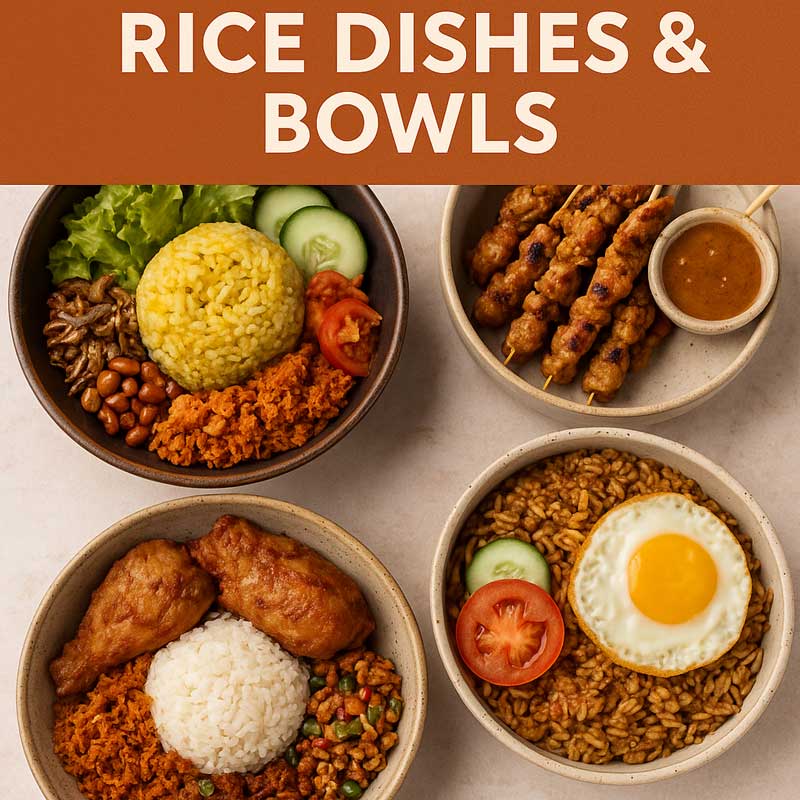
- Nasi Goreng: A fragrant fried rice dish seasoned with sweet soy, garlic, and chili. It embodies simplicity and home cooking, while inviting creative add-ins like vegetables, prawns, or egg.
- Satay: Skewered meats grilled and brushed with a peanut or soy-based sauce. It showcases the art of grilling and the joy of sharing small bites with friends.
- Rendang: A slow-cooked meat dish with deep, rich spices and coconut milk. It highlights patience in simmering and the elegance of complex flavors.
- Gado-Gado: A vibrant salad with boiled vegetables, peanuts, and a tangy peanut sauce. It celebrates fresh produce and a harmony of textures.
- Soto Ayam and Bakso: Comfort bowls featuring clear broth with chicken or meatballs, bright herbs, and aromatics. They offer warmth and soul through clear, nourishing flavors.
Each of these dishes travels well in spirit and in taste, inviting cooks and diners to explore Indonesian flavor profiles with confidence and delight.
Techniques and Flavors That Travel Well
Indonesian cooking often centers on aromatics, coconut milk, and bright chilies. In America, these elements adapt smoothly to available ingredients. Common tropical herbs like lemongrass, turmeric, and kaffir lime leaves bring brightness without overwhelming complexity. Peanut sauces, palm sugar, and tamarind offer depth and sweetness in balanced ways. When Home Cooks pursue Lontong Sayur or the other dishes above, they usually find clear paths: accessible rice or rice cakes, canned or fresh coconut milk, and reliable vegetables. The result is a kitchen that feels both adventurous and approachable. The dishes teach patience, precision in chopping, and joy in mindful seasoning.
A Call to Explore and Celebrate
Lontong Sayur and its Indonesian peers invite us to savor texture, aroma, and balance. They offer a window into a food heritage that values warmth, care, and shared meals. In America, these dishes become touchpoints for comfort and curiosity. They encourage respectful tasting, gentle experimentation, and a celebration of diverse flavors. Whether you cook at Home, visit a neighborhood restaurant, or attend a cultural event, you step into a culinary conversation that honors artistry and everyday life alike. Embrace the bite, enjoy the aroma, and celebrate the beauty of Indonesian cuisine in its many beloved forms.