
Ayam Taliwang and Other Comforting Indonesian Dishes Loved in America
Ayam Taliwang: A Fiery Welcome from Lombok
Ayam Taliwang is a bold grilled chicken from Lombok. It starts with a vivid paste of red chilies, garlic, shallots, and shrimp paste. The marinade often includes turmeric, lime, and palm sugar, which brighten the heat with sweetness and citrus notes. The chicken rests in this mix before it meets a hot charcoal grill. The result is a smoky, deeply flavored crust that seals juicy meat inside. This dish carries a sense of hospitality, inviting a table of friends to Share. The aroma alone signals a gathering, where conversation and laughter rise with the steam. In broad terms, Ayam Taliwang demonstrates the beauty of balance: strong heat, bright aromatics, and a touch of sweetness working together on the plate.
The Craft Behind Ayam Taliwang
The preparation emphasizes technique as much as flavor. Marinade time matters, letting garlic and chilies permeate the meat. Grilling over charcoal adds a caramelized edge and a whisper of smoke. A finishing touch often includes fresh lime juice or a tangy dipping sauce that echoes the marinade. The technique highlights a key culinary value: transforming simple ingredients into a memorable, sharable experience. In many Indonesian kitchens, a dish like Ayam Taliwang becomes a centerpiece for a family meal or a social gathering, where care in the cooking shows respect for those who share the food.
A Taste of Hospitality: Ayam Taliwang in America
In American restaurants and homes, Ayam Taliwang resonates with lovers of bold spice and robust textures. It pairs well with plain rice, crisp vegetables, and a cool cucumber salad. The dish stands up to varied accompaniments, inviting cooks to adjust heat and sweetness to suit local palates. This adaptability helps the dish travel beyond its origin while preserving its core identity. The experience centers on savoring a lively balance of heat, fragrance, and the bright lift from lime or calamansi. The result is a plate that invites conversation and shared tasting, a small ceremony of flavor on a table.
Nasi Goreng: Comfort in a Fragrant Fry
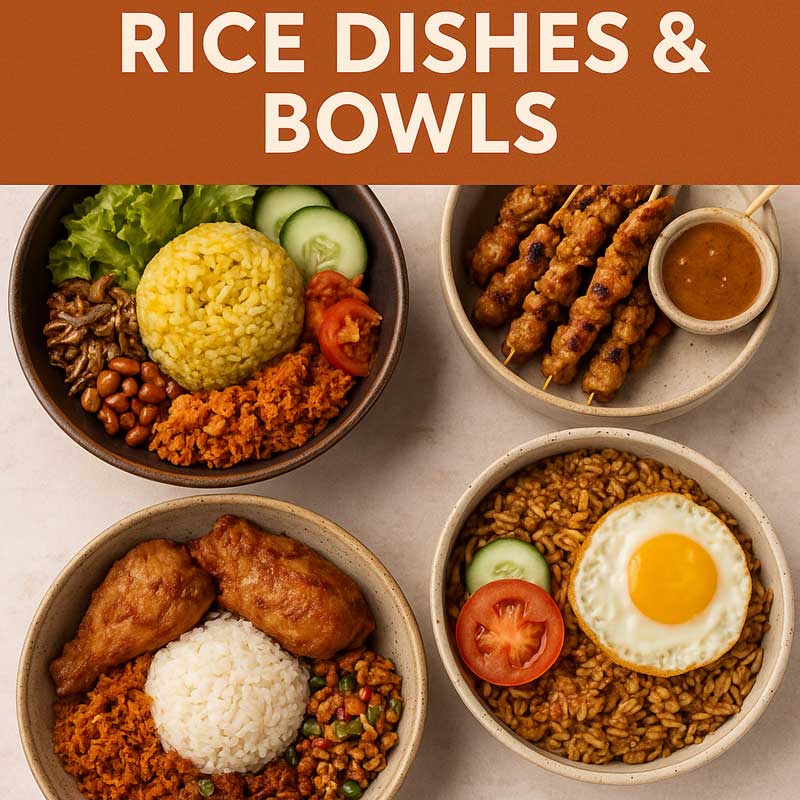
Nasi Goreng translates to “fried rice,” a dish that feels like a warm hug on a plate. It combines day-old rice with garlic, shallots, and soy or sweet soy sauce. The addition of eggs, vegetables, and a protein—often chicken, shrimp, or tempeh—creates a one-pan meal that feels complete. The cooking method is practical and intimate: a quick stir over high heat, which wakes the pan’s surface and layers flavors. In America, Nasi Goreng is loved for its versatility and the ease with which it can transform leftovers into a comforting new dish. It embodies a culture of resourceful cooking and shared meals, where aroma, texture, and color play together to welcome everyone to the table.
Rendang: Slow-Cooked Depth
Rendang is a long-simmered curry that fills the kitchen with fragrant spices. Beef or sometimes chicken braises in coconut milk, ginger, galangal, and a blend of chilies and spices. The slow cooking renders the meat tender while reducing the sauce to a rich glaze. Rendang carries a sense of patience and care. It speaks to traditions of family cooking, where time spent shaping a dish translates into lasting flavors. In American dining scenes, Rendang offers a comforting sense of depth and warmth, a dish that rewards gentle attention and generous servings.
Satay: Skewers of Shared Joy
Satay features marinated meat threaded on sticks and grilled to a smoky finish. A peanut sauce—creamy, nutty, slightly sweet and savory—serves as the perfect companion. The presentation invites sharing, as platters are set for passing and sampling. In America, Satay is a social dish that sits nicely at a casual gathering or a more formal dinner. Its simplicity of technique—marinate, skewer, grill, dip—belies its complex aroma and satisfying bite. Satay embodies the joy of communal eating and the elegance of a straightforward, well-balanced flavor profile.
Soto: Clear Broth, Warmth in a Bowl
Soto is a comforting soup built on a clear broth enriched with herbs, chicken or beef, noodles or rice, and bright toppings like scallions and fried shallots. The aroma is inviting, and the texture is soothing. Soto offers a sense of home and daily nourishment, a reminder that a simple bowl can carry memory and care. In American kitchens, Soto can be a dependable weeknight meal or a comforting option on cooler days, inviting a quick, nourishing pause in a busy schedule.
Bakso: Comfort in a Bowl
Bakso are tender meatballs served in a light broth with noodles or rice. Their gentle chew and clean broth create a soothing balance that fits a comforting moment. Bakso is a flexible dish, often enjoyed with fresh herbs and lime, making it adaptable to various tastes. In the United States, Bakso appeals to fans of soup-based comfort foods that feel both familiar and novel, offering a gentle bridge between flavors and textures.
Gado-Gado: Color, Texture, and Peanut Harmony
Gado-Gado is a vibrant salad of vegetables topped with a creamy peanut sauce. The dish celebrates color, crunch, and a bright balance of savory and nutty notes. It is light yet satisfying, showcasing how plant-based ingredients can carry bold flavor. Gado-Gado invites diners to explore a spectrum of textures while enjoying a cohesive, comforting finish. In America, it often serves as a fresh, nutritious option that complements richer dishes and rounds out a shared Indonesian meal.
The Power of Indonesian Comfort on American Tables
These dishes share a common thread: they turn simple ingredients into comforting and memorable meals. They celebrate technique, balance, and hospitality. The American dining landscape welcomes them for their bold flavors, versatility, and the joy of sharing food. Each dish offers a view into Indonesian culinary values—careful preparation, respect for ingredients, and a thoughtful approach to heat and aroma—while inviting broader audiences to experience warmth through taste.
Bringing These Flavors Home
If you wish to recreate these dishes at Home, start with fresh ingredients and clear steps. For Ayam Taliwang, select quality chicken, a bright chili paste, and a charcoal grill or a hot pan to mimic that smoky finish. For Nasi Goreng, use day-old rice and a light touch with sauces to keep the dish fragrant and balanced. For Rendang, plan for patience; let the flavors develop slowly. For Satay, prepare a silky peanut sauce ahead. For Soto, keep a simple broth base and add herbs just before serving. For Bakso and Gado-Gado, focus on texture and fresh herbs for a satisfying bite and color.
In every bite, these dishes reveal a shared love of flavor, technique, and hospitality. They invite cooks and diners alike to celebrate Indonesian comfort foods with curiosity and respect, enjoying a table where warmth and aroma bring people together.