
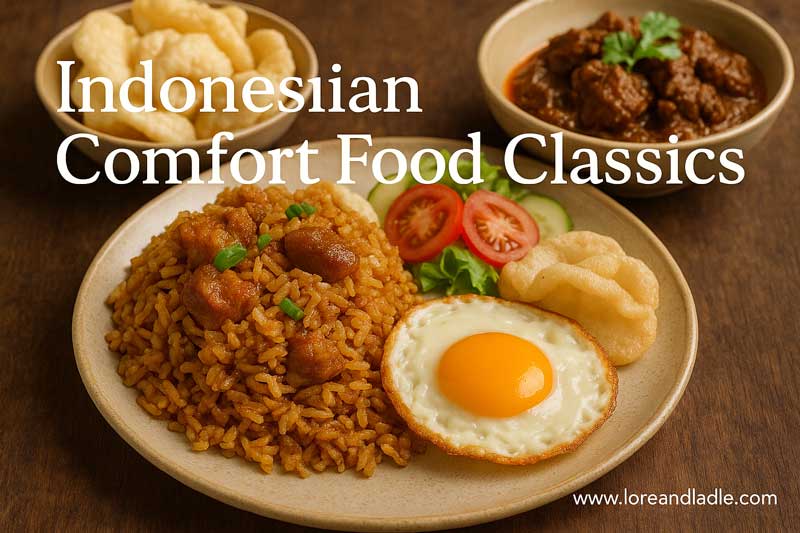
Easy Indonesian Comfort Food Classics: Siomay Bandung and More for Family Dinner
Comfort foods carry a quiet power. They warm the heart and invite conversation at the table. This post shines a light on Siomay Bandung and a circle of related Indonesian classics. It explores how these dishes carry culture, technique, and daily joy into family dinners. The focus stays on flavor, craft, and shared moments, inviting readers to savor rather than simply eat.
Siomay Bandung: A Window into Indonesian Comfort
Siomay Bandung is a beloved dish from the city of Bandung in West Java. It centers on small, delicate bites that are steamed and served with a rich peanut sauce. The plate brings together textures that feel comforting and lively at once: tender fish dumplings, soft tofu, firm cabbage, and boiled potatoes. A squeeze of lime lifts the sauce, while a sprinkle of herbs adds brightness.
This dish embodies a philosophy of balance. It blends savory fish with a nutty, lightly sweet sauce. It pairs soft dumplings with crisp vegetables. It invites dipping, sharing, and reimagining through each family’s preferred combinations. In many homes, siomay becomes part of a larger ritual around a weekend or weekday dinner, where everyone gathers, tastes, and reconnects.
The Culinary Significance: Flavor, Technique, and Balance
Culinary significance rests on three pillars: technique, flavor harmony, and regional identity.
-
Technique. The essence of siomay sits in careful preparation. The fish paste is seasoned to be gentle yet distinct, then formed into bite-sized pieces and steamed. The vegetables are arranged with care, offering color and texture. The peanut sauce is a small masterclass in balance: roasted peanuts blended with a touch of sweet, a hint of tang, and a whisper of heat. The result is a sauce that clings to each dumpling, inviting a second bite.
-
Flavor harmony. Indonesian cooking often seeks balance among sweet, sour, salty, and umami. Siomay Bandung achieves this through the interplay of fish, vegetables, and the peanut sauce. A squeeze of lime adds brightness; potatoes and cabbage give grounding. The sauce’s richness contrasts with the clean bite of the steamed dumplings. This harmony makes siomay feel nourishing and satisfying in every mouthful.
-
Regional identity. Bandung’s version of siomay reflects the appetite and resources of the region: fresh fish, simple greens, and a sauce that elevates everyday produce. Yet the dish travels beyond borders to excite families across Indonesia. Its familiar flavors and approachable preparation invite cooks to adapt it while honoring its roots. In this way, siomay becomes a culinary ambassador for regional pride and shared taste memories.
A Family Dinner Tradition: Sharing and Conversation
Siomay Bandung often shines brightest when shared. A family table filled with steam and aroma becomes a stage for conversation, storytelling, and mutual care. Children learn how to assemble elements on a plate; adults demonstrate patience as the sauce thickens and flavors deepen. The act of gathering—placing vegetables, ladling sauce, squeezing lime—turns dinner into a small ceremony.
This tradition echoes a broader Indonesian value: food as hospitality. When families prepare siomay together, they practice generosity in a practical way. The table becomes a place where every bite is meant to be enjoyed, and every person is invited to contribute.
Beyond Siomay Bandung: Related Comfort Classics for Family Dinner
While siomay Bandung anchors the experience, Indonesian comfort food offers a family-friendly repertoire. Other staples appear on many tables, each carrying local charm and shared comfort.
-
Nasi goreng (fried rice): A versatile dish built from leftover rice, garlic, onion, and a splash of sauce. It adapts to what’s on hand and often features a comforting, homey aroma.
-
Bakso (meatball soup): Tender meatballs in broth, paired with noodles, greens, and a drizzle of chili oil. It’s soothing, generous, and easy to share.
-
Tempeh and tahu dishes: Plant-based textures that fit a family dinner with warmth and a chewy bite. They can be prepared simply or with a fragrant sauce.
-
Sayur lodeh or other vegetable curries: Bright vegetables simmered gently in coconut milk, offering nourishment and color.
This broader family of dishes reveals how Indonesian cuisine builds comfort from simple ingredients, careful technique, and a spirit of hospitality. Each dish holds a place in the week, joining together flavors and memories in a calm, satisfying way.
The Role of Color, Texture, and Presentation
A well-presented plate invites curiosity and appetite. Siomay Bandung offers a mosaic of color: pale fish dumplings, pale-green cabbage, bright yellow potatoes, and the dark sheen of peanut sauce. The variety of textures—soft dumplings, crisp greens, creamy sauce—creates an inviting eating experience. When families arrange plates with care, they reinforce a sense of belonging. The dish becomes not just sustenance, but a shared canvas for daily life.
A Simple Path to Home Preparation: Key Ideas for Families
-
Start with accessible ingredients. Fresh fish paste or fish fillet, soft tofu, cabbage, potatoes, and a good peanut sauce base are enough to begin. A squeeze of lime completes the brightness.
-
Respect the steam. Steaming preserves delicate flavors and a tender texture. Let the dumplings and vegetables cook gently, then plate with care.
-
Balance is key. Taste the sauce as you go. Add a touch of sweetness, a bit of salt, and a touch of acidity to keep the flavors lively.
-
Encourage participation. Invite younger family members to place the vegetables or squeeze lime. The ritual strengthens the sense of togetherness.
-
Adapt thoughtfully. If fish is scarce, experiment with other white proteins or plant-based substitutes. The core idea remains: comfort through balance and sharing.
The Cultural Value of Indonesian Comfort Foods at Home
Indonesian comfort foods translate communal values into everyday meals. They show how families care for one another through the act of cooking and sharing. Dishes like Siomay Bandung celebrate modest ingredients elevated through technique and partnership. They remind us that flavor is a communal achievement—one that grows better when family members contribute, learn, and savor together.
The culinary landscape of Indonesia embraces variety within a single table. Each region brings its own touch to a familiar format, and families adapt recipes to reflect their unique tastes. This adaptability keeps tradition alive while inviting new generations to participate. The result is a living culture where food is both comforting and expressive.
A Respectful, Neutral Perspective on Flavor and Craft
As we explore Siomay Bandung and related dishes, we celebrate the craft behind each plate. We note how chefs and home cooks balance textures, how sauces are built to complement each element, and how presentation invites people to share. The celebration remains focused on the beauty of the dish, the skill of preparation, and the warmth of the family table.
Final Thoughts: Embracing Comfort, Craft, and Community
Siomay Bandung stands as a gentle ambassador of Indonesian comfort food. It teaches that simple ingredients can create refined flavors when treated with care. It shows how family meals become meaningful rituals when everyone participates. And it reminds us that food is a bridge—connecting taste with memory, technique with tradition, and individual joy with shared nourishment.
If you’re curious to introduce this dish to your own family, start with the core idea: gentle steam, a nutty sauce, fresh vegetables, and a spirit of sharing. Let the table tell the story of care, culture, and connection. In this way, Easy Indonesian Comfort Food Classics become more than a menu—they become a practice of hospitality and a celebration of Flavor in everyday life.