
Introduction
This blog post introduces a curated bite of Indonesian cuisine: the dish “5 Indonesian Soups & Stews to Try If You Love Bold Indonesian Flavor.” These five bowls and pots showcase how flavor and culture mingle in Indonesian kitchens. Each dish carries a distinct story of place, technique, and shared meals. You will discover how spice blends, fresh ingredients, and patient simmering create meals that feel welcoming, festive, and deeply rooted in daily life. The focus here is on cultural value and culinary significance, not on politics. The result is a portrait of hospitality, craft, and regional pride in every spoonful.
Soto Ayam: Classic Chicken Soup
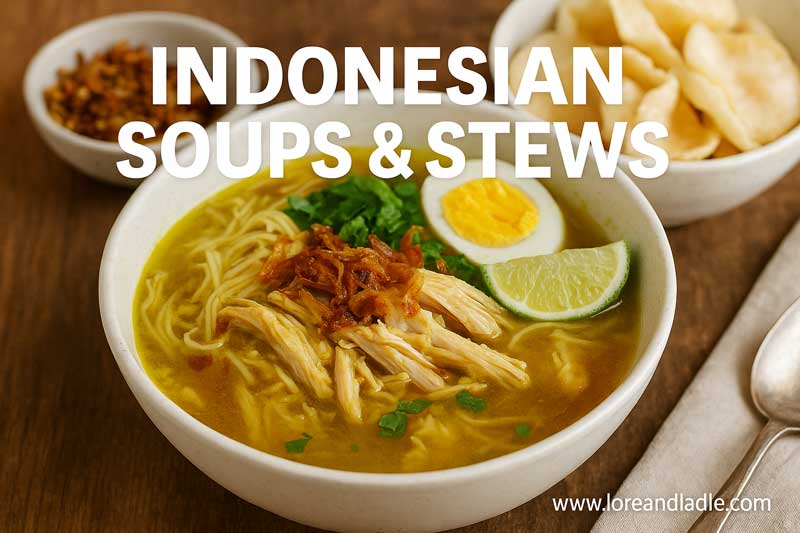
Soto Ayam is a beloved entry point into Indonesian flavor. The broth glows with bright turmeric and herbal aromatics like lemongrass, ginger, and garlic. A whisper of kaffir lime leaves adds a citrusy lift that clears the palate. This soup is light yet deeply tasty, a balance that reflects everyday Indonesian cooking: simple ingredients treated with careful technique. People often enjoy Soto Ayam with steamed rice, a hard-boiled egg, fried shallots, and a dab of sambal. The dish travels well across islands, yet its heart remains local—the way a family kitchen can turn humble chicken into a comforting ceremony. Its cultural value lies in its accessibility and its role as a welcoming bowl for gatherings, markets, and weekend breakfasts. Culinary significance shows in the way cooks layer aroma and texture: the broth carries fat from the chicken, the spices awaken the senses, and the toppings add color and crunch. Soto Ayam teaches that bold flavor can be clear, clean, and deeply satisfying at the same time.
Rawon: The Black Beef Soup of Java
Rawon earns its name from the rich, almost black broth. The deep color comes from kelu seeds, which also give a warm, earthy aroma. The beef absorbs slow, careful seasoning to become tender and savory. A spice paste of garlic, shallots, coriander, and hints of nutmeg and pepper forms the backbone, while a splash of tamarind adds a subtle tang. Rawon is traditionally served with rice or lontong and accompanied by emping crackers, chilies, and a squeeze of lime. In Java, Rawon is more than a dish; it is a cultural memory of family meals and street corners where cooks share the same pot with neighbors. The dish illustrates how Indonesian cooks use color and depth of flavor to signal richness without heaviness. Its culinary significance lies in the artful use of a single color-changing ingredient (klu seeds) to shape a robust, comforting bowl that still feels refined enough for ceremonial tables. Rawon celebrates the earthy side of Indonesian cuisine—the way slow simmering and grounded spices can create elegance.
Sup Buntut: Oxtail Soup with Rich Broth
Sup Buntut is a generous, comforting soup built on tenderness and depth. Oxtail pieces simmer slowly, releasing gelatin that thickens the broth and gives body. The spice mix often nods to global flavors while staying undeniably Indonesian: clove, pepper, and a touch of nutmeg mingle with garlic and onion. Carrots and potatoes add gentle sweetness and heartiness. Sup Buntut is frequently served with rice or mashed potatoes, along with lime wedges and fresh chilies for brightness. This dish holds a special place in Family Dinners and festive gatherings, where a large pot feeds many and becomes a social center. Culinary significance comes from technique—slow braising to extract richness, careful balancing of spice and salt, and a preference for bright finish with citrus. The cultural value is in its generosity: a shared bowl that invites conversation, warmth, and a sense of togetherness around the table.
Sayur Asem: Sour Tamarind Vegetable Soup
Sayur Asem is a bright, refreshing counterpoint to richer stews. The broth relies on tamarind for its lively sour note, then balances with a touch of palm sugar and salt. The vegetables—often corn, long beans, chayote, and sometimes melinjo seeds—provide texture and color. Sayur Asem embodies balance in Indonesian cooking: sweetness, sourness, and savoriness all in play. It is a staple in many households and markets, enjoyed year-round and enjoyed by people of varying ages. The cultural value lies in its versatility and seasonality: it can feature garden produce at its peak, and it invites cooks to improvise with what is available. Culinary significance shows in how a sour soup can feel bright, cleansing, and deeply satisfying at once. Sayur Asem also teaches how Indonesian cooks use acidity to lift flavors and create a clean finish that invites another bite—an ethos at the heart of many regional dishes.
Gulai Padang: Rich Coconut Curry Stew
Gulai Padang represents the bold, coconut-woven curry style of West Sumatra. The dish begins with a robust spice paste and coconut milk, simmered until meat becomes tender and sauce clings warmly to every bite. Turmeric, coriander, cumin, and sometimes fennel mingle with ginger and garlic to create a fragrant, amber-hued curry. Gulai Padang is a cornerstone of the Padang culinary tradition, often served in a “hidang” spread where many dishes arrive at once for shared tasting. The cultural value is strong in the sense of hospitality and communal dining: the way a table fills with aroma and color signals a generous, celebratory meal. Culinary significance comes from technique—coconut milk simmered to the right thickness, spices balanced to coax sweetness and heat, and meat cooked until it nearly dissolves into the sauce. Serving Gulai Padang with rice, fried shallots, and fresh herbs highlights Indonesia’s love of layering flavors while keeping the dish comforting and approachable. It also illustrates regional pride in how coastal abundance and spice trade shaped a distinct, enduring curry tradition.
The Cultural Tapestry of Indonesian Soups & Stews
Together, these five bowls and pots reveal a portrait of Indonesian flavor that is both varied and coherent. They showcase how cooks across islands use rempah, fresh aromatics, and careful simmering to build depth. They highlight regional identities—from Java to Sumatra to coastal kitchens—while sharing a common joy in hospitality. These dishes also demonstrate the ritual of serving: rice or bread alongside a soup, a sambal kick at the table, and the sense that a meal is a chance to welcome others. The cultural value lies in the way every bite echoes daily life, family, and celebration. The culinary significance rests in technique, balance, and the reverence for fresh ingredients and long-simmered sauces. This collection invites you to explore bold Indonesian flavor with respect for its roots and curiosity for its endless variations.
Conclusion: A Taste of Indonesia’s Heart
Exploring Soto Ayam, Rawon, Sup Buntut, Sayur Asem, and Gulai Padang offers more than taste. It offers a window into how Indonesian cooks honor ingredients, honor guests, and honor tradition. These five soups and stews are not only meals; they are living expressions of culture, craft, and community. If you crave bold flavor, you will find it here—each dish delivering warmth, color, and a story in every bowl. Embrace the journey, and let the flavors remind you of Indonesia’s welcoming spirit and timeless culinary artistry.