
Gudeg Jogja 101: Simple Ways to Unlock Big Indonesian Flavor
Gudeg Jogja is more than a dish. It is a thread that stitches together family moments, markets, and daily life in Yogyakarta. The name itself invites curiosity: a hearty pot, a deep brown glaze, and a scent that says “home.” This introduction explores the cultural value and culinary significance that give Gudeg its enduring place in Indonesian food culture. The flavor is big, but the story behind it is gentle, patient, and welcoming.
The Heart of Yogyakarta in a Pot
Gudeg represents the warmth of a city that gathers around a stove and a shared meal. In homes and humble stalls alike, cooks honor a craft that uses time as an ingredient. The dish travels from grandmother’s kitchen to modern eateries without losing its soul. Everyday routines become rituals when a pot simmers for hours, letting the coconut milk and spices mingle with young jackfruit until the result feels both comforting and celebratory. In this way, Gudeg becomes a cultural beacon, signaling hospitality, patience, and community.
Core Ingredients and Craft
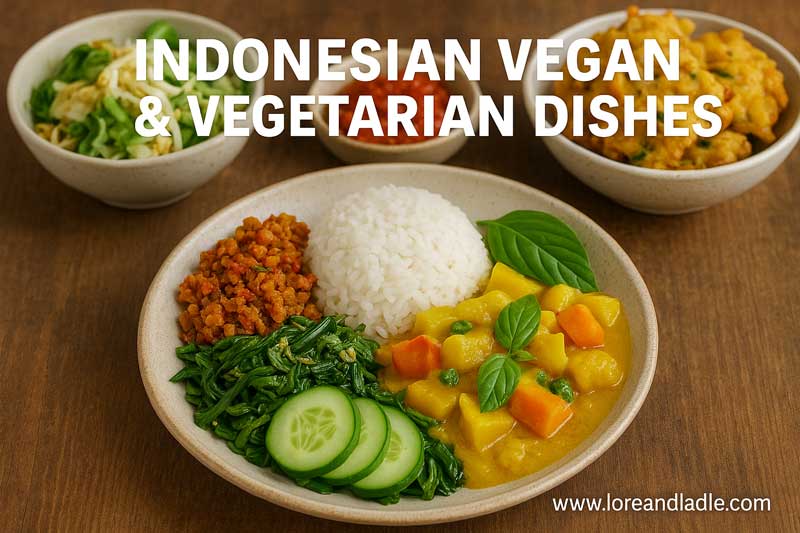
The core is simple: nangka muda (young jackfruit) braised in santan (coconut milk) with gula jawa (palm sugar) and a fragrant spice blend. A touch of keluwak seeds gives Gudeg its characteristic deep color and earthy aroma. The spice mix might include garlic, shallots, candlenut, coriander, galangal, and citrus leaves. The beauty lies in balance—sweet meets savory, rich meets bright, soft textures with a hint of chew. Traditional accompaniments—nasi putih (white rice), tempeh, tofu, eggs, and sometimes a spicy bite of krecek—complete the plate and anchor Gudeg in everyday life as well as special occasions.
A Slow Simmer, A Rich Heritage
Patience is the quiet hero of Gudeg. The long simmer unlocks texture and depth that quick meals cannot. This method mirrors a cultural value: care, attentiveness, and the joy of slow progress. The result is a glossy, velvety sauce that coats tender jackfruit and brings warmth to the table. With every spoonful, the dish tells a story of time-honored technique passed along by cooks, mentors, and neighbors. The culinary significance here is unmistakable: Gudeg demonstrates how simple ingredients, treated with respect and time, can become iconic flavor.
Serving Traditions and Shared Meals
Gudeg often appears as a centerpiece for shared meals. It invites conversation, laughter, and connection. In homes and eateries, the plate is part of a larger practice: care in preparation, generosity in serving, and gratitude in eating together. The dish is versatile in gatherings, whether a hearty weeknight meal or a festive spread. This social aspect is a cornerstone of its cultural value, reinforcing bonds and offering a comforting rhythm to everyday life.
Modern Expressions, Timeless Significance
Today, chefs and home cooks alike explore Gudeg with new twists—smaller portions, regional variations, or creative pairings—while honoring its core identity. The dish travels through menus and kitchens with respect for tradition, yet it remains open to thoughtful innovation. The timeless significance endures because Gudeg can be both an intimate home staple and a respectful ambassador of Indonesian Flavor in wider food culture.
Simple Ways to Unlock Flavor Today
To unlock big Indonesian flavor in Gudeg, start with the heart of the tradition: young jackfruit, coconut milk, palm sugar, and a careful spice balance. Seek nangka muda and keluwak for authenticity. Use fresh aromatics and simmer slowly, letting time do the work. Taste and adjust with a light hand; the goal is harmony, not overpowering sweetness. Finally, embrace the serving ritual—share with family or friends, pair with rice and simple sides, and savor the sense of place that Gudeg carries in every bite.
A Gentle Invitation to Discover
Gudeg Jogja is a doorway into Yogyakarta’s culinary soul. Its cultural value lies in the quiet strength of a recipe that welcomes all to experience patience, community, and warmth. Its culinary significance shines in how it elevates humble ingredients into a dish that feels both timeless and boldly alive. If you arrive with curiosity, you leave with a deeper appreciation for how food can reflect a region’s heart.