
Sambal Tempeh Bowls and Indonesian Vegan & Vegetarian Dishes Favorites for Indonesian Food Fans in the U.S.
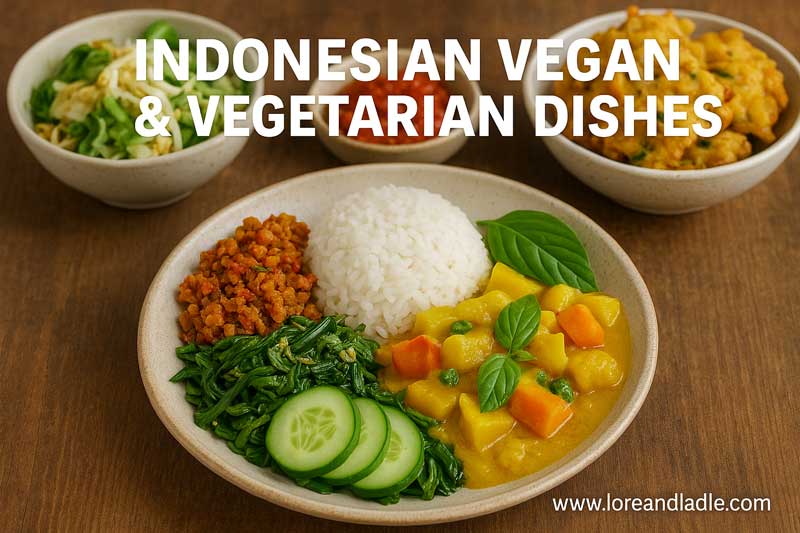
This dish blends tradition with modern dining, creating a vivid expression of Indonesian vegan and vegetarian flavors. Sambal Tempeh Bowls showcase a harmony of textures and colors that invite the senses to linger. The bowl format is practical and welcoming, perfect for busy days in the kitchen and thoughtful meals shared with others. For Indonesian food fans in the U.S., this dish offers a comforting connection to home cooking while presenting familiar ingredients in a bright, contemporary presentation.
Core elements that shape the bowl
Three elements define the heart of this dish: tempeh, sambal, and a fresh array of vegetables. Tempeh, a fermented soy cake, brings a nutty depth and enduring protein. It accepts marinades with ease and develops a pleasing crust when fried. Sambal anchors the dish with heat, brightness, and a kiss of acidity. The vegetable mix adds crunch, color, and seasonal flavor, while the base—rice or another grain—provides a neutral stage that lets the other components sing. Together, these parts form a complete, plant-forward meal that is both satisfying and nourishing.
Tempeh: a staple with depth
Tempeh carries a long-standing place in Indonesian cooking. Its fermentation creates a rich, slightly tangy profile that pairs beautifully with herbs and spices. In this bowl, tempeh is often marinated briefly to take on flavor, then pan-fried until the edges are crisp and caramelized. The result is a bite that contrasts pleasantly with the soft vegetables and the bold sambal. The versatility of tempeh makes it an ideal canvas for Home Cooks in the U.S. to explore regional Indonesian flavors without needing exotic ingredients.
Sambal: the bright, guiding flame
Sambal is more than heat; it is brightness and balance. The paste typically fuses chili, garlic, shallots, and sometimes sweet or sour accents like palm sugar or lime. In this bowl, sambal can be as punchy or as gentle as you prefer, allowing heat to wake the palate while acidity and sweetness carry the flavors into harmony. The sambal’s pulse ties the dish together, giving every bite a lively personality and a sense of place that is unmistakably Indonesian.
Vegetables and grains: color, texture, and balance
A crisp, colorful mix of vegetables brings texture to the bowl. Think julienned carrots, cucumber ribbons, blanched green beans, shredded cabbage, and herbs that add fresh aroma. The vegetables offer relief from the heat of the sambal and provide a refreshing contrast to the fried tempeh. The bed of rice or a wholesome grain—such as jasmine rice, brown rice, or quinoa—grounds the bowl and frames the flavors. This balance of crunchy, soft, spicy, and mild elements embodies a core principle of Indonesian cooking: harmony among diverse ingredients.
Cultural value: flavor as a shared language
This dish speaks to the heart of Indonesian cooking in two powerful ways. First, it elevates plant-based ingredients into vibrant, satisfying meals. Tempeh and sambal are pillars of Indonesian eating, highlighting how simple pantry staples can deliver deep, layered flavor. Second, the bowl format itself reflects a cultural preference for meals that are complete, nourishing, and visually inviting. The colors, textures, and aromas work together to create a generous sense of hospitality and care. For Indonesian food fans in the U.S., this dish becomes a daily reminder of home cooking’s warmth and generosity.
Culinary techniques that elevate home cooking
A few thoughtful techniques make the dish sing. Pressing or patting the tempeh helps it brown evenly and stay crisp. A brief marination with soy sauce, a touch of turmeric, or other seasonings layers flavor into the tempeh before it hits the pan. The sambal is prepared with fresh aromatics, then simmered briefly to merge the flavors and mellow the heat slightly. Assembling the bowl is a simple, mindful act: place the grains, arrange the vegetables with care, add the crispy tempeh, then drizzle or dollop the sambal to taste. The final touch can be a sprinkle of fried shallots or sesame seeds and a wedge of lime for brightness. This sequence—technique, balance, presentation—captures the essence of Indonesian home cooking in a practical, modern format.
A plate that carries Indonesian identity in a bowl
The Sambal Tempeh Bowl is a small exhibition of Indonesian culinary identity. It highlights fermentation as a daily practice, chili as a signature, and plant-based cooking as a generous invitation to everyone. The dish makes visible the beauty of cooking with seasonal vegetables, fresh herbs, and simple seasonings that celebrate natural flavors. In a bowl, these elements become a shared experience—colorful, flavorful, and grounded in everyday cooking that Indonesian people have perfected over generations. For fans in the U.S., it offers a sense of continuity and belonging, even as ingredients may be substituted for accessibility.
How to enjoy this dish in the American kitchen
- Start with a warm bed of jasmine rice or a wholesome grain like quinoa or brown rice.
- Add a vibrant vegetable medley for crunch and freshness.
- Fry tempeh until crisp and gold, then place it atop the bowl.
- Spoon on a generous amount of sambal, adjusting the heat to taste.
- Finish with a bright squeeze of lime, a handful of herbs, and optional toppings like fried onions or sesame seeds.
This approach keeps the dish approachable while staying faithful to Indonesian flavors. It also invites adaptation, so cooks can tailor heat levels and ingredient choices to personal preferences or what’s on hand, without losing the dish’s essential character.
Flavor, texture, and sensory richness
The texture play is a highlight: crisp tempeh, tender vegetables, and soft grains. Flavor-wise, you get a bright kick from sambal, a comforting savor from the tempeh, and a clean, refreshing note from lime and fresh herbs. Colorful vegetables add visual appeal and a sense of seasonal abundance. The overall experience is about balance: warmth and brightness, richness and lightness, spice and relief. This careful balance is a signature of Indonesian cooking, and it translates well to a modern, plant-forward bowl.
Ingredient accessibility and kitchen confidence
In the United States, tempeh, sambal (such as sambal oelek or sambal merah), and kecap manis (sweet soy sauce) are commonly found in major supermarkets, Asian markets, or online. Fresh chilies, garlic, shallots, and lime are widely available. For a milder version, reduce sambal and add a touch of sugar and lime to maintain brightness without heat. For a bolder version, choose a hotter sambal and add a bit more lime juice or vinegar. This flexibility makes the dish approachable for beginners while offering depth for seasoned cooks.
A respectful, inviting culinary conversation
This dish invites cooks and diners to explore Indonesian flavors with curiosity and care. It celebrates plant-based cooking as a vibrant, flavorful practice. It honors the tradition of sambal and tempeh as pantry treasures. And it welcomes U.S.-based Indonesian food fans to share this culinary approach with friends and family. The result is a warm, inviting, and culturally rich meal that respects the past while embracing contemporary eating habits.
Final reflections: a tasty celebration of Indonesian vegan and vegetarian favorites
Sambal Tempeh Bowls and Indonesian Vegan & Vegetarian Dishes Favorites for Indonesian Food Fans in the U.S. present a thoughtful, flavorful portrait of Indonesian culinary culture. The dish is more than sustenance; it is a way to experience the artistry of Indonesian home cooking. The combination of tempeh’s depth, sambal’s brightness, and the crisp, fresh vegetables creates a memorable eating moment. By serving this bowl, you honor technique, seasonality, and the generous spirit of Indonesian cuisine. It is a meal that invites conversation, sharing, and appreciation for the rich flavors that Indonesia offers, now readily enjoyed in kitchens across the United States.