
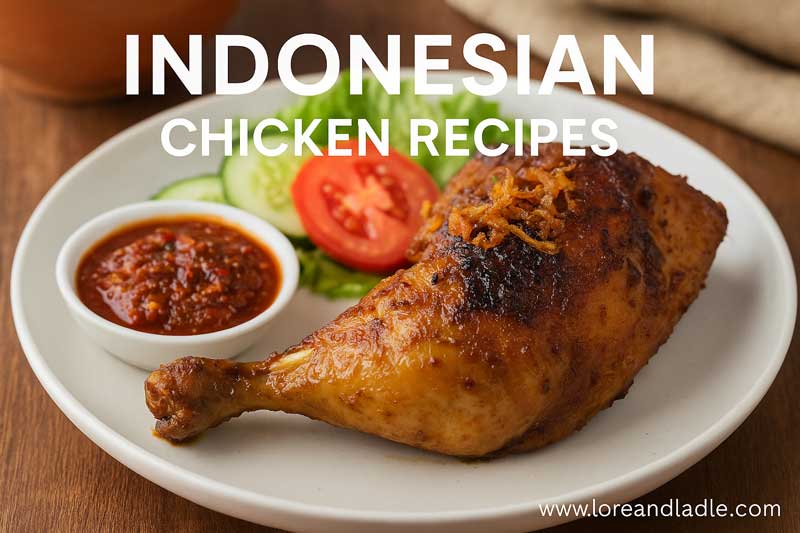
Welcome to Easy Indonesian Chicken Recipes: Sate Kambing and More for Your Next Potluck
Indonesia offers a warm invitation to the kitchen. The dishes here blend bright spices, subtle sweetness, and a love of sharing. This post highlights easy Indonesian chicken recipes that fit well into a potluck setting. While Sate Kambing—goat satay—is a celebrated cousin in the satay family, the focus remains on chicken. You’ll discover how simple steps can bring bold, beloved flavors to the table, encouraging gatherings, conversation, and a shared sense of feast.
The Satay Spirit: Flavor, Fire, and Friendship
Satay is more than a dish. It is a social ritual. Skewered meat grilling over charcoal creates an aroma that travels through kitchens and backyards. The experience is portable, welcoming, and approachable for cooks of all levels. Chicken satay—ayam satay—embodies this spirit with a lighter grill and quick marinating, making it easy to prepare in larger batches for a party. Sate Kambing sits on a parallel path, sharing the same spice wisdom and grill craft. In both cases, the meal becomes a moment for friends and family to gather, savor a shared aroma, and celebrate Indonesian culinary artistry.
Potluck Perfection: Sharing Indonesian Flavor
Potlucks thrive on balance, variety, and warm, simple flavors. Indonesian chicken dishes fit perfectly here. They travel well in a single dish, or as skewered portions that guests can pick up with hands and dip into sauces. The beauty lies in the contrast: tender chicken, a kiss of smoke, and a peanut or tangy sauce that invites dipping. These recipes honor a culture of hospitality—food prepared with care, meant to be enjoyed together. The result is a table where every plate tells a story of neighbors, weekly gatherings, and seasonal celebrations.
Easy Techniques for Indonesian Chicken Satay
You can craft impressive satay with just a few steps. The key is a bright, aromatic marinade and steady, attentive grilling.
- Marinade basics: a blend of soy-based sweet soy (kecap manis), garlic, shallots, coriander, turmeric, cumin, and a touch of chili. A splash of lime juice adds brightness.
- Skewering: thread chicken pieces onto soaked skewers for Easy turning. Even spacing helps every piece cook evenly.
- Grilling: cook over medium heat, turning until lightly charred and juicy. The goal is a caramelized glaze and a hint of smoke.
- Serving: offer a peanut-based sauce with a gentle tang, plus fresh herbs like cucumber slivers or scallions for brightness.
This approach keeps the dish approachable for home cooks while preserving the essence of Indonesian grilling. It is ideal for a potluck because it can be prepared ahead, kept warm in a low oven, and plated with a minimum of fuss.
Peanut Sauce and the Signature Accompaniment
A classic peanut sauce complements satay beautifully. It brings a creamy, nutty depth that harmonizes with the spice notes in the marinade. A well-balanced sauce often includes:
- Roasted peanuts or peanut butter, tempered with water or coconut milk for silk.
- Sweet soy (kecap manis) for a gentle sweetness.
- Garlic, a hint of chili, and lime juice or tamarind for brightness.
- A touch of salt or palm sugar to finish.
The sauce acts as a bridge between meat and plate, inviting dipping and tasting at every bite. For a potluck, you can prepare the sauce ahead and offer it in a small bowl alongside the skewers, so guests can customize their level of sweetness, heat, and tang.
Beyond Satay: Other Easy Indonesian Chicken Dishes
Indonesian cooking offers many simple chicken preparations that pair well with a potluck spread. A few classics in the same family of flavors include:
- Ayam goreng (crispy fried chicken): a tender interior with a crisp, seasoned crust that travels well in takeout or buffet settings.
- Ayam bakar (grilled chicken): marinade-scented and juicy, ideal for outdoor grills or a grill pan indoors.
- Ayam kecap (chicken in sweet soy sauce): a glossy, flavorful dish that uses soy, garlic, and a hint of sweetness.
- Opor ayam (coconut chicken): a creamy option that feels comforting and celebratory, balancing spice with mellow coconut notes.
Each option shares a thread of aromatic herbs, careful simmering or grilling, and a skillful balance of salty, sweet, and citrusy elements. They widen the plate choices at a potluck while staying rooted in Indonesian flavor.
Flavor Profiles: A Palette of Aromatics and Balance
Indonesian chicken dishes shine when careful balance guides the flavor. Core elements often include:
- Aromatics: garlic, shallots, fresh ginger, lemongrass, and turmeric. These create a warm, bright base.
- Sweet-salty notes: kecap manis and palm sugar offer a gentle sweetness that rounds the savory edge.
- Citrus and tang: lime juice or tamarind provides a refreshing lift against the heat.
- Heat: a modest amount of chilies or pepper keeps the flavors lively without overwhelming.
Fresh herbs and greens—such as cilantro or scallions—add a finishing touch that enhances presentation and aroma. The beauty of Indonesian cooking lies in layering these elements with respect and balance, producing dishes that feel both comforting and vibrant.
Practical Tips for Your Next Potluck
To make your Indonesian chicken dishes shine at a gathering, try these simple practices:
- Prepare marinades ahead: marinate the chicken in the refrigerator for a few hours or overnight to deepen flavor.
- Batch grill for efficiency: thread skewers in one batch and grill in a controllable pace so they stay juicy.
- Keep sauces accessible: pour peanut sauce, lime wedges, and fresh herbs into separate bowls for guests to tailor their bites.
- Plate with color: use fresh cucumber ribbons, herbs, and lime zest to brighten the platter and invite tasting.
- Offer variety: include at least one milder option and one with a touch more heat to accommodate different guests.
These steps help ensure your potluck presents Indonesian flavors with clarity and generosity. They also make it easy for guests to sample several dishes and discover their favorites.
A Respectful Approach to Ingredients and Craft
Cultural admiration, rather than imitation, guides these recipes. Use fresh, high-quality ingredients, and honor traditional techniques by grilling over charcoal when possible or using a cast-iron grill pan for a home kitchen. The goal is to celebrate the craft of Indonesian cooking—its methods, textures, and the joy of sharing—without rushing or compromising comfort.
A Friendly Invitation to Taste and Share
In the end, Indonesian chicken recipes like satay and its kin offer more than flavor; they invite participation. The act of skewering, grilling, dipping, and passing a platter around a table is a shared ritual of hospitality. A potluck becomes a warm tapestry of color, aroma, and conversation, where each bite carries a sense of place and a memory of gatherings past.
Whether you try Sate Ayam with a peanut sauce or a simple ayam bakar on a warm evening, you are participating in a culinary tradition that celebrates togetherness, craft, and care. This is the heart of Indonesian cooking: a joy in feeding others and a respect for the balance of tastes that make every dish memorable.
Conclusion: Embrace Indonesian Flavors at Your Next Potluck
Easy Indonesian chicken recipes bring the richness of Indonesian food into accessible, friendly meals. The satay family—whether chicken or goat—offers a model of how spice, smoke, and sauce can create memorable moments around a table. By focusing on the cultural value of sharing and the culinary significance of balanced flavors, you invite your guests to explore a cuisine known for hospitality and warmth. Enjoy the process, savor the textures, and celebrate the beauty of Indonesian cooking in your own home.