
Nasi Uduk and Indonesian Chicken Recipes Favorites for Indonesian Food Fans in the U.S.
Nasi Uduk is more than a meal. It is a warm tradition carried from kitchen to table. in the United States, Indonesian food fans celebrate this dish as a bridge to familiar flavors and comforting memories. The pairing of fragrant coconut rice with savory chicken creates a joyful, inviting plate. This post explores its cultural value and culinary significance with care and clarity.
What Nasi Uduk Is and Why It Feels Like Home
Nasi Uduk is rice cooked in coconut milk with aromatic herbs. Common elements include pandan leaves, lemongrass, and bay leaves. Salt adds a quiet depth. The method yields rice that is soft yet full of scent. The aroma often greets you at the door and sets a welcoming mood. The dish sits at the center of many Indonesian meals, from everyday breakfasts to festive gatherings. Its simplicity invites sharing, and its generosity invites savoring.
The Aromatic Coconut Rice: A Pillar of Indonesian Flavor
Coconut milk coats each grain and carries the fragrance of the spices. The pandan leaf gives a gentle, vanilla-like note. Lemongrass adds a bright edge. Bay leaves lend a subtle warmth. Together, these elements create a universal appeal. In every bite, you feel care in the cooking. The rice becomes a canvas that carries toppings, sauces, and textures with grace. This flavor foundation explains why nasi uduk shines in many menus and kitchen tables.
Ayam Goreng and Other Chicken Favorites
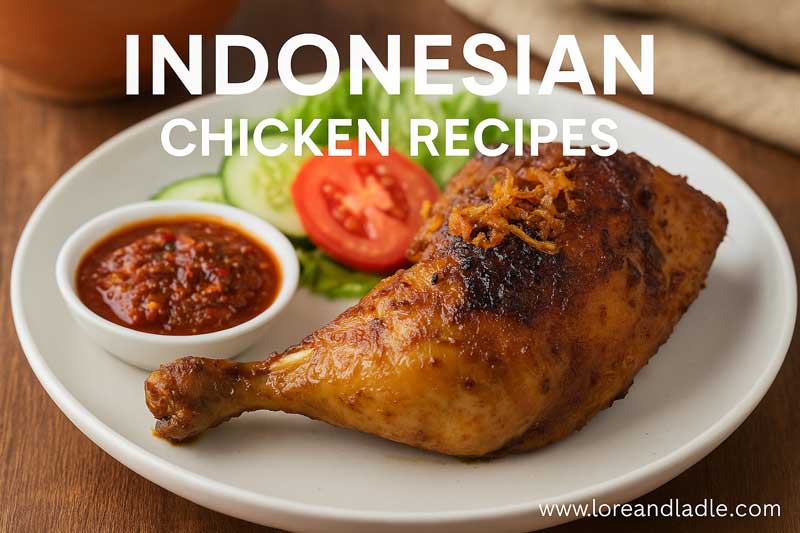
Ayam Goreng, or Indonesian fried chicken, is a natural companion to nasi uduk. The chicken is marinated with garlic, shallots, possibly turmeric, and spices that awaken the palate. It curls into a crisp, golden crust while staying juicy inside. The pairing with kecap manis (sweet soy) or a spicy sambal adds depth without overpowering the rice. Other beloved chicken styles, like Ayam Bakar (grilled chicken), offer complementary smokiness. Together, these preparations show the versatility of Indonesian chicken within a single meal.
The Plate as a Whole: Accompaniments and Texture
A complete nasi uduk plate often includes crispy fried shallots, sliced cucumbers, hard-boiled eggs, and tempeh or tahu. Some cooks add emping crackers or peanuts for crunch. A spoonful of sambal provides a bright kick. The variety of textures—soft rice, tender chicken, crisp toppings—creates a balanced dining experience. Each element supports the others, making the dish feel cohesive and celebratory. The result is a plate that invites conversation and shared bites.
Cultural Value in Indonesian Kitchens
Nasi uduk represents care, hospitality, and family warmth. It is a dish that welcomes guests and marks occasions big or small. The ritual of preparing the coconut rice connects generations through scent and memory. Sharing nasi uduk means sharing stories, smiles, and a common love for Indonesian flavors. This dish also demonstrates how simple ingredients can become something culturally meaningful when crafted with attention and heart.
Enjoying Nasi Uduk in the United States
In the United States, fans of Indonesian cuisine find nasi uduk adaptable and comforting. Home cooks appreciate its forgiving nature: you can adjust spice levels, use available ingredients, and still honor the core character of the dish. Indonesian restaurants here often feature nasi uduk as a breakfast option or a comforting lunch, letting new diners discover its aroma and texture. The dish can be plated for family meals or small gatherings, encouraging fellowship around a shared plate.
Tips for Crafting an Authentic Tasting Experience
- Use coconut milk and pandan if you can; they define the aroma.
- Simmer rice with gentle heat to keep grains separate yet tender.
- Balance sweet, salty, and spicy elements with care.
- Pair with a crisp cucumber slice to refresh the palate.
- End with fried shallots for a warm crunch.
A Gentle Invitation to Explore Indonesian Cuisine
Nasi uduk and Indonesian chicken recipes offer a vivid lens into Indonesian food culture. They reveal how careful techniques and simple ingredients become a story on the plate. This combination invites cooks and diners to slow down, notice aroma, savor texture, and celebrate togetherness. For Indonesian food fans in the United States, these dishes remain a welcoming gateway to a rich culinary heritage and a lifelong source of delight.