
Introduction
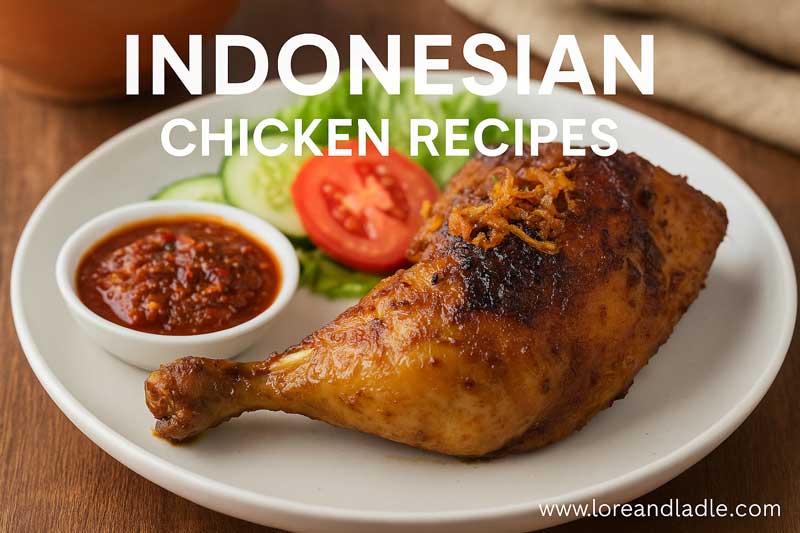
This post introduces a vibrant collection: “9 Indonesian Chicken Recipes to Try If You Love Bold Indonesian Flavor.” The title itself signals a journey through color, aroma, and texture. Indonesian chicken dishes carry a long tradition of balancing heat, sweetness, sourness, and earthiness. They invite cooks to explore the region’s rich spice cargo, from fiery chilies to fragrant herbs. Through these recipes, you can taste how markets, kitchens, and communities celebrate flavor with care and craft. Each dish highlights a distinct technique and a regional sensibility. The result Is a beautiful map of Indonesia’s culinary imagination, centered on chicken, a versatile canvas for boldness and warmth alike.
The heart of bold Indonesian flavor
In Indonesia, bold flavor comes from a harmony of ingredients. Ripe chilies, garlic, shallots, turmeric, lemongrass, galangal, kaffir lime, and coconut appear in many bumbu (spice pastes). Coconut milk softens heat and adds depth. Palm sugar rounds sharp edges with a gentle sweetness. Fresh herbs like lime leaves brighten dishes, while sesame and peanuts add comforting richness. These elements travel between home kitchens and markets, shaping everyday meals and festive spreads. The recipes in this collection show how technique—grilling, frying, braising, or simmering—works with these ingredients to express regional identity and shared culinary joy.
Recipe 1: Ayam Bakar Taliwang
Originating from Lombok, Ayam Bakar Taliwang bursts with bright heat and smoky aroma. A chili-garlic paste coats the chicken, then it grills over open flame to create a lacquered skin. The result blends spicy kick with a touch of sweetness and a roasted, caramelized note. This dish embodies Lombok’s fearless use of chilies and its skill in balancing boldness with harmony. It is a favorite in family gatherings and street stalls, where the sight of sizzling wings invites conversation and appetite. Enjoyed with rice and fresh lime, it becomes a memorable shared moment.
Recipe 2: Ayam Betutu
Ayam Betutu hails from Bali and features a complex spice paste wrapped around the meat before slow roasting or steaming. The paste often includes turmeric, lemongrass, garlic, shallots, and coriander, giving a fragrant, layered aroma. The cooking method concentrates flavors while keeping the chicken moist and tender. Betutu represents patience and ceremonial care, as cooks steep the meat in spice for depth. The dish teaches balance: heat meets perfume, and simplicity meets refinement. It is a centerpiece for gatherings where stories and music accompany a quiet, generous meal.
Recipe 3: Ayam Goreng Kalasan
Ayam Goreng Kalasan comes from the Yogyakarta region and nearby areas. The chicken is marinated to absorb coconut milk, garlic, and brown sugar, then fried to a crisp, golden finish. The result is a deeply savory exterior with a soft, fragrant interior. Kalasan-style chicken demonstrates how gentle sweetness and rich fat planes can elevate fried chicken beyond everyday fare. The dish is a staple in households and special occasions alike, reflecting a tradition of meticulous marination and precise frying that honors every bite.
Recipe 4: Rica-Rica Ayam
Rica-Rica Ayam represents a bright, peppers-and-herbs style from Manado in North Sulawesi. The spice paste blends fresh chilies, garlic, shallots, and sour notes, finished with a touch of vinegar or lime. The chicken braises in this vibrant sauce, soaking up heat and tang until tender and expressive. Rica-Rica shows how regional peppers shape the character of a dish, yielding a culinary story that is both fiery and flavorful. It is a favorite for those who love a lively, zesty chicken with a clear sense of regional pride.
Recipe 5: Opor Ayam
Opor Ayam is a gentle Indonesian curry featuring coconut milk, turmeric, and mild spices. The chicken braises slowly until it becomes silky and aromatic. Opor’s balance of creaminess and warmth highlights the comfort of home cooking. This dish often accompanies festive occasions and daily meals alike, underscoring how coconut-based curries connect coastal and inland ingredients. Opor Ayam invites table-sharing and relaxed conversation, letting the spices carry a soothing sweetness that speaks to family and care.
Recipe 6: Sate Ayam
Sate Ayam, or chicken satay, showcases skewered meat grilled with a bumbu glaze and served with peanut sauce. The marinade often relies on coriander, cumin, garlic, and turmeric, yielding meat that is juicy and deeply seasoned. Grilling imparts smoky depth, while the peanut sauce adds a creamy, nutty contrast. Sate Ayam is a social food, enjoyed in markets, at celebrations, and during casual meals with friends. Its universal appeal lies in the simple pleasure of sharing skewers and dipping sauces while celebrating togetherness.
Recipe 7: Ayam Kecap
Ayam Kecap, a soy-glazed chicken, highlights the savory-sweet harmony of soy sauce with palm sugar and aromatics. The dish braises quickly, allowing the glaze to cling to the meat and create a glossy finish. Aromatic elements like ginger and garlic balance the deep umami of the soy. Ayam Kecap is a versatile favorite for weeknight meals and small gatherings, offering a comforting, everyday elegance that still feels special. It demonstrates how a few pantry staples can yield a bold, satisfying experience.
Recipe 8: Ayam Penyet
Ayam Penyet features smashed, crisp-fried chicken served with a lively sambal and simple accompaniments. The crunch of the crust meets the bright heat of the sambal, creating a satisfying contrast in texture and flavor. This dish embodies Indonesian street-food energy: quick, confident, and designed for sharing. The tactile pleasure of breaking through the crust, dipping into sambal, and savoring a juicy interior makes Ayam Penyet a popular choice for casual meals with friends and family.
Recipe 9: Rendang Ayam
Rendang Ayam adapts the iconic rendang method to chicken. Slow simmered with rich spice paste, coconut milk, and toasted spices, the meat becomes deeply aromatic and deeply flavorful. The dish carries the soulful warmth of Minangkabau culinary artistry, where patience and layering create profound richness. Rendang Ayam showcases how bold spices can deliver complexity without overwhelming the palate. It remains a celebration dish that invites careful tasting and shared enjoyment.
Closing thoughts
Together, these nine recipes offer a living portrait of Indonesian culinary culture. Each dish emphasizes different heat levels, aromas, textures, and techniques. They celebrate how cooks honor ingredients, seasons, and family traditions with care. If you love bold Indonesian flavor, this collection invites you to explore, cook, and share. The result is a delicious bridge between regional pride and universal joy—a reminder that good food connects people through flavor, stories, and hospitality.