
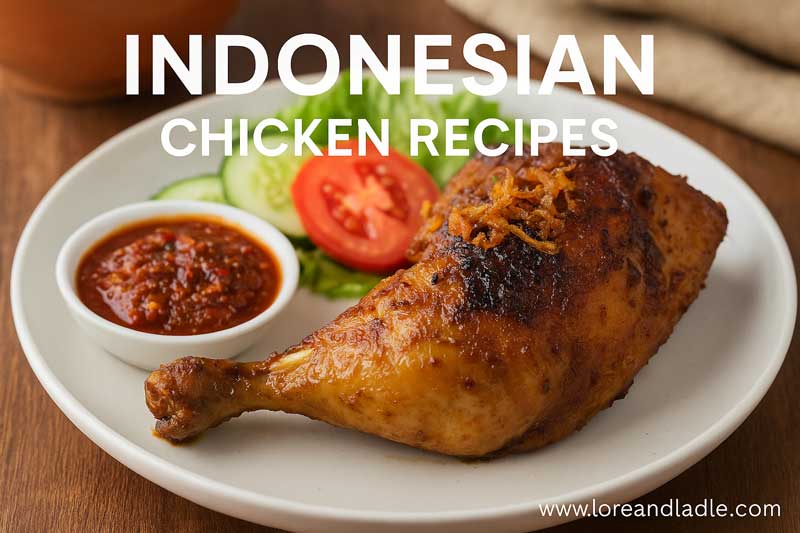
A Warm Introduction to Tempeh Goreng
Tempeh Goreng is a beloved dish that celebrates texture, aroma, and simple ingredients. In Indonesian home cooking, this fried tempeh shines as a everyday delight that friends gather around. The recipe invites conversation, shared plates, and a sense of comfort. With crisp edges, nutty depth from the fermentation, and a bright finish from herbs and dipping sauces, Tempeh Goreng offers a welcoming culinary moment that travels well to the U.S. kitchen. The dish values craft, balance, and the joy of presentation.
Tempeh, Fermentation, and Flavor
Tempeh is more than a protein ingredient; it carries a gentle fermentation that enriches its flavor and texture. The soybean cake develops a subtle nuttiness and a firm bite that holds up to frying. In Tempeh Goreng, cooks honor this character by letting tempeh soak briefly in a simple marinade of garlic, soy, and a pinch of salt. The result is a versatile canvas: savory, slightly earthy, and ready to pair with bright sauces and fresh vegetables. This harmony of taste reflects a culinary philosophy that favors patience, balance, and the beauty of natural ingredients.
The Frying Craft and Texture
Frying tempeh is a study in contrast: a crisp, light crust surrounding a tender center. The technique emphasizes care: dry the tempeh well, coat lightly, and slide it into hot oil with a steady hand. A quick second fry can lift the crust to a delicate crunch. Each bite delivers a satisfying snap, followed by a creamy interior that carries the marinade. This craft is a celebration of texture, where technique and ingredient meet to create an inviting eating experience.
Flavor Pairings and Serving Traditions
The flavor profile of Tempeh Goreng invites complementary accompaniments. A garlic-scented sesame-soy glaze or a touch of kecap manis adds depth, while a bright sambal brings heat and brightness. Peanut sauce or a tangy lime-chili dip enhances the dish without overpowering its intrinsic nuttiness. Fresh cucumber slices, shredded cabbage, or herbs add cool contrast and color. Serving Tempeh Goreng with steamed rice or a light noodle dish makes a complete, balanced plate that honors both simplicity and richness.
Bringing Tempeh Goreng to American Tables
For friends in the U.S., Tempeh Goreng offers a welcoming bridge between familiar comforts and new flavors. Home cooks can adapt marinades to available ingredients while preserving the dish’s core character: a crisp exterior, a savory core, and lively sauces. The recipe shines in gatherings, potlucks, and weeknight meals alike, inviting conversation about ingredients, technique, and shared taste. Plating with a few colorful garnishes—lime wedges, cilantro sprigs, or toasted sesame—adds a sense of celebration without complicating the process.
Practical Tips for a Bright, Impressive Plate
- Choose firm tempeh for clean slices that fry evenly.
- Pat tempeh dry to guarantee crispness.
- Lightly dust with cornstarch or rice flour for extra crunch.
- Use a hot, shallow oil bath and avoid overcrowding the pan.
- Offer a trio of sauces: a tangy peanut dip, a chili-lime spice, and a sweet-soy glaze.
- Garnish with fresh herbs and crisp vegetables for color and balance.
A Respectful Celebration of Craft and Culture
Tempeh Goreng honors a seed-to-table journey that blends fermentation, frying craft, and thoughtful pairings. It invites cooks to slow down a little, notice texture, and savor aroma as it travels from pan to plate. In the U.S. kitchens, this dish becomes a respectful celebration of Indonesian culinary artistry—an invitation to share, learn, and delight in the beauty of traditional flavors adapted with care. The result is a dish that impresses not by complexity alone, but by the clarity of its taste, the balance of its textures, and the warmth it brings to the table.