
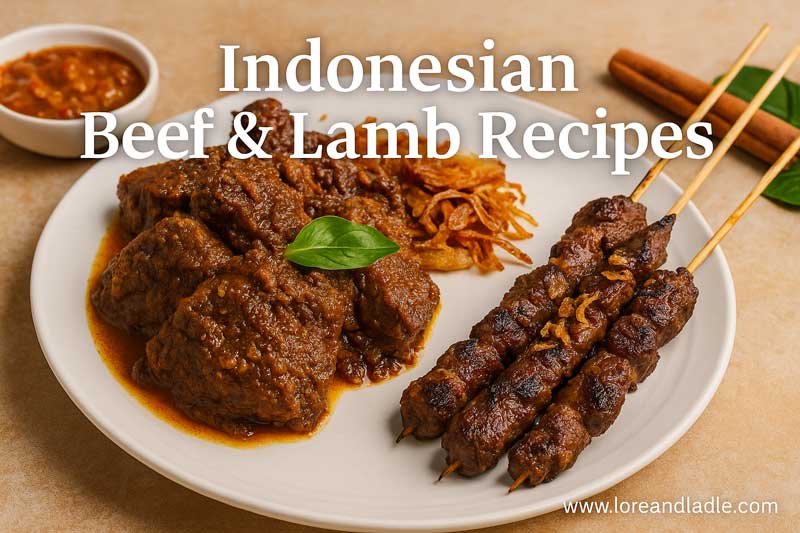
How to Make Comforting Pempek Palembang at Home (Indonesian Beef & Lamb Recipes Idea)
Pempek Palembang is more than a recipe. It is a fragrant thread that ties family kitchens, local markets, and the rhythms of Palembang together. When you bring this dish into your home, you invite a taste of a city known for its careful balance of texture, sweetness, and brightness. In this version, a beef and lamb adaptation stays true to the spirit of Palembang’s technique while offering a comforting, meaty twist that Home Cooks can savor with loved ones.
The cultural value of Pempek Palembang
Palembang cuisine is renowned for its distinctive chewiness and harmony of flavors. Pempek represents a careful craft: a dough that blends meat or fish with starch to produce a resilient bite, then paired with a luminous, piquant sauce. The dish is a celebration of skill passed through generations, from the hands that grind and shape to the cooks who master the simmered bouquet of spices.
Culturally, pempek is a dish for gatherings and daily meals alike. It appears at family tables, during festivals, and in simple kitchen rituals that turn cooking into a shared rite. The process—mixing the filling, forming the dough, and choosing the right cooking finish—inspires patience and pride. When you serve pempek with cuko, you invite friends and family to slow down, savor texture, and enjoy a balanced bite that reflects Palembang’s preference for harmony in taste.
A modern twist: beef and lamb as a comforting heart
Traditionally, pempek uses fish as its backbone. The idea of a beef and lamb version honors the same culinary principles: texture, aroma, and a sauce that brightens and brightens the palate. Ground beef and lamb bring a rich depth, a familiar comfort for many home cooks, while the tapioca starch or a touch of rice flour helps recreate the chewy bite that makes pempek distinctive.
This adaptation keeps the technique clear and approachable. The meat is seasoned with gentle aromatics, then bound with starch to form smooth, workable dough. The goal remains the same: to create a dough that holds shape, offers resilience, and invites a second bite. Through this lens, the beef and lamb version becomes a bridge between regional tradition and contemporary home cooking, inviting cooks to honor Palembang’s culinary method while enjoying a cozy, familiar protein.
The cuko sauce: balance as a cultural thread
Cuko sauce is the heart of pempek’s identity. It is a sweet-sour broth that brightens the meal and contrasts the dense, chewy dough. In Palembang practice, cooks balance palm sugar, tamarind, garlic, and chilies with a touch of vinegar or lime. This balance is not mere flavor; it is a reflection of a culinary ethic that values contrast—soft and sharp, warm and bright, gentle texture and bold sauce.
In the beef and lamb rendition, the sauce remains the guiding star. Its brightness lifts the meat dough, while the spice notes echo the robust flavor of the meat. A well-made cuko feels both comforting and uplifting, a reminder that simple ingredients can carry deep cultural meaning when treated with care.
Texture, technique, and the beauty of form
Pempek’s charm lies in texture. The dough needs to be malleable yet firm, smooth enough to shape, and elastic enough to hold its form during cooking. In fish-based pempek, fish paste blends with starch to yield chewiness. In the beef and lamb version, you create a similar texture by finely grinding meat and blending it with tapioca starch, a bit of hot water, and a pinch of salt. The result is a dough that is easy to shape—whether you roll, twist, or stuff—yet sturdy enough to stand up to boiling and a quick fry finish.
The shaping phase is a quiet act of care. Cords, spheres, or elongated shapes each carry a memory of Palembang’s street vendors and home kitchens. The neat forms are not only pleasing to the eye; they ensure even cooking and a generous bite with every piece. This appreciation for form mirrors a wider cultural value: beauty in function, and function in beauty.
Serving, sharing, and the sense of place
Pempek is almost always served with cucumber slices, sliced scallions, and the signature cuko. The contrast of cool, crisp cucumber against the warm, chewy dough makes the dish feel soothing and refreshing in one bite. In a home setting, this is a moment for conversation: a chance to talk about what you taste, to share tips, and to pass on a method that carries meaning.
A beef and lamb pempek meal often becomes a small event. Plates are arranged, sauces are poured, and guests help themselves, creating a rhythm of serving that encourages connection. The dish supports a quiet, comfortable dining experience, where aroma and texture invite lingering, not rush. That gentle pace is a key part of its cultural value: cooking and eating become acts of care, memory, and community.
Practical guidance for home cooks
To bring this comforting pempek to your table, follow a simple, respectful steps outline. This approach keeps the focus on texture, balance, and the shared joy of cooking.
- Step 1: Prepare the meat dough. Finely grind beef and lamb. Mix with tapioca starch, a small amount of hot water, and salt. Add a mild onion powder or finely minced shallots for aroma. The dough should feel soft but hold its shape.
- Step 2: Shape the pempek. Form the dough into finger-length pieces or small cylinders. You can also create hollow tubes to emulate kapal selam shapes if you enjoy tradition with a twist.
- Step 3: Cook gently. Boil the shaped pieces until they rise to the surface, then simmer for a few minutes more to set the texture. Remove and pat dry.
- Step 4: Finish with a golden crisp. Lightly fry the boiled pieces until the outside is lightly crisp and the inside remains tender. This contrast is part of the dish’s comforting appeal.
- Step 5: Make the cuko sauce. Simmer palm sugar with tamarind water, garlic, a touch of salt, and chili to taste. Adjust the sweetness and sourness until it feels balanced and bright.
- Step 6: Serve with accompaniments. Present pempek with cucumber slices and fresh herbs. Offer the warm cuko in a small dish for dipping. Enjoy at a comfortable pace, with conversation and shared bites.
A welcoming invitation to home cooking
This version of pempek Palembang invites home cooks to explore a regional treasure with a familiar protein base. The technique remains a respectful nod to Palembang’s culinary heritage, while the beef and lamb combination adds a new layer of richness and comfort that many families will appreciate. The dish demonstrates how regional flavors can adapt gracefully to bring warmth and nourishment to today’s kitchens.
Final thoughts: the beauty of a shared table
Pempek Palembang is a gentle reminder that food can bind people through shared textures, bright sauces, and thoughtful preparation. Whether you follow tradition with fish or explore a beef and lamb adaptation, the dish remains part of a cultural landscape that celebrates craft, balance, and family-meal warmth. In this light, making pempek at home becomes more than cooking; it becomes a small cultural gesture that honors a city’s culinary heart while welcoming your own kitchen into a broader, comforting conversation.