
Introduction
Spicy Gado-Gado Salad at Home is more than a dish. It is a celebration of Indonesian flavors, textures, and seasonal beauty. This salad blends crisp vegetables, soft tofu or tempeh, and a lush, peanut-forward sauce. The result is vibrant, satisfying, and deeply rooted in everyday cooking. By making it at home, you invite a piece of Indonesian food culture into your kitchen and share it with friends and family.
A harmony of taste and texture
Gado-Gado is built on contrast. Crunch meets cream, mild meets bold, and fresh cuts mingle with a silky sauce. The vegetables vary with the season, offering a bright spectrum that mirrors locality and harvests. in the sauce, peanuts provide a nutty, human warmth; chili adds a friendly kick; lime or tamarind introduces brightness; and palm sugar or kecap manis adds gentle sweetness. This balance is the heartbeat of the dish. It teaches us to listen to the ingredients and let their natural flavors lead.
The sauce that speaks
The peanut sauce is central to Gado-Gado’s culinary identity. It is made with roasted peanuts, garlic, and chilies, often enriched with a touch of sweet soy sauce (kecap manis) and a squeeze of lime. A little coconut milk can soften and round the heat, if you like. The sauce should be smooth enough to cling to vegetables, yet bright enough to enliven every bite. Learning to taste and adjust salt, acidity, and sweetness is a small art. In many homes, making this sauce becomes a comforting ritual passed down with tips and family memories. The result is a sauce that can carry the dish from everyday meals to festive gatherings with ease.
Regional voices and culinary significance
Gado-Gado travels across Indonesia, and regional hints appear in every version. Some versions favor cabbage, bean sprouts, and spinach; others include boiled potatoes, green beans, or cucumber. Tempeh and tofu offer protein with a gentle bite. On top, fried shallots and fresh herbs add aroma and color. Rice cake or lontong may anchor the dish, making it heartier. This variety speaks to Indonesian culture’s appreciation for freshness, balance, and shared plates. It also shows how a single concept—mixed vegetables with a rich peanut sauce—can bloom into many expressions, each with its own character yet clearly belonging to the same culinary family.
Satay and grilled skewers: a complementary idea
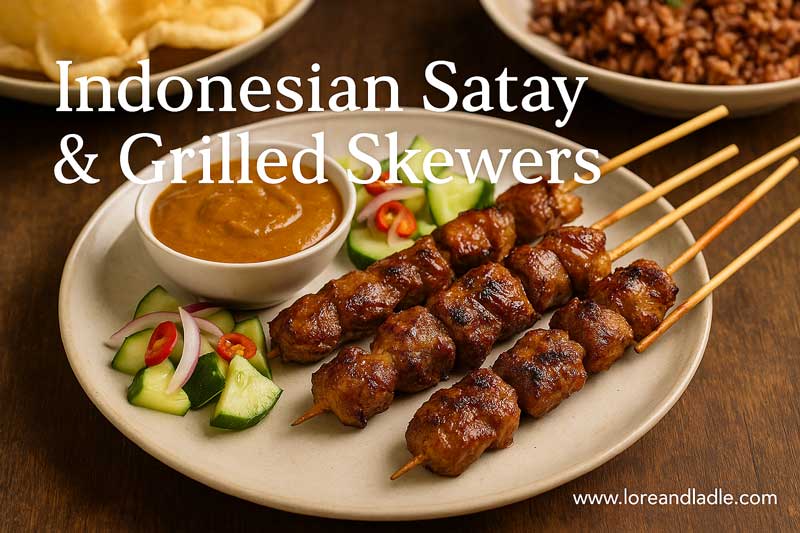
While the core is the spicy Gado-Gado, pairing ideas can broaden the dining moment. Satay and other grilled skewers share the same peanut-loving spirit. Serving spicy Gado-Gado beside skewers creates a lively, multi-textured table. The smoky notes from grilled meat or vegetables contrast beautifully with the crisp vegetables and creamy sauce. This pairing reflects a cooking culture that loves social meals, where variety on one platter invites conversation, sharing, and discovery. It is a simple, welcoming idea for home cooks who want to honor Indonesian flavors while creating a festive, modern presentation.
Home-cooking tips for authenticity
- Choose a bright mix of fresh vegetables, and use colors you enjoy. Freshness matters more than exact variety.
- Toasted peanuts create depth. If you’re short on time, a natural peanut butter with added oil can be a convenient substitute, but toast the peanut butter lightly to regain aroma.
- Balance is key. Taste frequently. Adjust acidity with lime or tamarind, sweetness with palm sugar or a drizzle of kecap manis, and heat with chili.
- Include protein. Tofu or tempeh can be fried or pan-seared for a satisfying texture that complements the vegetables.
- Serve with warmth or at room temperature. The sauce thickens as it sits, so loosen with a little water or coconut milk before serving.
- Presentation matters. A sprinkle of fried shallots and chopped herbs brightens the dish and adds a fragrant finish.
Plating and serving traditions
Gado-Gado shines on a clean plate that lets the colors speak. Arrange vegetables in a way that celebrates their shapes and hues. Drizzle or toss with the peanut sauce so every bite has flavor. Garnish with herbs, scallions, or crispy elements for contrast. If you like it, offer slices of lime on the side to add a fresh zing. Sharing the dish on a family table or a casual party creates a sense of belonging and delight in everyday cooking.
A dish with cultural value
Spicy Gado-Gado Salad at Home embodies Indonesian culinary values: balance, freshness, and generosity. It invites cooks to engage with seasonal produce, to respect textures, and to honor a sauce that brings depth to simple vegetables. It also demonstrates how a single dish can evolve through personal technique while keeping its core identity intact. By preparing and sharing this salad, you connect with a tradition that celebrates flavor, community, and the joy of cooking together.
Conclusion
If you seek a dish that is lively, nourishing, and endlessly adaptable, Spicy Gado-Gado Salad at Home offers a beautiful path. It honors Indonesian flavors with a respectful, joyful palate. Try it as a centerpiece for a casual meal or as a bright starter that pairs well with grilled skewers. Most of all, savor the experience of blending textures, bright ingredients, and a peanut sauce that binds them all. Welcome this dish into your kitchen, and let it become a small but meaningful bridge to Indonesian food culture.