
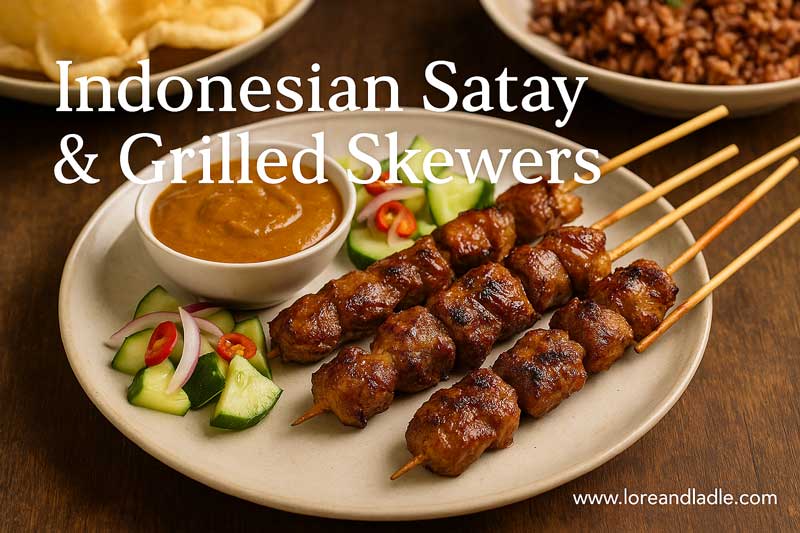
Welcome to Sate Kambing 101: Simple Ways to Unlock Big Indonesian Flavor. This dish embodies a culture of sharing, street markets, and the warmth of home kitchens. The goat satay is more than a meal; it is a story told in smoke, spice, and a peanut sauce that binds friends and family. In this post, we explore the cultural value and culinary significance of Sate Kambing, and we offer practical ideas to bring its vibrant flavor to your table.
Why Sate Kambing Matters
Sate Kambing sits at the heart of Indonesian food culture. It appears on street corners, in family gatherings, and at festive meals. The prepare-and-share ritual invites everyone to gather, sample each skewer, and trade stories between bites. The dish celebrates hospitality, patience, and balance. Meat, spice, and aroma come together to create a moment of connection. Across towns and villages, the satay variation reflects local tastes while maintaining a shared language of flavors. In this sense, Sate Kambing is more than food; it is a daily practice of warmth and togetherness.
Core Flavors of Sate Kambing
What makes Sate Kambing so memorable is the dance of core flavors. Goat meat offers a lean, tender bite when treated with care. The marinade typically blends garlic, shallots, coriander, cumin, turmeric, and a hint of nutmeg or clove. A touch of tamarind and palm sugar adds brightness and depth. The result is meat that carries aroma without heaviness. The accompanying peanut sauce brings sweetness, roasted peanut richness, garlic, chilies, and a splash of kecap manis for a gentle, caramelized finish. Together, the smoky grilled meat and glossy sauce create a harmony that defines Indonesian flavor in a single mouthful.
From Grill to Table: Techniques that Unlock Flavor
To unlock authentic flavor, technique matters as much as ingredients. First, marinate the meat long enough to allow spices to penetrate. A few hours suffice, but overnight marination yields deeper aroma and tenderness. Next, skewering should be even, so each bite reaches the heat consistently. Then comes the grill step: charcoal or wood fire adds a subtle smoky layer that gas grills cannot fully replicate. While grilling, baste lightly with oil or a small amount of marinade to keep the surface moist and to encourage a gentle glaze. Finally, rest the skewers briefly after grilling, letting juices redistribute. When you serve, present the satay with peanut sauce on the side or draped lightly to preserve the char.
Regional Variations and Celebrations
Indonesia’s vast archipelago offers several beloved twists on Sate Kambing. Java often features a slightly thicker, richer peanut sauce with a balanced sweetness that pairs with steamed rice or lontong. In other regions, peppery or citrus brightness can shine through, reflecting local spice preferences. Lombok and Bali showcase bolder spice notes or coconut hints, yielding a brighter, creamier finish. Across all variants, satay is commonly enjoyed with accompaniments like lontong or rice cakes, fresh cucumber slices, and a side of acar or pickled vegetables. These variations highlight regional pride while preserving a shared method: skewered meat kissed by fire and a generous spoon of peanut sauce.
Pairings and Presentation
The beauty of Sate Kambing often rests in its presentation. Serve skewers in neat bunches on a platter and place the peanut sauce nearby for dipping. A small bowl of fresh cucumber and onion relish can offer a crisp contrast. For a complete experience, pair the dish with rice or lontong, plus a squeeze of lime to brighten the final bite. The visual appeal comes from glossy sauce, golden-brown char, and the vibrant color of fresh herbs or lime. Each plate tells a quiet story of care, craft, and a shared meal.
Quick Tips for Home Cooking
- Choose fresh goat meat or a trusted butcher; look for bright color and a clean aroma.
- Marinade for at least 4 hours; overnight if possible, for deeper flavor.
- Slice meat against the grain to ensure tenderness after grilling.
- Soak bamboo skewers to prevent burning and to keep grilling efficient.
- Use charcoal or a capable grill to achieve a hint of smoke.
- Prepare the peanut sauce ahead; adjust sweetness with palm sugar and brightness with tamarind or lime.
- Keep a gentle flame and avoid overcooking; aim for a slight char on the outside and a juicy center.
- Serve with classic accompaniments like lontong, cucumber slices, and a small amount of acar for contrast.
A Note on Craft and Craftsmanship
Sate Kambing teaches respect for ingredients and patience in technique. The flavor emerges when fire, spice, and time meet in balance. This dish invites cooks to observe texture, aroma, and color as a guide to doneness. It rewards careful preparation and mindful tasting. in the end, the dish reflects a living tradition that welcomes guests, honors shared meals, and celebrates masterful simplicity.
If you’re new to Indonesian flavors, Sate Kambing offers a friendly, flavorful entry point. It invites you to pause,香, and savor. With thoughtful marination, attentive grilling, and a generous sauce, you unlock a big, inviting flavor that speaks to culture, community, and culinary craft.