
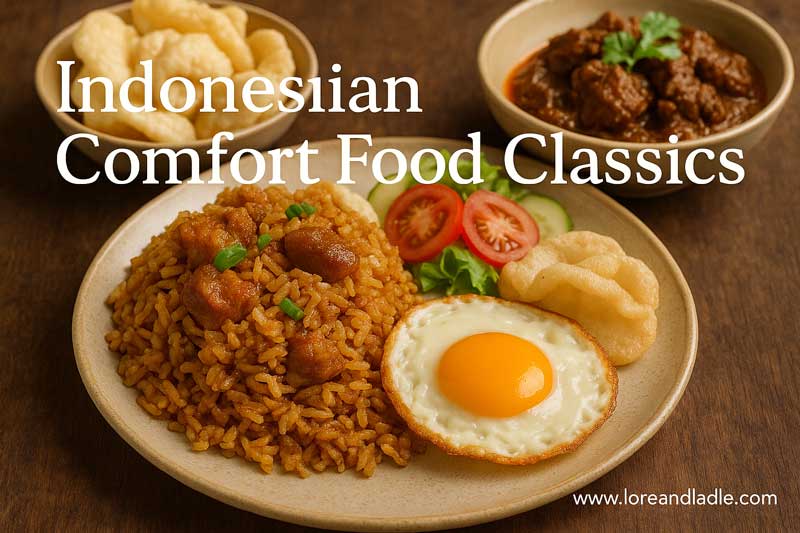
Indonesian Coconut Corn Fritters and Other Authentic Indonesian Dishes Loved in America
Indonesian cuisine offers a vibrant tapestry of flavors, textures, and techniques. Among its beloved snacks and meals, Indonesian Coconut Corn Fritters stand out as a bright, comforting bite. This dish, along with several other authentic Indonesian dishes, has found a warm welcome in American kitchens and dining spaces. The story here celebrates cultural value and culinary significance, inviting readers to taste the harmony of ingredients that echo Indonesia’s regional diversity.
What makes the coconut corn fritters special
First, these fritters bring together two familiar pantry stars: corn and coconut. Fresh corn adds a gentle sweetness and a sturdy bite, while grated coconut contributes a nutty aroma and a hint of tropical richness. The batter often blends these elements with a light balance of flour, egg, and seasonings. The fritters fry until the exterior turns a crisp golden, while the inside stays tender. This contrast—crisp exterior, moist interior—creates a satisfying texture that invites repeat bites. In addition, a gentle use of garlic, shallot, and a touch of pepper or chili can lift the flavor without overwhelming the corn’s natural sweetness. The result feels both celebratory and approachable, a small dish that can stand on its own or pair beautifully with a dipping sauce.
The cultural value of Indonesian snacks
Indonesian snacks like these fritters carry more than taste. They embody the resourcefulness of home cooks who transform everyday ingredients into comforting treats. Coconut is a staple in coastal regions, where it infuses dishes with fragrance and depth. Corn is a versatile grain that resonates with many families across the archipelago and beyond. When these two ingredients meet in a fritter, they carry a story of local harvests, family gatherings, and shared meals. The fritter become a social food—easy to prepare for a crowd, delightful to share, and comforting to savor with friends or family. In this way, the dish plays a role in everyday life as well as in festive occasions. The act of frying and presenting the fritters invites hospitality and a sense of welcome, traits that travel well into American dining rooms and street-food stalls alike.
Culinary significance and technique
Next, the technique matters as much as the ingredients. The batter should be cohesive enough to hold together in gentle, careful frying. A well-timed fry yields a fritter with a crisp edge and a soft center, which allows flavors to mingle rather than overwhelm. The coconut provides aroma and a subtle richness that enhances sweetness from the corn. Proper seasoning matters too: salt to balance sweetness, a whisper of sugar if desired, and a bright finish from a squeeze of lime or a dollop of a tangy sauce. Variations exist: some cooks add shredded coconut for extra texture, others fold in sliced scallions for a fresh bite. These choices reflect regional preferences and family traditions, yet all share a common goal—delivering comfort through a familiar, friendly bite. The fritters thus offer a clear example of Indonesian culinary technique: balance, texture, and a mindful touch of aroma.
A palette of flavors: serving and pairing
Furthermore, serving options enhance the experience. A light, sweet chili sauce or a soy-based dipping sauce can provide a gentle contrast that brightens the fritters without masking their coconut aroma. A wedge of lime or a splash of palm sugar syrup can offer extra lift for those who enjoy a hint of brightness. The fritters pair well with a cup of tea, jasmine tea in particular, or a refreshing coconut water that echoes the dish’s tropical notes. In American dining rooms and casual eateries, these fritters often appear as a snack, starter, or accompaniment, inviting guests to begin their meal with a taste of Indonesian versatility. The simple act of sharing fritters sets a welcoming tone, inviting conversation about flavors and textures that make Indonesian food feel both new and familiar.
Other authentic Indonesian dishes loved in America
Additionally, Indonesians share a broad spectrum of dishes that Americans increasingly admire for depth and soul. Rendang, a slow-simmered meat dish with rich spices, offers a deep, warming profile that lingers on the palate. Nasi goreng, the iconic Fried Rice, blends savory notes with bright accents such as scallions and kecap manis, creating a comforting one-pan meal. Gado-gado, a vibrant salad of vegetables with peanut sauce, showcases balance between fresh produce and a creamy, nutty finish. Satay, skewered and grilled, brings smoky aroma and a satisfying chew, often paired with a tangy peanut sauce. Bakso, a hearty meatball soup, offers comforting textures in a clear broth. Soto, a fragrant broth-based soup, provides warmth and complexity. Tempeh, a cultured soy product, adds plant-based depth and versatility. Finally, sambal, in its many forms, provides the spark of heat and bright fruit or spice notes that lift the whole meal. Together, these dishes reveal Indonesian culinary breadth and its ability to adapt to different dining moments. Americans enjoy these dishes in homes, at markets, and in restaurants, where they reveal Indonesia’s flavorful textures and careful seasoning.
The place of these dishes in American dining culture
Moreover, the presence of Indonesian dishes in American eating spaces reflects a welcoming culinary landscape. Home cooks discover new flavors by preparing familiar textures with Indonesian twists. Local chefs experiment with ingredient availability and regional preferences, producing dishes that remain true to Indonesian taste while appealing to American palates. This exchange highlights how food can act as a bridge: it invites curiosity, celebrates craftsmanship, and honors the craft behind every recipe. The accessibility of ingredients—coconut, corn, spices, fresh herbs—helps these dishes travel from kitchen to table with ease. In restaurants, these plates often appear with clear descriptions that explain flavor profiles, making it easier for diners to appreciate the artistry behind each bite. The result is a wholesome, inviting dining experience that respects tradition and welcomes innovation.
Regional influences and variations
Additionally, Indonesia’s geographic variety brings subtle differences to similar dishes. Coastal areas emphasize coconut and bold aromatics, while inland regions highlight earthier notes and lighter finishes. For the coconut corn fritters, this might mean a touch more coconut in the batter in one region, or a crisper fry in another. In the broader family of Indonesian dishes, you will find a spectrum of sauces, bases, and textures that reflect local harvests, seasonality, and culinary creativity. Americans who explore Indonesian cuisine may notice these nuanced differences across dishes and restaurants, appreciating how a single dish family can show many faces. This variety enriches the dining experience and demonstrates the adaptability and richness of Indonesian cooking.
A welcoming invitation to the table
Finally, these dishes invite readers and diners to a respectful, curious exploration of flavor. The coconut corn fritters present a gentle entry point: modest heat, balanced sweetness, and a comforting crunch. From there, one can journey to other Indonesian favorites, discovering how spice, aroma, and texture work together to craft a memorable meal. The overall effect is welcoming and uplifting, a reminder that food can be a shared joy across cultures. In American kitchens and eateries, these dishes become a celebration of flavor, technique, and the beauty of Indonesian culinary artistry.
Conclusion
In closing, Indonesian Coconut Corn Fritters and Other Authentic Indonesian Dishes Loved in America reveal a culinary landscape that is at once comforting and adventurous. The fritters illustrate how simple ingredients can become a refined, joyful bite through careful balance and technique. The broader family of Indonesian dishes shown here demonstrates a cuisine that values aroma, texture, and depth, inviting diners to savor each course with curiosity and gratitude. Together, these dishes enrich American dining by offering flavor stories that are respectful, flavorful, and endlessly inviting. They stand as a tribute to Indonesian food culture’s artistry and its ability to enchant cooks and diners alike.