
Introduction: A celebration of flavor and community
Indonesian Peanut Noodle Bowls and Indonesian Soups & Stews Favorites for Indonesian Food Fans in the U.S. invites readers to explore a vibrant culinary duo. This collection centers on color, aroma, and texture, inviting cooks to recreate the warmth of Indonesian markets at Home. The dishes honor regional ingredients and time-honored techniques, turning everyday meals into meaningful rituals. In the U.S. kitchen, these bowls and bowls-and-soups harmonize tradition with accessible produce, creating inviting meals for family and friends.
The cultural value of Indonesian Peanut Noodle Bowls
Peanut noodle bowls showcase a bright, nutty sauce that binds texture and taste. The sauce blends peanuts, garlic, chilies, kecap manis, and lime, yielding a balance of sweet, savory, and tangy notes. This dish highlights the Indonesian skill of layering Flavors in harmony. The noodles, often thin rice or glass noodles, offer a delicate bite that carries the sauce beautifully. Crisp vegetables, fresh herbs, and a final squeeze of lime add freshness and contrast. Sharing these bowls echoes a common practice: turning simple ingredients into a comforting, social meal.
The culinary significance of Indonesian Soups & Stews Favorites
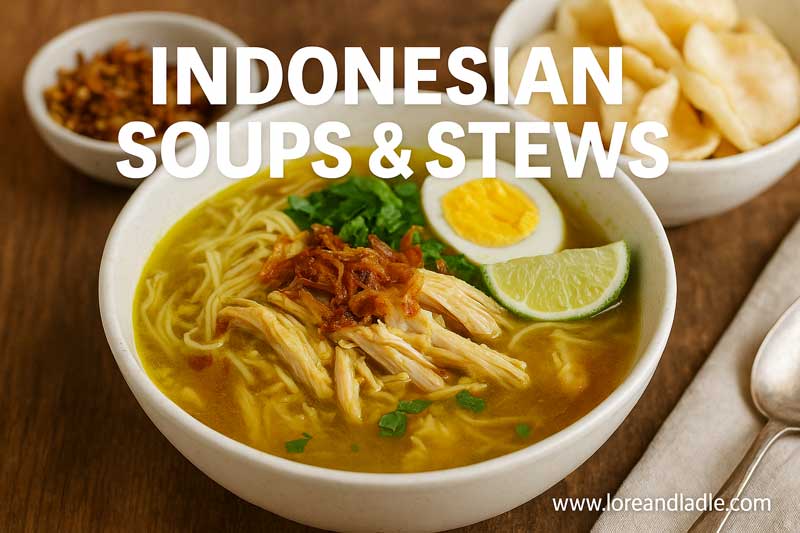
Indonesian soups and stews bring depth through broth, spice, and coconut milk. Soto ayam, a fragrant chicken soup, relies on turmeric, lemongrass, and herbs to create a warm, glowing bowl. Opor ayam presents a creamy, coconut-rich curry where spices mingle softly with meat. Rawon delights with a dark, earthy broth enriched by keluak or other seeds, inviting careful tasting and texture appreciation. Sayur asem offers bright, sour-sweet notes from tamarind and vegetables, balancing the meal with acidity. Together, these soups and stews celebrate breath and balance: simmering to extract character, then soothing with a gentle finish. In American kitchens, they become accessible introductions to regional Indonesian flavors and technique.
Ingredients and techniques that unite the dishes
Both bowls and soups rely on a core pantry: peanuts or peanut paste, coconut milk, garlic, shallots, chilies, and fresh herbs. Aromatics like galangal, lemongrass, and kaffir lime leaf deepen the fragrance. Soy sauce and palm sugar provide depth and gentle sweetness. Techniques include quick stir-frying to bloom aromatics, careful simmering to develop broth, and precise seasoning to balance heat and brightness. Garnishes—fried shallots, chopped scallions, and lime wedges—finish the dishes with color and crunch. This harmony of ingredients and steps shows the artistry of Indonesian cooking.
The role of texture, color, and presentation
Color storytelling matters in these dishes. The peanut sauce glistens with a glossy, inviting sheen; the noodles catch the sauce without clumping. Broths glow with turmeric or coconut milk, while vegetables add crisp or tender contrasts. The final plate looks vibrant and inviting, signaling hospitality and care. Presentation becomes a shared ritual: arranging toppings, offering slices of lime, and inviting guests to customize heat levels. In this way, the dishes become more than food; they are a language of warmth and welcome.
Cultural context in the U.S. kitchen and dining table
In the United States, these dishes serve as bridges between home cooking and contemporary kitchens. They encourage experimentation with familiar ingredients and new seasonings. Families and friends discover how Indonesian flavors fit into weekly meals, celebrations, and gatherings. Cooks adapt textures and spice levels to their palettes, preserving authenticity while embracing creativity. Thus, the dishes reinforce a sense of culinary heritage that is accessible, joyful, and inclusive.
Practical tips for bringing the flavors home
Begin with a good peanut sauce base and fresh aromatics. Stock noodles, cabbage or bean sprouts, and herbs for quick assembly. For soups, keep a stock of ginger, lemongrass, and turmeric to evoke characteristic aromas. Taste and adjust with salt, sweetness, and acidity to suit your palate. Finally, enjoy the meals with friends, family, or neighbors to share the beauty of Indonesian cooking in the U.S.
Conclusion: A warm invitation to savor Indonesian food
Indonesian Peanut Noodle Bowls and Indonesian Soups & Stews Favorites for Indonesian Food Fans in the U.S. offer a joyful, respectful glimpse into Indonesian cuisine. The dishes celebrate flavor, technique, and community. They invite cooks to explore, adapt, and share with care. Open the pantry, invite a friend, and savor the harmony of textures, colors, and aromas that define Indonesian cooking at its best.