
Introduction
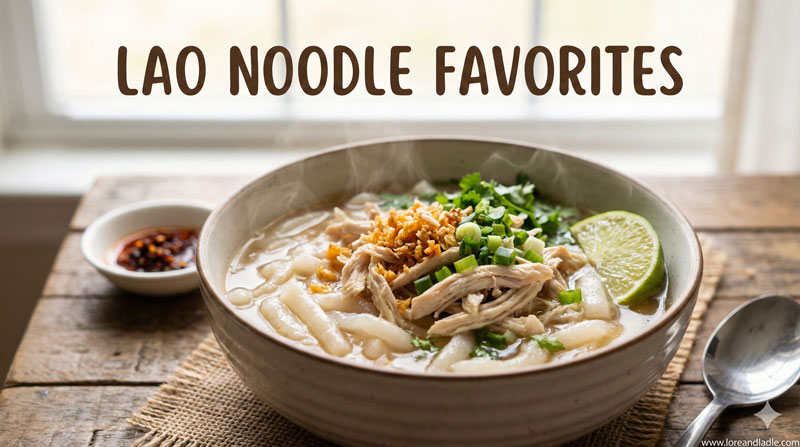
Simple Weeknight Lao Noodle Favorites with Minimal Ingredients offers more than a quick meal. It is a doorway to Lao cooking once lived daily in homes and markets. The dish celebrates bright balance, fresh herbs, and easy technique. It shows how a few ingredients can carry a culture’s warmth from stove to table.
A Window into Lao Noodle Traditions
Noodles appear in Lao kitchens as a convenient, comforting format. They invite family and friends to gather around a single bowl or two. In Lao cuisine, brightness and balance guide every plate. This dish mirrors that principle: simple components come together to sing with clarity. The result is a bowl that feels both familiar and distinct, rooted in everyday life.
Core Flavors and Minimal Ingredients
The beauty of this dish lies in how few pieces can create depth. Key elements typically include rice noodles, a savory-sour backbone such as fish sauce and lime, garlic or shallots for aroma, and a touch of chili for warmth. Fresh herbs—such as cilantro, mint, and scallions—finish the bowl with a lively lift. The interplay of salty, tart, and herbal notes embodies Lao taste philosophy: quick, clean flavors that invite you to taste each component. With minimal ingredients, technique and timing become the heroes, letting each element shine.
How Simple Weeknight Lao Noodle Favorites Are Built
This dish comes together in gentle, purposeful steps. First, you soften or briefly blanch the noodles so they stay chewy and bright. Next, you bloom aromatics in a hot pan to release fragrance without overpowering the noodles. Then you toss the noodles with a bright dressing built from fish sauce, lime juice, a hint of sugar, and chopped garlic or shallots. Finally, you fold in fresh herbs and a sprinkle of crunch from nuts or seeds. The result is a bowl that speaks of care, speed, and the joy of Home Cooking. The technique honors Lao precision: temperature control, fresh ingredients, and a quick finish that preserves aroma and texture.
Cultural Value in Everyday Lao Life
Food is a quiet center of daily life in Lao communities. A simple noodle dish like this becomes a shared space where conversations flow as freely as the flavors. It fits well with busy weeknights, yet it also carries the generous spirit of Lao dining—everyone can contribute a topping, a squeeze of lime, or a handful of herbs. Markets and home kitchens alike celebrate the practice of transforming few ingredients into something comforting. The dish supports a practical approach to cooking: speed, clarity, and seasonality. It encourages mindful eating, where each bite reveals balance rather than complexity. This balance is a small celebration of Lao culinary identity—the love of freshness, the joy of gathering, and the artistry of restraint.
Pairings, Textures, and Serving Moments
The bowl invites light accompaniments rather than heavy sides. A crisp cucumber and tomato salad can echo the dish’s brightness without competing with it. A simple green tea or lime-fizz drink can complement the citrus notes. The texture matters as much as the taste: chewy noodles, crisp herbs, and a gentle coat of sauce create a satisfying contrast. Serving the dish in communal bowls reinforces togetherness and shared flavor experiences, a hallmark of Lao dining culture.
A Simple Weeknight Routine with Lasting Impact
What makes this dish particularly meaningful is its ability to fit into routine without dulling its value. It offers consistency: the same bright flavors, the same quick process, the same opportunity to connect with family. Yet it remains flexible: swap herbs, adjust heat, or add a favorite topping to reflect the day’s mood. Over time, these small choices become a personal tradition, shaping how a family experiences Lao flavors in their everyday life. In this way, the dish extends beyond nourishment to become a ritual of care and connection.
Final Thoughts
Simple Weeknight Lao Noodle Favorites with Minimal Ingredients stands as a tasteful example of how culture can thrive in everyday cooking. It honors Lao culinary principles—clarity, balance, and freshness—while welcoming home cooks to participate with ease. The dish is a gentle reminder that powerful flavors do not require complexity; they arise from careful technique, quality ingredients, and a shared table. For anyone curious about Lao food, this bowl offers a welcoming entry point that is both respectful of tradition and inviting to practice at Home.