
Introduction
One-Pot Lao Rice & Sticky Rice Dishes Ideas with Less Cleanup invites readers into a gentle, comforting corner of Lao food culture. This approach honors the central role of rice while celebrating practical creativity in the kitchen. It highlights how a single pot can carry a family meal from stove to table with grace, aroma, and a sense of shared care. The idea is simple: savor the beauty of Lao flavors, reduce cleanup, and elevate everyday cooking into a small ceremony of nourishment and connection.
The Cultural Core of Lao Rice
In Lao cuisine, rice is the heartbeat of the table. The staple khao niaw, or sticky rice, shapes how meals unfold. Diners gather around a pot or basket, pick up grains with the fingers, and dip morsels into sauces and herbs. This practice mirrors a broader value: food is a shared experience, not a solitary act. Rice ties together farmers, markets, cooks, and families across the day. The one-pot concept fits naturally, because Lao meals often combine grains with a few fresh ingredients to create harmony in a single, comforting bowl.
One-Pot Cooking as a Lao Kitchen Principle
One-pot methods align with Lao culinary wisdom: let the flavors mingle, then finish with bright greens and citrus notes. A single pot concentrates the aroma of garlic, lemongrass, herbs, and fish sauce, while keeping textures intact. The process emphasizes balance and flow—soft steam, lively sauces, and the satisfying contrast between tender rice and crisp vegetables. This approach also respects time and space in the kitchen, making flavorful meals achievable without lengthy cleanup or multiple pans. The result is a respectful, approachable way to honor Lao taste and technique.
The Sticky Rice: Texture, Technique, and Taverns of Taste
Sticky rice is more than texture; it is a cultural language. Its glue-like grain carries sauces, picks up herbs, and offers a comforting chew. The technique—steaming and handling with care—creates a cohesive bite that welcomes the hands and the palate. In the Lao table, sticky rice acts as a universal utensil and a unifying element. A one-pot adaptation can showcase this texture by layering rice with broths, vegetables, and proteins, letting each component contribute aroma and depth while the rice remains the central, unifying thread.
Flavor Harmony: Fish Sauce, Herbs, and Fresh Heat
Lao flavors lean into balance: salty from fish sauce, bright and sour from lime or tamarind, and lively heat from chilies. Fresh herbs—mint, cilantro, dill in some dishes, and Thai basil—join the mix for complexity and freshness. Aromatics like lemongrass, garlic, and shallots weave through the pot, while a touch of roasted rice powder can add a nutty depth. This balance is not about overpowering any single note; it is about a chorus where each ingredient supports the others. The one-pot format helps preserve this harmony, as the steam carries essential aromas to the surface where they can be enjoyed together.
Practical Beauty: Less Cleanup, More Time for Sharing
Beyond flavor, the one-pot approach carries social value. Less cleanup means more time to share stories, laugh, and coax shy moments into conversation. The act of eating from a single pot encourages a sense of togetherness and mindful consumption. In Lao homes, meals are often about community as much as cuisine. The “less cleanup” aspect supports that spirit, keeping the focus on nourishment and conversation rather than on labor. This practical beauty makes the dish idea especially inviting for both seasoned cooks and curious newcomers.
Ideas for One-Pot Lao Rice Dishes
The concept invites many expressions. Here are ideas that honor Lao rice culture while keeping cleanup to a minimum:
– One-Pot Lao Sticky Rice with Lemongrass Fish and Fresh Herbs: fragrant fish, citrus, and herbs folded into a single steaming vessel.
– One-Pot Coconut-Lemongrass Rice with Tofu and Vegetables: a creamy, bright base that celebrates plant-forward balance.
– One-Pot Lao Chicken and Sticky Rice with Dill and Lime: delicate chicken, garlicky notes, and citrus lift.
– One-Pot Mekong-Influenced Rice with Shrimp and Greens: ocean-bright flavors joined with river greens for texture.
– One-Pot Mushroom and Sticky Rice with Ginger and Lime: earthiness from mushrooms, a zing of citrus for brightness.
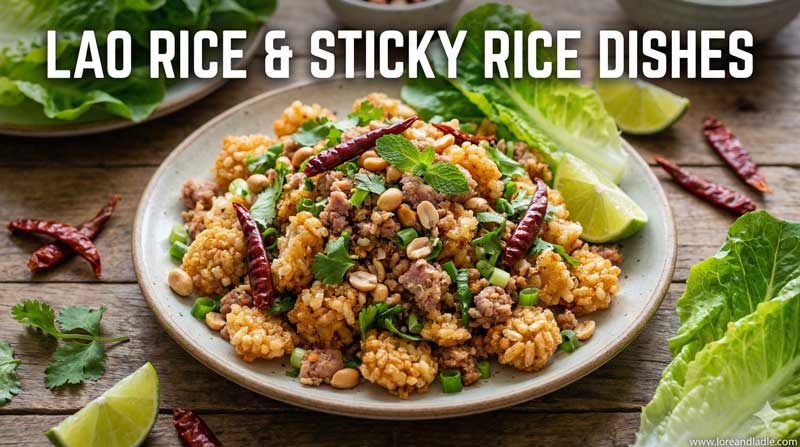
– One-Pot Spicy Beef with Sticky Rice and Fresh Herbs: a bold, comforting dish that highlights savory depth.
These ideas center on authenticity, texture, and aroma. They emphasize a single-pot method that respects Lao ingredients and regional flavors while remaining friendly to Home Cooks seeking ease and joy in the kitchen.
The Social Thread of Rice in Lao Life
Rice threads through daily life and festival alike. Market mornings, kitchen rituals, and family gatherings all echo with the presence of rice. The One-Pot Lao Rice concept mirrors that continuity: it honors the past with traditional ingredients and methods, while embracing present-day convenience. The taste journey—savoring sour, salty, spicy, and fresh notes in one pot—reflects a philosophy of balance, patience, and sharing. In every pot, the story of Lao rice culture unfolds through aroma, texture, and communal eating.
Sourcing with Respect: Fresh Ingredients and Local Markets
Quality ingredients deepen cultural resonance. Fresh herbs, ripe vegetables, and wisely chosen fish or plant proteins bring Lao flavors to life. Local markets offer aromas and colors that guide the cooking, reminding us to respect seasonal cycles. One-pot dishes shine when ingredients are at their best, letting the kitchen become a gentle workshop where each item finishes with care. This mindful approach honours farmers, fishermen, and cooks who sustain the kitchen’s memory and taste.
A Closing Reflection
One-Pot Lao Rice & Sticky Rice Dishes Ideas with Less Cleanup celebrates a cuisine that places rice at its center and hospitality at its heart. It offers a respectful lens on Lao culinary artistry—the way simple ingredients become layered, joyous meals when prepared with care and shared with others. The approach invites curiosity and reverence: explore the textures of sticky rice, the brightness of herbs, and the warmth of a pot that feeds the family and the conversation around it. In this light, Lao rice cuisine shines as a timeless dialogue between flavor, technique, and togetherness.