
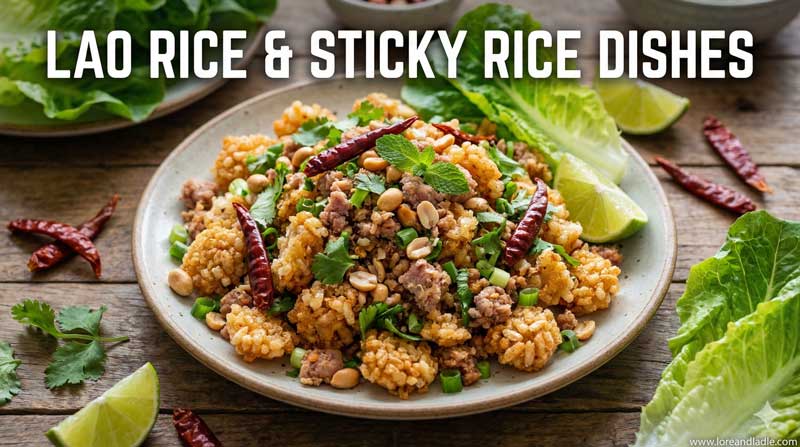
Best Takeout-Inspired Lao Rice & Sticky Rice Dishes to Recreate in the U.S.
Introduction
Lao cuisine centers on bright, balanced flavors and the comfort of sticky rice. In this guide, we celebrate the cultural value and culinary significance of Lao rice dishes—especially those inspired by takeout favorites—and show how to recreate them in a home kitchen in the United States. Each dish honors practice and tradition while inviting modern home cooks to savor the texture, aroma, and harmony that define Lao dining. The focus stays on the beauty of the food, its techniques, and the shared joy of a meal.
The Heart of Lao Rice: Sticky Rice as Cultural Core
Sticky rice, or khao niaow, is more than a staple. It is a texture that carries memory, care, and community. The grains are steamed to a delicate chew, then shaped into small portions to be picked up with fingers. This eating style invites conversation and slow savoring. In Lao meals, sticky rice anchors plates of grilled meat, herbal salads, and tangy jeow dips. Its softness contrasts with crisp vegetables and bright sauces, creating a rhythm that many Lao households love. When you recreate sticky rice at Home, you honor a long tradition of precise steaming, careful washing, and gentle handling. The result is a fragrant, cloudlike grain that carries the soul of Lao dining into a modern kitchen.
Takeout-Inspired Dishes to Recreate in the U.S.
These ideas bring takeout flavors into home kitchens while preserving Lao culinary principles.
-
Sticky Rice with Grilled Lemongrass Chicken and Jeow
The marinade blends lemongrass, garlic, and fish sauce. Serve with warm sticky rice and a bright, chili-spiked jeow for dipping. This pairing highlights the harmony of smoky meat, herbaceous brightness, and a tangy bite. -
Larb with Sticky Rice
Use minced pork or beef, bright lime, fish sauce, mint, cilantro, and toasted rice powder. The dish is iconic in Lao cuisine, and pairing it with sticky rice emphasizes texture and balance. It’s a meal that feels both casual and celebratory. -
Mango and Sticky Rice Fusion
A Lao-leaning mango sticky rice dessert or side can appear in takeout-inspired settings. The ripe mango, coconut milk, and warm sticky rice create a sweet, fragrant finale that honors Lao dessert traditions while appealing to contemporary palates. -
Jeow and Grilled Pork Platter
A plate featuring a bold Lao chili paste (jeow) alongside slices of grilled pork offers a lively, shareable dining experience. The jeow provides heat and depth, while the meat adds a smoky, satisfying element, all balanced by sticky rice. -
Fresh Herb Salads with Rice
Include dill, mint, cilantro, and lime in a crisp herb salad served with warm sticky rice and grilled proteins. The herbs brighten the plate and echo Lao emphasis on fresh, high-impact flavors.
Flavor Profiles and Techniques
Lao dishes thrive on contrast and clarity. The key flavors are sour, salty, spicy, and herbal, layered with a gentle sweetness from palm sugar or ripe fruit. Techniques to master include:
– Proper steam for sticky rice: rinse, soak briefly, then steam until the grains cling softly but hold shape.
– Balance in larb-style salads: adjust lime juice, fish sauce, and chili to achieve a bright, clean finish.
– Dipping sauces: jeow pastes bring heat and vibrancy; use fresh chilies, garlic, and herbs to brighten the plate.
– Grilling for aroma: a quick, high-heat sear on meat or skewers enhances smoky depth that pairs beautifully with rice.
Tools and Home Techniques
Create an authentic Lao texture with practical gear and methods:
– A simple steamer or a rice cooker with a steam tray works well for sticky rice.
– A bamboo steamer basket can emulate traditional aroma and texture; place a clean cloth to prevent sticking.
– A sharp knife and a wooden spoon help with delicate chopping of herbs and refilling textures without crushing leaves.
– Soak and rinse rice properly to ensure the grains remain distinct after steaming.
– Prepare jeow and herb mixtures in advance to keep flavors fresh and vibrant when you serve.
Cultural Value and Culinary Significance
Lao rice dishes celebrate sharing, family, and hospitality. Sticky rice invites communal eating, where guests gather around a central platter or baskets and portions are passed around with care. The ritual of dipping pieces into jeow, or pinching a bite of aromatic meat, embodies a slow, attentive dining style. Cooking Lao-inspired dishes at home can strengthen appreciation for fresh herbs, purposeful seasoning, and the elegance of simple ingredients elevated by technique. The dishes emphasize seasonality, balance, and the joy of a well-composed plate that honors farmers, fishers, and small producers who bring the ingredients to your table. In this light, these takeout-inspired dishes become more than meals; they are edible stories of flavor, practice, and community.
Final Thoughts: Celebrating Lao Rice Traditions at Home
Recreating Best Takeout-Inspired Lao Rice & Sticky Rice Dishes in the U.S. is a opportunity to honor a rich rice culture, savor vibrant flavors, and enjoy the artistry of Lao cooking. By focusing on sticky rice’s texture, the balance of sour-salty-spicy-herbal notes, and the joy of shared dining, home cooks can experience Lao culinary significance in a welcoming setting. Embrace the process, respect the ingredients, and let each plate tell its own gentle, delicious story.