
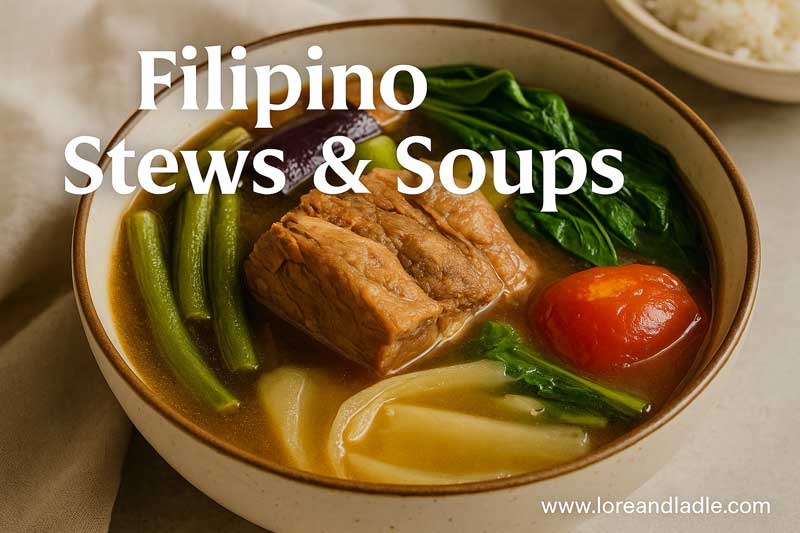
The Hook
On a quiet Saturday afternoon, a pot of bulalo bubbles softly on the stove. The kitchen fills with a warm, beefy aroma, and the family gathers with bowls and rice. Why Bulalo Is a Must-Try Filipino Dish in the U.S. feels perfectly at Home in that moment—a dish built for comfort, easy sharing, and everyday joy.
Jump to Recipe
Why bulalo works well in the U.S. kitchens is simple: it uses familiar ideas—beef, corn, potatoes, greens—brought together in a clear, comforting broth. The core idea is straightforward: simmer beef shank bones with marrow until the broth is flavorful and the meat is tender, then finish with vegetables and a gentle seasoning.
- Core ingredients you’ll commonly find: beef shank bones or bone-in shanks, bone marrow for richness, corn on the cob, potatoes, onion, leafy greens such as bok choy or pechay, water, salt, pepper, and a splash of fish sauce. Optional touches include garlic, peppercorns, and calamansi or lime on the side.
- High-level method: simmer the bones to extract flavor and marrow, skim lightly, add the vegetables, season to taste, and serve hot with steamed white rice. The idea is steady, gentle cooking that yields a clear, flavorful broth and tender meat.
The Deep Dive
Why Bulalo Is a Must-Try Filipino Dish in the U.S. centers on culture, flavor, and everyday life. It is a dish built for sharing and for meals that feel welcoming and unhurried.
- Cultural value in daily life: In many Filipino homes and in local Filipino restaurants across the U.S., bulalo appears as a weekend staple and a crowd-pleaser. It invites people to gather, talk, and enjoy a slow-filled meal together. The act of breaking bread, or rather breaking meat, becomes a small ritual of care and connection.
- Flavors and textures: The broth feels light at first, then grows rich from the marrow. Tender beef shank meets sweet corn and soft potatoes. Leafy greens provide a fresh counterpoint, while a splash of fish sauce adds a salty, comforting depth. The texture mix—meaty, creamy marrow, crisp corn, and soft vegetables—creates a satisfying bite every time.
- Key characteristics: A clear, fragrant broth; visible marrow in the bones; generous meat and vegetables; a balance of sweetness from corn and savoriness from the fish sauce and pepper. The dish carries a homey aroma and a simple, inviting color.
- Occasions and ways people enjoy it: It appears at casual family dinners, weekend gatherings, and small celebrations. People often serve bulalo with white rice, lime or calamansi on the side, and sometimes a light dipping sauce. It works as a main course for sharing and as a comforting dish on cooler days.
- Non-political traditions: The experience centers on generosity and conversation. People spoon marrow for others, pass bowls around, and adjust seasoning at the table. Some households add a squeeze of calamansi for brightness, while others prefer a straightforward, savory finish. These are gentle rituals that emphasize warmth and togetherness.
- In the U.S. context: Filipino markets and restaurants in cities with strong communities showcase bulalo, keeping its flavors accessible to many. The dish adapts to local ingredients while maintaining its core identity—meat, marrow, corn, greens, and a clear, soothing broth.
The Recipe Card
Why Bulalo Is a Must-Try Filipino Dish in the U.S. is expressed here in a compact, practical way.
Core ingredients:
– Beef shank or bone-in beef cuts with marrow
– Bone marrow (optional, for richness)
– Corn on the cob, cut into chunks
– Potatoes, peeled or left whole
– Onion, thickly sliced
– Leafy greens (bok choy or pechay)
– Water
– Salt and pepper
– Fish sauce (adjustable to taste)
– Optional: garlic, whole peppercorns, calamansi or lime for serving
High-level method:
– Simmer beef and marrow in water to build a clear, flavorful broth. Add onion and optional aromatics to develop depth. Add corn and potatoes, cooking until the vegetables are tender. Season gently with salt, pepper, and a splash of fish sauce. Finish with leafy greens just before serving. Serve with steamed white rice and a squeeze of calamansi if desired.
Why Bulalo Is a Must-Try Filipino Dish in the U.S.: this dish shines in its simplicity and its warmth. It invites conversation, slows the pace of a meal, and offers a balanced tasting experience—meat, marrow, sweetness from corn, and a bright finish from greens. It is easy to adapt with local ingredients, yet it preserves a classic profile that many households treasure. If you are curious about Filipino flavors, this dish provides a clear, friendly first encounter and a comforting, memorable meal.